Call Us!
Men seeking help for sexual dysfunction are increasingly aware that a single hormone, pill, or pathway do not manage sexual health. Libido, arousal, erection quality, emotional connection, and sexual performance are influenced by a complex interaction between the hormonal system, the central nervous system, blood flow, and psychosocial factors.
For many patients, traditional treatments for erectile dysfunction, such as Sildenafil or Tadalafil, address blood flow but leave other aspects of sexual wellness unresolved. Others begin testosterone therapy or Testosterone Replacement Therapy to treat low testosterone, only to find that sexual desire or arousal stays inconsistent despite improved levels.
This has led to growing interest in whether PT-141, also known as PT 141 or Bremelanotide (brand name Vyleesi), can be combined with testosterone or other hormone replacement therapies. Unlike medications that act on the vascular system, PT-141 is a peptide therapy and melanocortin receptor agonist that influences brain anatomy and targets sexual arousal and desire at their source.
In this article, we’ll explore how PT-141 and testosterone act differently to treat male sexual dysfunction and why they may complement each other under physician-led care as part of a personalized treatment program.
Why Men Ask About Combining PT-141 and Testosterone
Questions about combining PT-141 and testosterone often arise from real-world clinical scenarios rather than curiosity alone. Many men arrive at treatment after trying multiple therapies, only to experience partial improvement.
Common situations include:
- Testosterone therapy improves vitality and mood, but libido remains low
- Erectile dysfunction medications, mainly PDE5 inhibitors, improve erection quality, but sexual arousal feels muted
- Hormone levels are “normal,” yet sexual desire and performance feel disconnected
- Intimacy feels mechanical rather than emotionally engaged
These experiences highlight an important clinical reality: sexual dysfunction rarely has a single cause.
Sexual Dysfunction Is Not One Problem
Sexual desire, arousal, and erection are governed by different biological systems:
- Hormones such as testosterone and estrogen influence baseline libido and sexual readiness
- Neurotransmitters like dopamine and oxytocin regulate motivation, pleasure, and emotional connection
- The hypothalamus integrates hormonal and neural signals related to sexual behavior
- Blood flow and nitric oxide signaling enable physical erections
A man may have low testosterone affecting libido, neurobiological causes dampening arousal, or vascular issues affecting erections, or all three at once. Treating only one layer often leaves symptoms unresolved.
The Limits of Single-Therapy Approaches
Testosterone Replacement Therapy plays an important role in men with documented low testosterone, but it is not a universal solution. Many patients with optimized testosterone levels continue to report low libido or reduced sexual response. Similarly, PDE5 inhibitors such as Cialis (tadalafil) or Viagra (sildenafil) improve blood flow but rely on intact sexual arousal signals from the central nervous system to be effective.
This gap has led clinicians and patients to explore therapies that work upstream of blood flow and hormones, particularly those that act directly on the nervous system and neural pathways involved in sexual arousal.
What Is PT-141 (Bremelanotide) and How Does It Work?
PT-141, also known as Bremelanotide, is a synthetic peptide derived from Melanotan 2 originally developed through research into melanocortin biology. It is marketed under the brand name Vyleesi and is FDA-approved for the treatment of Hypoactive Sexual Desire Disorder in women. In clinical practice, PT-141 is also prescribed off-label for men under physician supervision as part of peptide therapy for sexual dysfunction.
Unlike traditional erectile dysfunction medications, PT-141 does not act on blood vessels or nitric oxide pathways. Instead, it works at the level of the brain and central nervous system, where sexual desire and arousal originate.
The Melanocortin System and Sexual Arousal
Bremelanotide is classified as a melanocortin receptor agonist. It primarily activates the MC1R and MC4R melanocortin receptors (or melanotropin receptors) within the hypothalamus, a region of the brain that integrates hormonal signals, neural pathways, and neurotransmitters related to sexual behavior.
The MC1R and MC4R receptors play a role in:
- Sexual arousal and sexual desire
- Motivation and reward signaling
- Autonomic nervous system regulation
PT-141 enhances neural signaling involved in sexual response, a process that is independent of blood flow, penile tissue health, or vascular integrity, which explains why Bremelanotide can influence arousal even in men with erectile dysfunction, and not just treat women for Hypoactive Sexual Desire Disorder.
Central Nervous System Activation vs Blood Flow
Most PDE5 inhibitor medications for erectile dysfunction target peripheral mechanisms, such as increasing blood flow to support an erection. PT-141 works beyond these processes by activating the central nervous system and neural pathways involved in arousal.
This distinction is clinically important. Sexual arousal begins in the brain, driven by neurotransmitters such as dopamine and oxytocin. When these signals are weak or disrupted, due to stress, hormonal imbalance, or neurobiological causes, physical response may not follow, even if blood flow is adequate.
That’s how PT-141 may help initiate a more natural sexual response, which can then be supported by other therapies when needed.
Administration and Use in Clinical Practice
PT-141 is typically administered as a subcutaneous injection using a small needle. It is used on an as-needed basis rather than as a daily medication. The onset of effects commonly occurs within 45 to 60 minutes.
Earlier formulations of PT-141 were studied intranasally, but injectable delivery has proven more consistent in clinical settings. Because Bremelanotide influences the nervous system and blood pressure, dosing and frequency should always be determined within a physician-led care model.
What Is Testosterone and HRT, and What Do They Treat?
Testosterone is a primary sex hormone in men and a central component of the hormonal system that regulates sexual health, energy, mood, muscle mass, and metabolic function. When testosterone levels decline, men may experience a wide range of symptoms, including sexual dysfunction.
Hormone Replacement Therapy, often referred to as testosterone therapy or Testosterone Replacement Therapy, is used to restore testosterone levels in men with clinically diagnosed low testosterone.
The Role of Testosterone in Male Sexual Health
Testosterone influences sexual function in several ways:
- Supports baseline libido and sexual desire
- Maintains erectile tissue health
- Contributes to nitric oxide signaling and blood flow
- Affects mood, motivation, and overall sexual performance
Low testosterone can contribute to erectile dysfunction, reduced libido, and diminished sexual wellness. In these cases, hormone therapy can significantly improve symptoms over time.
Testosterone Is Foundational, Not a Trigger
While testosterone is essential for sexual health, it does not directly trigger sexual arousal in the moment. Its effects are gradual and systemic, helping establish the hormonal environment necessary for sexual response rather than initiating arousal itself.
This explains why some men experience improved energy and mood on testosterone therapy but continue to report muted arousal or inconsistent sexual performance. Hormone levels may be adequate, but neural signaling involved in arousal may remain underactive.
HRT in the Broader Context of Sexual Wellness
Hormone replacement therapies are also used in women, particularly in menopause and menopausal health, to address changes in estrogen and sexual desire. This parallel highlights an important concept: hormones influence readiness and baseline desire, but they are not the sole drivers of arousal or intimacy. That is why Bremelanotide has become a crucial treatment tool for Hypoactive Sexual Desire Disorder in women.
The same is, increasingly, being understood for men; testosterone therapy works best when integrated into a broader, personalized plan that considers nervous system function, emotional connection, and psychosocial factors, areas where therapies like PT-141 may play a complementary role.
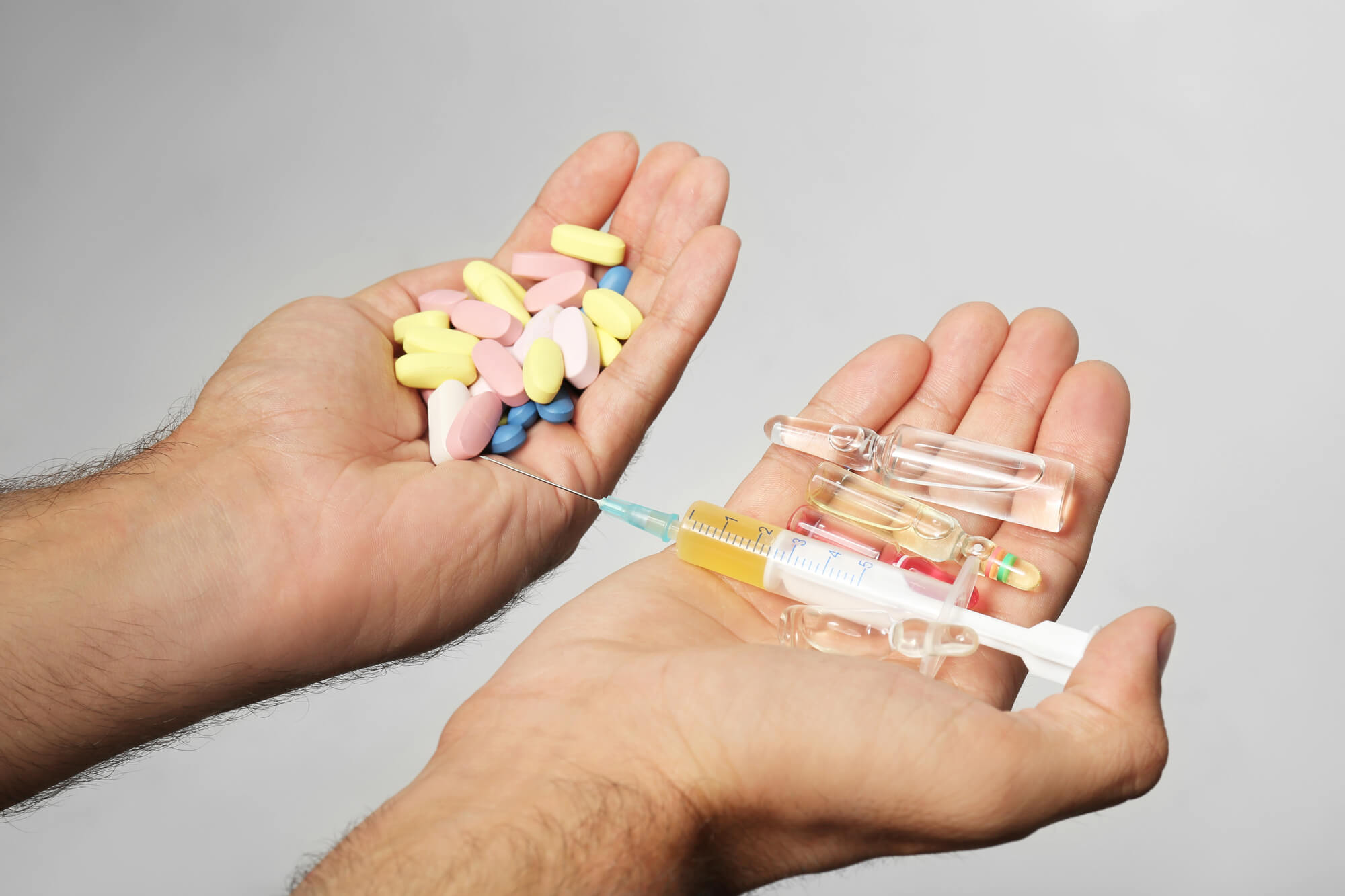
Can PT-141 and Testosterone Be Used Together, and How Do They Complement Each Other?
Yes, PT-141 and testosterone (or HRT) can be used together when medically appropriate, and in many cases, they address different but complementary layers of male sexual dysfunction.
One of the most common misconceptions in men’s sexual health is that optimizing testosterone alone should fully restore libido, arousal, and sexual performance. While testosterone plays a critical foundational role, sexual function is not governed by hormones alone. Neurochemical signaling in the brain, particularly pathways involved in sexual arousal and response, also plays a central role.
Bremelanotide and testosterone are not redundant therapies. Instead, they work through distinct mechanisms that can complement each other when used under physician supervision.
Libido vs. Arousal vs. Erection — Why All Three Matter
When creating personalized treatment plans for men using testosterone and Bremelanotide, distinguishing between the three related but separate components of sexual function is a crucial first step:
- Libido: Background sexual desire influenced by hormones, mood, psychology, and health
- Arousal: Moment-to-moment activation driven by the central nervous system and neurochemical signaling
- Erection: Physical response dependent on blood flow, vascular health, and penile tissue
When these components are addressed together — rather than in isolation — men often report improved intimacy, more natural sexual response, and greater satisfaction.
Different Mechanisms, Different Roles in Sexual Function
Let’s now recap how testosterone and PT-141 act on different systems involved in sexual health:
- Testosterone / HRT
- Establishes baseline sexual desire and hormonal readiness
- Supports erectile tissue health and nitric oxide signaling
- Influences mood, vitality, and long-term sexual interest
- Works gradually and systemically over time
- PT-141 (Bremelanotide)
- Acts acutely on the nervous system
- Stimulates melanocortin receptors involved in sexual arousal in both women and men
- Enhances moment-to-moment sexual response
- Does not rely on blood flow or erectile pathways to initiate arousal
Because of this separation, a man can have well-managed testosterone levels and still experience low libido, muted arousal, or poor sexual responsiveness.
When Combination Therapy Makes Clinical Sense
Therefore, using Bremelanotide alongside testosterone or HRT may be considered when:
- A patient is already on testosterone therapy, but continues to experience low libido
- Hormone levels are optimized, yet sexual desire or arousal remains diminished
- Erectile dysfunction treatment with medications like sildenafil improves erections but not sexual interest or satisfaction.
- Sexual dysfunction involves both hormonal and neurological components
This scenario is particularly common in men who describe feeling “physically capable but mentally disconnected” from intimacy. In these cases, adding a peptide therapy that targets sexual arousal at the brain level may improve overall sexual experience without altering hormone dosing.
Safety Considerations When Combining PT-141 and Testosterone
Whenever therapies affecting the hormonal system and central nervous system are used together, safety and medical oversight are crucial. PT-141 and testosterone influence different biological pathways, but both can have systemic effects that should be evaluated carefully before combination use.
Cardiovascular and Blood Pressure Considerations
PT-141 (Vyleesi) does not act directly on blood vessels like PDE5 inhibitors, but it can cause temporary increases in blood pressure in some patients. This effect is related to its action on the nervous system and hypothalamic signaling rather than nitric oxide–mediated blood flow. The nasal spray delivery method of Vyleesi was also found to increase the risk of elevated blood pressure in some women.
Testosterone therapy can also influence cardiovascular parameters indirectly by affecting red blood cell production, lipid metabolism, and vascular tone. When therapies are combined, clinicians typically evaluate:
- Baseline blood pressure
- Cardiovascular history
- Current medications
- Risk factors such as diabetes or metabolic syndrome
Men with uncontrolled hypertension or significant cardiovascular disease may not be candidates for PT-141 or may require additional monitoring.
Hormone Monitoring and Long-Term Oversight
Testosterone Replacement Therapy requires routine monitoring to ensure safety and effectiveness. This typically includes tracking:
- Testosterone levels
- Hematocrit and hemoglobin
- Prostate-specific antigen (PSA)
- Lipid profiles
PT-141 does not directly alter testosterone levels, estrogen levels, or other reproductive hormones. However, when used alongside hormone therapy, ongoing physician-led care ensures that symptoms are improving without unintended side effects.
Nervous System and Medication Interactions
Because PT-141 acts on neural pathways and neurotransmitters involved in sexual arousal, it should be prescribed with awareness of other medications that influence the nervous system. This includes certain antidepressants, blood pressure medications, and agents that affect dopamine signaling.
Using PT-141 within a personalized plan helps minimize risks while optimizing sexual wellness outcomes.
How PT-141 Is Used Alongside HRT in Clinical Practice
In real-world clinical settings, PT-141 is not used as a replacement for hormone therapy, nor is it automatically added to testosterone treatment. Instead, it is considered when symptoms suggest that hormonal optimization alone has not fully addressed sexual dysfunction.
PT-141 as an On-Demand Therapy
PT-141 is typically prescribed as an on-demand medication rather than a daily therapy. It is administered via subcutaneous injection, with a small needle, and usually 45 to 60 minutes before anticipated sexual activity.
It’s designed to enhance sexual arousal and response on the day a patient wants to increase their sexual arousal or even lower their performance anxiety.
This approach allows testosterone therapy to manage baseline hormonal health while PT-141 supports situational arousal and intimacy.
Integrating PT-141 Into a Personalized Plan
When used alongside testosterone therapy, Bremelanotide is integrated into a broader treatment strategy that may also include lifestyle optimization, counseling for psychosocial factors, and other sexual health interventions.
In some practices, additional therapies such as oxytocin, the Orgasm Shot (in the case of women), Intra-cavernous Pharmacotherapy (for men), or other injections aimed at tissue health may be discussed. These options address different aspects of sexual wellness and are evaluated on an individual basis.
Evaluating Response and Adjusting Treatment
Response to combination therapy is assessed over time, focusing on:
- Changes in libido and sexual desire
- Quality of sexual arousal and response
- Satisfaction with intimacy and performance
- Tolerance and side effects
Because sexual dysfunction often evolves, treatment plans are adjusted as needed. This ongoing, physician-led approach helps ensure that therapies such as PT-141 and testosterone are used safely, effectively, and in alignment with patient goals.
Who May Benefit Most from PT-141 and Testosterone Together
Not every man with sexual dysfunction requires combination therapy. However, certain clinical patterns suggest that using PT-141 alongside testosterone or other hormone replacement therapies may be particularly beneficial.
Men with Low Libido Despite Optimized Testosterone
One of the most common candidates for combination therapy is the man who has already addressed low testosterone through Testosterone Replacement Therapy but continues to experience low libido or muted sexual arousal.
This pattern suggests that while the hormonal system has been optimized, neural pathways involved in arousal and sexual response may still be underactive. PT-141 may help stimulate these central mechanisms.
Men with Mixed Sexual Dysfunction
Many patients experience sexual dysfunction that does not fit neatly into a single category. They may report:
- Erectile dysfunction is partially responsive to phosphodiesterase type 5 inhibitors (Viagra, Cialis, etc.)
- Reduced sexual desire or motivation
- Difficulty sustaining arousal
- Decreased emotional connection during intimacy
Because testosterone, PT-141, blood flow, and neurotransmitters all influence different aspects of sexual wellness, a layered approach may be more effective than relying on a single medication.
Men Focused on Intimacy and Sexual Satisfaction
Some men are less concerned with erection firmness alone and more focused on restoring desire, arousal, and intimacy. For these patients, addressing the brain anatomy components of sexual response can be as important as treating physical erectile issues.

Why a Personalized Medical Approach Matters
Sexual health therapies are often marketed as simple solutions, but real-world clinical care is rarely one-size-fits-all. Combining PT-141 with testosterone or other therapies requires careful evaluation, diagnosis, and follow-up.
Avoiding “Stacking” Without Strategy
Using multiple medications without a clear clinical rationale can lead to suboptimal results or unnecessary risk. Hormone therapy, peptide therapy, and erectile dysfunction treatments each affect different systems. Without proper oversight, symptoms may persist, or side effects may increase.
A personalized approach ensures that each therapy serves a specific purpose within an integrated plan.
Boston Medical Group’s Physician-Led Combination Therapy Approach
Boston Medical Group approaches sexual dysfunction through comprehensive, physician-led care that looks beyond symptoms alone. When PT-141 is considered, it is evaluated in the context of the patient’s hormonal profile, nervous system function, vascular health, and psychosocial factors.
Combination therapies at Boston Medical Group may involve:
- Testosterone Replacement Therapy for low testosterone
- PT-141 to address sexual arousal and desire through the central nervous system
- Oral medications such as Cialis or Tadalafil for blood flow support
- Injection-based therapies, when appropriate
- Adjunct options such as oxytocin or regenerative-focused treatments like the O-Shot or Orgasm Shot in select cases
These therapies are not “bundled” automatically. Each is selected intentionally based on medical need and patient goals.
Ongoing Monitoring and Adjustment
Sexual health evolves over time, especially as men age or experience changes in health. Boston Medical Group emphasizes ongoing monitoring, adjustment of therapy, and patient education to ensure that treatments remain safe, effective, and aligned with expectations.
This model prioritizes outcomes such as sexual wellness, satisfaction, and quality of life, not just laboratory numbers.