Call Us!
Despite its bad reputation in much of the health industry, cholesterol plays an important and positive role in the body. But it’s when levels of cholesterol become too high that it can increase the risk of serious health problems.
Including problems with sexual health.
Elevated cholesterol, especially LDL cholesterol, is strongly associated with heart disease and can contribute to atherosclerosis, a condition in which plaque builds up in arteries and restricts blood flow. That is why doctors often evaluate total cholesterol and plasma total cholesterol levels when assessing cardiovascular health and risk factors for heart disease.
The restrictions on blood flow can increase the risk of heart attack and stroke, but they may also impact other aspects of health, like sexual function.
Diet plays a major role in cholesterol levels. A low-cholesterol diet that emphasizes lean proteins, healthy fats, and soluble fiber can help reduce the “bad cholesterol” and improve overall cardiovascular health. However, many men balk at the idea of having to take out meats or animal products from their diets after being told they have high cholesterol.
There’s no need to panic. In this guide, we’ll explore the importance of choosing dietary patterns recommended by experts and organizations like the American Heart Association, which support heart health through balanced nutrition and reduced intake of saturated fats, while allowing men to continue enjoying meat.
Instead, the goal is to choose meats low in cholesterol and saturated fats, pay attention to portion sizes, and combine them with other heart-healthy foods.
What Cholesterol Does in the Body
Cholesterol is a waxy substance that the body uses to build cell membranes and produce certain hormones. The brain and nervous system also rely on cholesterol for normal function. However, too much cholesterol in the bloodstream can become a health problem.
Cholesterol travels through the blood attached to lipoproteins. Two of the most important types include:
- LDL cholesterol (low-density lipoprotein) – contributes to plaque buildup in arteries
- HDL cholesterol (high-density lipoprotein) – helps remove excess cholesterol from the bloodstream
When LDL cholesterol becomes elevated, it can accumulate in artery walls and gradually form plaque. This process contributes to atherosclerosis, which narrows arteries and reduces blood flow.
Doctors often evaluate several measurements when assessing cholesterol health, including:
- Total cholesterol
- LDL cholesterol
- HDL cholesterol
- plasma total cholesterol
If these numbers rise too high, the risk of heart disease increases.
Risk Factors for High Cholesterol
Many factors can influence cholesterol levels. Some risk factors are genetic, while others are lifestyle- and diet-related.
Common risk factors include:
- diets high in trans fats and saturated fats
- excessive consumption of processed foods and processed meats
- lack of physical activity
- smoking
- excessive alcohol consumption
- obesity or insulin resistance
In some cases, cholesterol levels remain high despite lifestyle changes simply due to genetics or other medical conditions. Doctors may recommend medicines such as statins to help reduce cholesterol and prevent cardiovascular disease.
For many people, however, dietary intervention and lifestyle change can significantly improve cholesterol levels.
What Are Low-Cholesterol Meats?
Many people assume that meat must be completely avoided when trying to lower cholesterol. In reality, certain meats can still be part of a heart-healthy diet when chosen and prepared carefully.
Low cholesterol meats are typically:
- lower in saturated fats
- minimally processed
- consumed in moderate portions
Lean cuts of meat generally contain less fat and fewer calories than fattier cuts, so choosing lean options can reduce the intake of saturated fats that contribute to elevated LDL cholesterol.
Prep Is Also Key to Low Cholesterol Meat
Preparation methods also matter.
- Direct Heat over Frying: Cooking methods such as grilling, baking, broiling, or roasting can help limit added fats compared with frying foods in butter, margarine, or coconut oil, which, if you notice, is how most fast food is done.
- Choose Oil Wisely: Some cooking oils, such as olive oil and vegetable oils, contain healthier fats like monounsaturated fats and polyunsaturated fats, which may help support healthier cholesterol levels.
- Processed Should not Proceed: In contrast, foods high in trans fats or highly processed animal products should be limited. Examples include heavily processed meats, fatty sausages, and certain packaged foods made with palm oil or hydrogenated oils.
Understanding nutrition labels and dietary guidelines can help consumers identify healthier options and reduce unhealthy fats in their diet.
Low Cholesterol Meats That Can Fit Into a Healthy Diet
Choosing the right type of meat can help men maintain a balanced diet while still enjoying animal protein.
Lean meats provide essential nutrients such as protein, iron, and B vitamins without excessive amounts of saturated fat.
Lean Cuts of Beef
Beef often receives criticism in discussions about cholesterol, but lean cuts can still fit into a low-cholesterol diet when eaten in moderation.
Among the healthier, lowest cholesterol meats are:
- sirloin
- top round
- eye of round
- tenderloin
Pro tips: When purchasing ground beef, selecting lean varieties, such as 90% or 93% lean, can significantly reduce fat intake. These cuts can be used to prepare dishes like grilled beef patties or lean ground beef meals while keeping cholesterol levels in mind.
Trimming visible fat before cooking and avoiding excessive butter or margarine can further reduce saturated fat intake.
Pork Tenderloin and Other Lean Pork Options
Pork tenderloin is another meat that can be included in a heart-healthy diet. Compared with fattier pork cuts, pork tenderloin is a relatively low-cholesterol meat and provides high-quality protein.
Healthy preparation methods include:
- grilling
- roasting
- baking
- air frying
These cooking techniques help limit additional fats that could increase cholesterol levels.
Skinless Poultry
Chicken and turkey, especially when the skin is removed, are typically lower in saturated fat than many red meats.
Skinless poultry provides:
- high-quality protein
- relatively low fat content
- versatility in healthy recipes
Avoiding conventional frying and instead preparing poultry with herbs, spices, and small amounts of olive oil or vegetable oils for baking, grilling, roasting, or air frying can help maintain its nutritional benefits.
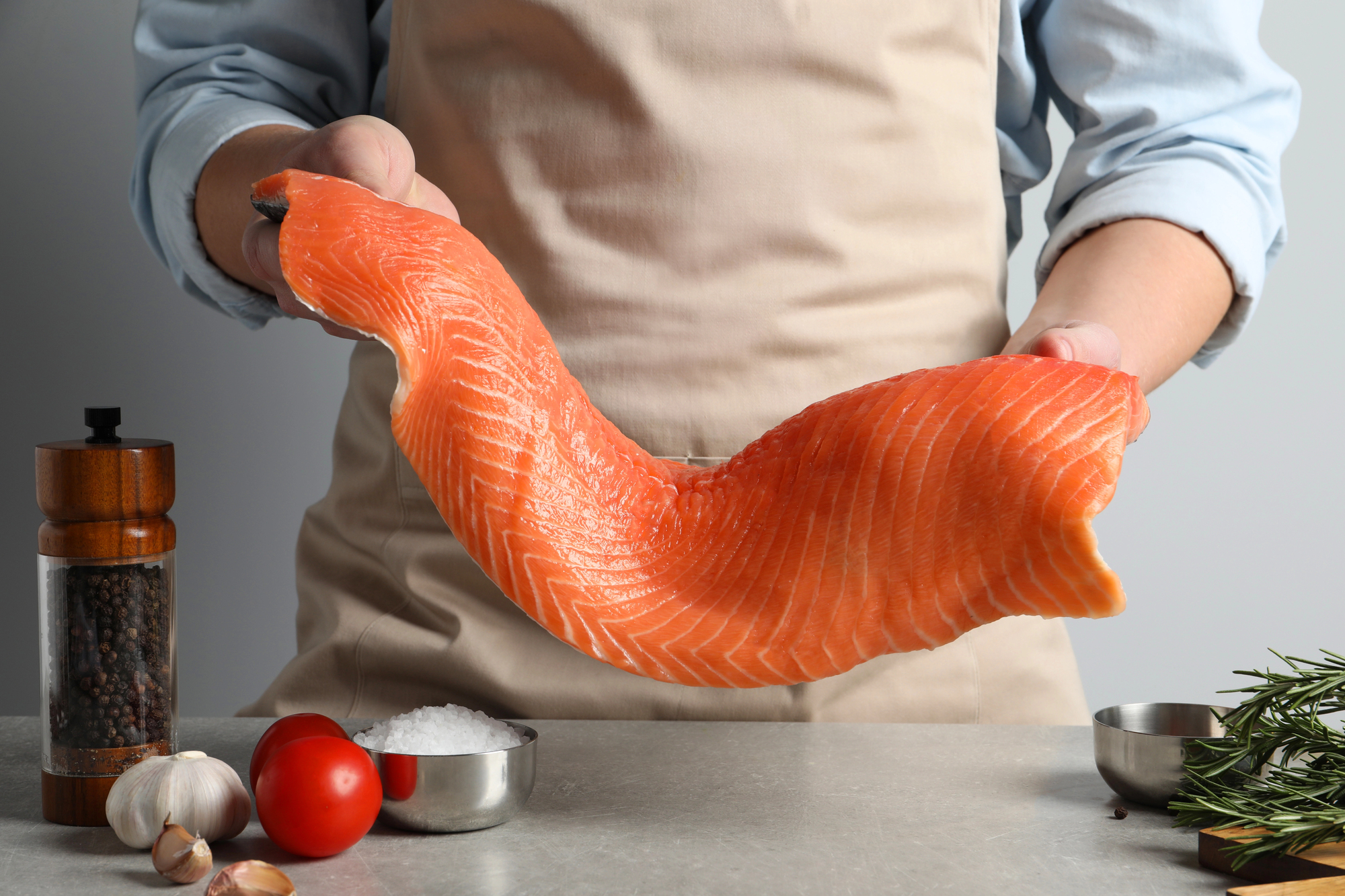
Fish Rich in Omega-3 Fatty Acids
Fish is often considered one of the healthiest animal protein options for people concerned about cholesterol. They are the most readily available, lowest cholesterol meats in most markets.
Fatty fish such as:
- salmon
- tuna
- sardines
- trout
contain beneficial omega-3 fatty acids, which may help reduce inflammation and support heart health. Omega-3 fatty acids may also help lower triglycerides and improve cholesterol balance.
The American Heart Association often recommends including fish in the diet several times per week as part of a heart-healthy eating plan.
Meats to Limit or Avoid
Examples of meats to steer clear of include:
- Processed meats: Products such as sausages and deli meats often contain high levels of saturated fats and sodium, which can negatively impact cholesterol levels.
- Fatty cuts of beef: Cuts like ribeye or prime rib are higher in saturated fat and should be limited.
- Bacon: We know it’s a tough one to quit, but bacon is known for its high saturated fat content and can contribute to higher cholesterol levels.
- Sausages: Often high in both saturated fats and cholesterol, sausages can be detrimental to cardiovascular health.
These meats not only contain saturated fats but can also include trans fats, which further elevate bad cholesterol levels (LDL) while decreasing the good kind (HDL).
For those concerned about heart health, choosing lean cuts and limiting processed meats is essential in maintaining a balanced, heart-friendly diet.
Portion Sizes for Healthy Meat Consumption
Even when choosing meats low in cholesterol, portion size still matters. There’s no point in consuming excessive daily amounts of tuna or turkey that will leave you with the same amount of cholesterol as a plate of bacon.
Consuming large portions of any animal product can increase the intake of saturated fats and calories, which may contribute to higher cholesterol levels over time.
Health experts often recommend limiting meat portions to moderate serving sizes as part of a balanced diet.
Recommended Portion Sizes for Meat
A typical healthy serving of meat is about 3 to 4 ounces, which is roughly the size of a deck of cards. This amount provides sufficient protein without excessive saturated fat.
Examples of balanced servings include:
- a small grilled sirloin steak
- a portion of pork tenderloin
- a lean ground beef patty
- a serving of grilled fish rich in omega-3 fatty acids
Keeping portions moderate allows men to enjoy meat while still maintaining a low-cholesterol diet.
Balancing Meat With Fiber-Rich Foods
Pairing lean meats with fiber-rich foods can help support healthier cholesterol levels. Fiber helps reduce LDL cholesterol by binding cholesterol in the digestive system and helping remove it from the body.
Healthy foods to include alongside meat include:
- whole grains such as oats or brown rice
- beans and legumes, including pinto beans
- vegetables and leafy greens
- high-fiber foods recommended in the Mediterranean diet or DASH eating plan
Combining lean meats with fiber-rich foods, especially soluble fiber, creates a more balanced meal and supports better cardiovascular health.
Other Foods That Help Lower Cholesterol
A healthy diet for men includes more than just choosing lean meats. Several other foods can help improve cholesterol levels and support heart health.
Healthy Fats That Support Heart Health
Not all fats are harmful. Certain fats can actually help improve cholesterol balance when used in place of saturated or trans fats.
Healthier fats include:
- olive oil
- vegetable oils such as canola oil
- foods rich in monounsaturated fats
- foods containing polyunsaturated fats
Replacing cooking fats like butter, margarine, coconut oil, or palm oil with healthier oils may help reduce LDL cholesterol.
Nuts, Seeds, and Plant-Based Nutrients
Many plant-based foods contain nutrients that support cardiovascular health. Nuts are rich in healthy fats and antioxidants that may help lower cholesterol levels.
Examples include:
- almonds
- walnuts
- pistachios
Some foods also contain plant stanols and sterols, natural compounds that can help reduce cholesterol absorption in the body.
Foods rich in antioxidants, such as fruits and even small amounts of dark chocolate, may also help support cardiovascular health by reducing inflammation.
Dairy Options in a Low-Cholesterol Diet
Dairy products can still be included in moderation when following a heart-healthy diet. Choosing lower-fat dairy options may help limit saturated fat intake.
Examples include:
- low-fat milk
- yogurt
- cottage cheese
Some people may also incorporate protein sources such as whey protein, which can be used in smoothies or nutritional shakes.
However, higher-fat dairy products, such as full-fat dairy and cheddar cheese, should be consumed in moderation because they may contain higher amounts of saturated fat.
Plant-Based Protein and Meat Alternatives
Plant-based proteins can also be part of a healthy diet aimed at lowering cholesterol.
Examples of meat alternatives include:
- tempeh
- jackfruit
- beans and legumes
These foods provide protein and fiber while generally containing less saturated fat than many animal products.