Call Us!
Question About Hypertension & ED? Get an Expert Answer.
High blood pressure, also known as hypertension, affects millions of men and is one of the leading contributors to cardiovascular disease worldwide. While many people associate hypertension with an increased risk of heart attack or stroke, fewer realize that it can also have a significant impact on sexual health. In fact, erectile dysfunction (ED) is one of the most common complications of long-term uncontrolled high blood pressure.
An erection depends on healthy blood vessels and adequate blood flow. When hypertension damages the arteries that supply the penis, achieving or maintaining an erection can become increasingly difficult. Because these arteries are much smaller than those serving the heart and other organs, changes in erectile function may appear years before other symptoms of vascular disease become noticeable.
Complicating matters further, some medications used to treat high blood pressure can contribute to erectile dysfunction in certain men. This has led many patients to wonder whether their ED is caused by hypertension itself, their medication, or a combination of both. The answer is often more complex than many people realize.
The good news is that hypertension-related erectile dysfunction is frequently manageable.
Through proper blood pressure control, healthy lifestyle changes, and individualized treatment, many men are able to improve both their cardiovascular health and their sexual performance.
In this article, we'll explain the relationship between ED and hypertension, how high blood pressure affects erections, whether blood pressure medications are always to blame, and the treatment options available to help restore healthy erectile function.
The Short Answer: Yes, Hypertension Can Cause Erectile Dysfunction
If you've been diagnosed with high blood pressure and have recently noticed changes in your erections, the two conditions may be related.
Hypertension is one of the most common vascular causes of erectile dysfunction because it gradually damages blood vessels throughout the body. Over time, persistently elevated blood pressure injures the delicate lining of the arteries, making them less flexible and less able to deliver the blood flow needed for a firm erection.
Healthy erectile function depends on the ability of blood vessels within the penis to rapidly expand during sexual arousal. As blood pressure remains elevated over months or years, the arteries become thicker, stiffer, and narrower. This limits circulation within the penile vascular bed and makes it more difficult for sufficient blood to enter and remain inside the erectile tissue.
Adding to the problem, chronic hypertension contributes to endothelial dysfunction, a condition in which the inner lining of blood vessels loses its ability to regulate normal vascular function. The endothelium plays a critical role in producing nitric oxide, a naturally occurring molecule that allows blood vessels to relax during sexual stimulation. Reduced nitric oxide production means less blood reaches the penis when it's needed most.
It's also important to understand that while some antihypertensive medications (blood pressure drugs) may contribute to erectile dysfunction in certain patients, uncontrolled arterial hypertension itself is often the greater threat to long-term erectile function.
For this reason, physicians generally recommend working with your healthcare team to manage both conditions together rather than discontinuing blood pressure medications on your own.
How Does High Blood Pressure Affect Erections?
Understanding the connection between hypertension and erectile dysfunction begins with understanding how an erection normally occurs.
Healthy Erections Depend on Healthy Blood Flow
An erection is primarily a vascular event.
During sexual stimulation, nerves release nitric oxide, which signals the smooth muscle surrounding the arteries of the penis to relax. As these blood vessels widen, blood rapidly flows into specialized erectile tissue within the penis. Once these chambers fill with blood, pressure builds, producing a firm erection that can be maintained during sexual activity.
For this process to work properly, several parts of the vascular system must function normally, including:
- Healthy arteries capable of expanding during arousal
- An intact endothelium that produces adequate nitric oxide
- Strong blood flow throughout the penile vascular bed
- Healthy smooth muscle that responds appropriately to sexual stimulation
When any part of this system becomes impaired, erectile dysfunction can occur.
Because erections depend almost entirely on healthy circulation, conditions that affect blood vessels, particularly hypertension, often interfere with normal sexual function long before they produce noticeable cardiovascular symptoms elsewhere in the body.
Hypertension Damages the Endothelium
The endothelium is the thin layer of cells lining every blood vessel in the body. Although only one cell thick, it plays an essential role in regulating blood flow, controlling inflammation, preventing abnormal clotting, and producing nitric oxide.
Persistently high blood pressure places continuous mechanical stress on these cells.
Over time, this stress leads to microscopic injury, inflammation, and oxidative stress, reducing the endothelium's ability to function normally. As endothelial dysfunction progresses, blood vessels become less responsive and less capable of widening during sexual arousal.
This means that even when sexual desire and nerve function remain normal, the physical process needed to produce an erection becomes increasingly difficult because adequate blood simply cannot reach the erectile tissue efficiently.
Endothelial dysfunction is also considered one of the earliest stages of cardiovascular disease, linking erectile dysfunction to many of the same vascular conditions associated with heart attack and stroke.
Why the Small Arteries of the Penis Are Often Affected First
One reason erectile dysfunction frequently develops before other cardiovascular symptoms is the size of the arteries involved.
The arteries supplying the penis are significantly smaller than those supplying the heart, brain, and legs. As hypertension contributes to arterial thickening, stiffness, and the gradual development of atherosclerosis, these smaller blood vessels begin losing function sooner.
Imagine water flowing through two pipes, one narrow and one wide. Even a small amount of mineral buildup will reduce flow through the narrow pipe much sooner than through the larger one.
The same principle applies within the body.
Even a relatively modest narrowing of the penile arteries can reduce blood flow enough to interfere with erections, while larger arteries may still deliver enough blood to prevent noticeable symptoms. This helps explain why erectile dysfunction is sometimes one of the earliest visible signs of developing vascular disease.
Rather than viewing ED as an isolated sexual problem, many physicians now recognize it as an opportunity to evaluate a man's overall cardiovascular health and identify risk factors before more serious complications, like heart disease, develop.
Can Blood Pressure Medications Cause Erectile Dysfunction?
One of the most common questions men ask after developing erectile dysfunction is whether their blood pressure medication is to blame.
The answer is: sometimes—but not always.
While certain antihypertensive drugs have been associated with erectile dysfunction, many men experience ED because of the long-term effects of hypertension itself rather than the medication used to treat it. In fact, uncontrolled high blood pressure is generally far more damaging to erectile function than most modern blood pressure drugs.
If you've noticed changes in your sexual performance after starting a new medication, don't stop taking it on your own. Instead, discuss your concerns with your healthcare provider, who can determine whether an adjustment to your treatment plan is appropriate.
Blood Pressure Medications More Commonly Associated with ED
Some older classes of antihypertensive medications are more likely than others to contribute to erectile dysfunction.
These include:
- Certain diuretics (water pills) may reduce blood flow to the penis and affect zinc levels involved in testosterone production.
- Some older beta-blockers can decrease the body's response to adrenaline and may contribute to reduced sexual desire or more difficulty achieving an erection in some men.
It's important to remember that not every man taking these medications will develop erectile dysfunction. Individual responses vary depending on age, overall health, cardiovascular disease, diabetes, hormone levels, and other medical conditions.
Many Blood Pressure Medications Have Little or No Effect on Erectile Function
Not all antihypertensive medications negatively affect sexual performance.
Many newer drugs used in antihypertensive therapy—including ACE inhibitors, angiotensin receptor blockers (ARBs), and calcium channel blockers—are generally considered less likely to contribute to erectile dysfunction. By improving long-term blood pressure control and reducing vascular damage, these medications may actually help preserve healthy blood vessel function over time.
Your physician will consider your cardiovascular health, medical history, and any sexual side effects when selecting the medication that's most appropriate for your situation.
Never Stop Taking Blood Pressure Medication Without Talking to Your Doctor
It can be tempting to stop taking a medication if you believe it's affecting your sex life, but doing so can be dangerous.
Uncontrolled hypertension significantly increases the risk of:
- Heart attack
- Stroke
- Heart failure
- Kidney disease
- Progressive vascular damage
- Worsening erectile dysfunction
Rather than discontinuing antihypertensive therapy, speak with your healthcare team. In many cases, adjusting the dosage, switching medications, or treating erectile dysfunction directly can help improve sexual function while continuing to protect your cardiovascular health.
Other Medical Conditions That Can Worsen Both Hypertension and ED
Hypertension rarely exists in isolation.
Many men with high blood pressure also have other health conditions that contribute to erectile dysfunction by damaging blood vessels, altering hormone levels, or interfering with healthy circulation. When multiple cardiovascular risk factors occur together, they often have a cumulative effect on both vascular health and sexual function.
Diabetes
Diabetes is one of the strongest predictors of erectile dysfunction.
Persistently elevated blood sugar damages nerves, blood vessels, and the endothelium while accelerating atherosclerosis. Men with diabetes are also more likely to have hypertension, creating two major vascular risk factors that can significantly impair erectile function.
Maintaining healthy blood sugar levels is an important part of protecting both cardiovascular health and sexual performance.
High Cholesterol and Atherosclerosis
Excess cholesterol contributes to the buildup of plaque inside arteries throughout the body.
As plaque accumulates, blood vessels gradually narrow and stiffen, reducing blood flow to the penis and increasing the risk of heart attack, stroke, and peripheral artery disease.
Managing cholesterol through a healthy diet, regular exercise, and medication when appropriate can help reduce cardiovascular risk while supporting healthier circulation.
Low Testosterone
Although testosterone deficiency isn't a direct cause of hypertension, low testosterone may contribute to reduced libido, decreased energy, and erectile dysfunction in some men.
If symptoms suggest a hormonal imbalance, your physician may recommend blood tests as part of a comprehensive evaluation.
Chronic Stress
Stress affects both the mind and the body.
Long-term stress may contribute to elevated blood pressure while increasing the production of hormones that interfere with normal sexual response. It can also affect sleep quality, relationship satisfaction, and overall emotional well-being, all of which influence erectile function.
Because erectile dysfunction often has multiple contributing factors, addressing emotional health can be just as important as treating physical conditions.
Lifestyle Choices That Can Improve Blood Pressure and Erectile Function
One of the encouraging aspects of hypertension-related erectile dysfunction is that many of the same habits that improve cardiovascular health can also improve erectile function.
Healthy lifestyle choices support better circulation, reduce inflammation, improve endothelial function, and help preserve the flexibility of blood vessels throughout the body.
Stay Physically Active
Regular physical activity is one of the most effective ways to lower blood pressure naturally.
Cardiovascular exercise helps improve circulation, supports healthy endothelial function, assists with weight management, and may improve erectile function by enhancing blood flow throughout the vascular system.
Aim for regular aerobic exercise, such as brisk walking, cycling, swimming, or similar cardiovascular workouts, combined with strength training as recommended by your healthcare provider.
Eat a Heart-Healthy Diet
Nutrition plays an important role in both cardiovascular health and erectile function.
A diet emphasizing:
- Fruits and vegetables
- Whole grains
- Lean proteins
- Healthy fats
- Reduced sodium intake
- Limited processed foods
can help improve blood pressure control while supporting healthier blood vessels.
Maintain a Healthy Weight
Excess body weight increases the risk of hypertension, diabetes, cardiovascular disease, and erectile dysfunction.
Even modest weight loss can improve blood pressure, insulin sensitivity, hormone balance, and circulation, all of which may contribute to improved sexual function.
Quit Smoking and Limit Alcohol
Smoking damages blood vessels, accelerates atherosclerosis, and reduces nitric oxide production, all of which impair healthy erections.
Excessive alcohol consumption may also contribute to hypertension and erectile dysfunction over time.
Reducing or eliminating these risk factors can have meaningful benefits for both vascular health and sexual performance.
Manage Stress and Prioritize Sleep
Healthy sleep and effective stress management support normal hormone regulation, cardiovascular function, and emotional well-being.
Simple strategies such as improving sleep habits, practicing relaxation techniques, staying physically active, and addressing relationship concerns when appropriate can complement medical treatment and improve overall quality of life.
How Doctors Diagnose Hypertension-Related Erectile Dysfunction
Successfully treating erectile dysfunction begins with understanding what's causing it.
Because ED can result from cardiovascular disease, hormone imbalances, medication side effects, neurological conditions, or psychological factors, a thorough evaluation is essential.
When you visit a healthcare provider for erectile dysfunction, they'll typically begin by discussing your medical history, current medications, lifestyle habits, and sexual health. The goal is to determine whether hypertension, another medical condition, or multiple contributing factors are affecting your erectile function.
Your evaluation may include:
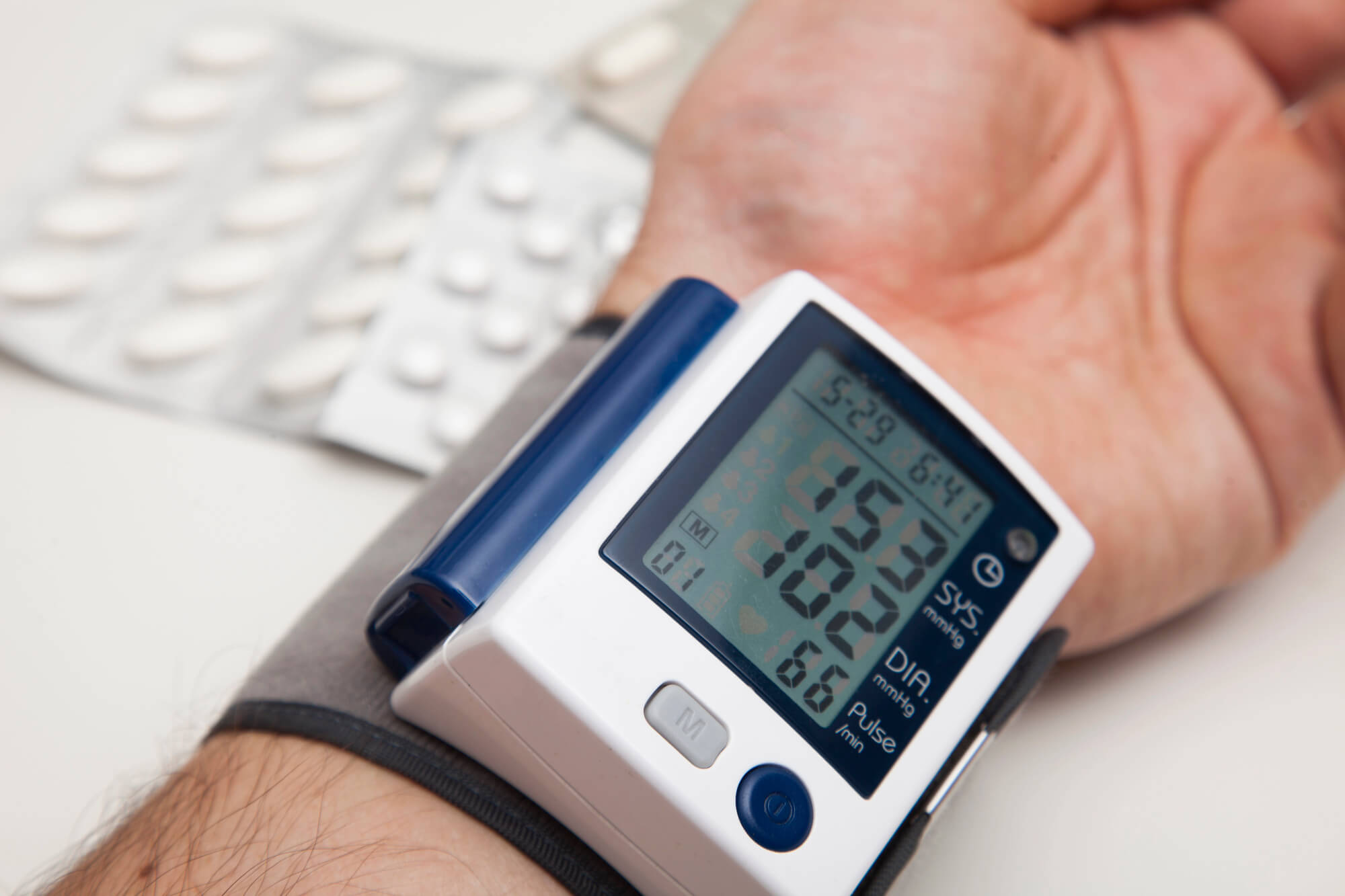
- Blood pressure measurement
- Review of current blood pressure medications and other prescriptions
- Blood tests to evaluate cholesterol, blood sugar, kidney function, and hormone levels
- Testosterone testing when symptoms suggest a hormonal imbalance
- Assessment of cardiovascular risk factors
- Review of smoking, alcohol use, exercise habits, and diet
- Discussion of stress, anxiety, relationship concerns, and other lifestyle factors
Many physicians also use validated questionnaires, such as the International Index of Erectile Function (IIEF), to better understand the severity of erectile dysfunction and how it's affecting quality of life.
If a vascular cause is suspected, additional testing may be recommended. A penile Doppler ultrasound can evaluate penile blood flow before and after medication is administered, helping physicians determine whether reduced circulation is contributing to ED. In some cases, specialized vascular assessments, including measurements of brachial flow-mediated dilation, may also be used to evaluate endothelial function and overall vascular health.
Depending on the results of your evaluation, your care may involve collaboration with a cardiologist, urologist, primary care physician, or other members of your healthcare team to address both erectile dysfunction and the underlying cardiovascular risk factors.
Treatment Options for ED Caused by Hypertension
There isn't a one-size-fits-all treatment for hypertension-related erectile dysfunction.
The most effective treatment depends on the underlying cause, the severity of symptoms, your cardiovascular health, and any other medical conditions that may be contributing to ED. In many cases, treatment combines lifestyle improvements with medical therapy to restore erectile function while protecting long-term vascular health.
Lifestyle Modification
Lifestyle changes are often one of the first recommendations for men with both hypertension and erectile dysfunction.
Improving blood pressure through healthier daily habits may also improve blood flow, endothelial function, and erectile performance over time.
Lifestyle modifications often include:
- Following a heart-healthy diet
- Participating in regular cardiovascular exercise
- Losing excess weight
- Quitting smoking
- Limiting alcohol consumption
- Managing stress effectively
- Improving sleep habits
Although improvements may not happen overnight, these changes can produce lasting benefits for both cardiovascular health and sexual function.
Oral Erectile Dysfunction Medications (PDE5 inhibitors)
For many men, oral erectile dysfunction medications are an effective treatment option.
Medications such as sildenafil citrate (Viagra®) and other phosphodiesterase-5 (PDE5) inhibitors work by enhancing the effects of nitric oxide, allowing blood vessels within the penis to relax and increasing blood flow during sexual stimulation.
These medications can be highly effective for many men with hypertension-related ED. However, they aren't appropriate for everyone.
Men who take nitrate medications for chest pain or certain heart conditions should not use PDE5 inhibitors because combining these medications can cause a dangerous drop in blood pressure. Your physician will review your medical history and current medications to determine whether these treatments are safe for you.
Additional Treatment Options
When oral medications aren't effective or appropriate, several other treatment options may be available.
Depending on the underlying cause of ED, your physician may recommend:
- Injectable vasodilator medications or Intracavernosal Pharmacotherapy (ICP)
- Peptide therapy, like Bremetide™, acts directly on the central nervous system to boost the natural sex drive
- Vacuum erection devices
- Hormone therapy for appropriately selected patients with testosterone deficiency
- Penile prostheses for men with severe erectile dysfunction who have not responded to more conservative treatments
The right treatment varies from one patient to another. A personalized approach offers the greatest opportunity for achieving meaningful improvements in erectile function while addressing the medical conditions contributing to ED.
How Boston Medical Group Telemedicine Can Help
Because erectile dysfunction often has multiple contributing factors, successful treatment begins with a comprehensive evaluation rather than simply treating the symptom.
At Boston Medical Group Telemedicine, physicians evaluate each patient's medical history, cardiovascular health, current medications, lifestyle factors, and treatment goals to better understand the underlying cause of erectile dysfunction. This personalized approach helps determine whether hypertension, vascular disease, diabetes, hormone imbalance, medication side effects, or another condition may be contributing to your symptoms.
Following your evaluation, your physician will recommend an individualized treatment plan based on your specific needs. Depending on your medical history, treatment may include lifestyle recommendations, oral medications, or other physician-directed therapies designed to improve erectile function while supporting your overall health.
Through its convenient telemedicine platform, Boston Medical Group provides men with confidential access to experienced physicians who specialize in men's sexual health, allowing patients to receive expert care from the privacy and comfort of home.
If hypertension or another medical condition is affecting your sexual performance, seeking treatment early may help improve not only your erections but also your long-term cardiovascular health.

Frequently Asked Questions About ED and Hypertension
Can high blood pressure permanently cause erectile dysfunction?
Not necessarily. While long-term uncontrolled hypertension can cause permanent damage to blood vessels, many men experience meaningful improvement after controlling their blood pressure, adopting healthier lifestyle habits, and receiving appropriate treatment for erectile dysfunction.
Will lowering my blood pressure improve my erections?
It may. Better blood pressure control can improve circulation and reduce additional damage to blood vessels. However, improvements depend on how much vascular damage has already occurred and whether other conditions, such as diabetes or hormone deficiencies, are also contributing to ED.
Which blood pressure medications are least likely to cause erectile dysfunction?
Many newer antihypertensive medications, including ACE inhibitors, angiotensin receptor blockers (ARBs), and calcium channel blockers, are generally considered less likely to contribute to erectile dysfunction than some older diuretics and beta-blockers. Your physician can help determine which medication is most appropriate for your overall health.
Is Viagra safe for men with high blood pressure?
Many men with well-controlled hypertension can safely use sildenafil (Viagra®) or other PDE5 inhibitors under a physician's supervision. However, these medications should not be combined with nitrate medications and may not be appropriate for everyone. Always consult your healthcare provider before beginning treatment.
Should I see a cardiologist if I have erectile dysfunction and hypertension?
Depending on your symptoms and overall cardiovascular risk, your physician may recommend consultation with a cardiologist. Because erectile dysfunction can sometimes be an early sign of vascular disease, evaluating your heart health may help identify risk factors before more serious complications develop.
The Bottom Line
Hypertension and erectile dysfunction are closely connected because they often affect the same vascular system.
Over time, high blood pressure damages the endothelium, stiffens blood vessels, and reduces healthy blood flow throughout the body. Since the arteries supplying the penis are especially small, they may show signs of vascular damage before larger arteries elsewhere in the body, making erectile dysfunction one of the earliest symptoms of declining vascular health for many men.
Although some blood pressure medications can contribute to erectile dysfunction, uncontrolled hypertension itself is usually the greater threat. That's why it's important to work with your physician rather than stopping medication on your own. Through careful evaluation, blood pressure control, healthy lifestyle changes, and individualized treatment, many men are able to improve both their cardiovascular health and their erectile function.
If you're experiencing ongoing erectile dysfunction, don't ignore the symptoms or assume they're simply a normal part of aging. The physicians at Boston Medical Group Telemedicine can help identify the underlying cause of your ED and develop a personalized treatment plan that supports your sexual health, your confidence, and your long-term wellness.