Call Us!
Questions About Impotence? Get a Personal Answer Today.
Erectile dysfunction (ED) is one of those problems most men would rather keep in a separate box from “serious health issues.”
It feels private, personal, and easy to blame on stress, age, or a bad week. The hard truth is that in many men from midlife onward, ED might actually be a cardiovascular (CV) problem. The same artery changes that make it harder to get or keep an erection can also be quietly affecting the vessels that feed blood to your heart.
Large, long‑term studies show men with ED are more likely to have future heart attacks and strokes than men without ED. Those numbers describe what happens across big groups of men, not guarantees for any one person. ED does not mean a heart attack is inevitable, and it is not a reason to panic. However, it is a reason to treat ED as a possible early warning sign of other CV risk factors, not just a bedroom issue, and to let a clinician look at the bigger picture.
At Boston Medical Group Telemedicine, we've prepared this guide to help you see how ED and heart disease are linked, when ED should prompt a heart checkup, and what practical steps you can take to protect both your heart and your erections.
This information is for general education only and does not replace a personal evaluation with your own clinician.
The Short Answer: Yes, Impotence Can Signal Increased Heart Attack Risk
If you're wondering whether impotence can double your risk of a heart attack, the answer is nuanced, but important.
Erectile dysfunction itself does not cause a heart attack. Instead, it often serves as a symptom of underlying cardiovascular disease.
Both conditions frequently develop from the same vascular problems that reduce healthy blood flow throughout the body. When arteries become narrowed or damaged, they can affect erections long before they produce chest pain or other classic symptoms of heart disease.
This is why many cardiologists and urologists now consider erectile dysfunction an important marker of cardiovascular risk rather than simply a quality-of-life issue. In fact, studies have consistently shown that men with ED are more likely to experience future cardiovascular events than men without erectile dysfunction, even after accounting for age and other risk factors.
Men with erectile dysfunction may have an increased likelihood of developing:
- Coronary artery disease
- Heart attack (myocardial infarction)
- Stroke (cerebrovascular event)
- Peripheral artery disease
- Major adverse cardiovascular events (MACE)
For some men, erectile sexual dysfunction appears three to five years before cardiovascular disease becomes clinically apparent. This window provides an important opportunity to identify and treat conditions like high blood pressure, diabetes, or high cholesterol before they contribute to a more serious cardiac event.
Rather than viewing ED as an isolated sexual concern, many physicians now recommend treating it as an opportunity to evaluate a man's overall vascular health. A comprehensive medical assessment and glycolipid profile may uncover previously undiagnosed CV risk factors, allowing early intervention through lifestyle changes, medication, or other treatments that benefit both heart health and erectile function.
Why Are Erectile Dysfunction and Heart Disease Connected?
Healthy erections depend on healthy blood vessels. So does a healthy heart.
Although these two conditions may seem unrelated, they rely on many of the same biological systems. Anything that increases the risk of blood flow obstruction can increase the likelihood of both erectile dysfunction and cardiovascular disease.
They Share the Same Blood Vessel Problem
An erection begins when sexual stimulation causes nerves to release nitric oxide into the erectile tissue of the penis. Nitric oxide signals the smooth muscle within the penile arteries to relax, allowing the arteries to widen and dramatically increase blood flow into the penis.
As blood fills the erectile chambers, pressure builds, producing a firm erection.
For this process to work properly, several components of the vascular system must remain healthy, including:
- Flexible, unobstructed arteries
- Healthy endothelial cells that line the blood vessels
- Adequate nitric oxide production
- Strong, consistent blood flow throughout the circulatory system
Unfortunately, many of the same conditions that damage the cardiovascular system also interfere with this process.
Over time, high blood pressure, diabetes mellitus, smoking, elevated cholesterol plaque levels, obesity, and chronic inflammation can damage the endothelium, the thin layer of cells lining every blood vessel in the body. This damage, known as endothelial dysfunction, reduces nitric oxide production and limits the ability of blood vessels to expand normally.
As blood vessels become less responsive and cholesterol plaque accumulates within the arterial walls, blood flow becomes increasingly restricted. This not only raises the risk of heart disease and stroke but also makes it more difficult to achieve or maintain an erection.
In many men, their sexual dysfunction is therefore one of the earliest signs of widespread vascular disease rather than an isolated condition affecting only the reproductive system.
The Artery Size Hypothesis Explains Why ED Often Comes First
One of the leading explanations for the relationship between impotence and cardiovascular disease is known as the Artery Size Hypothesis.
While plaque develops throughout the body's arteries, its effects on endothelial function are usually noticed first in the smallest blood vessels.
The penile arteries measure only about 1–2 millimeters in diameter, whereas the coronary arteries supplying the heart are roughly 3–4 millimeters wide. Even relatively small amounts of plaque or damage to endothelial function can significantly reduce blood flow through the much smaller penile arteries, making erectile dysfunction one of the earliest symptoms of vascular disease.
A simple way to think about it is this: a narrow garden hose becomes blocked much sooner than a large water main carrying the same debris.
As a result, many men experience erectile dysfunction several years before developing symptoms such as chest pain, shortness of breath, or other signs of severe arterial blockages from coronary artery disease. This doesn't mean every man with ED has heart disease, but it does mean erectile dysfunction deserves careful medical evaluation, particularly when it develops unexpectedly or worsens over time.
Instead of viewing ED as "just getting older," physicians increasingly recognize it as a valuable opportunity to identify cardiovascular disease earlier, reduce CV risk factors, and improve long-term vascular health.
What Research Says About Impotence and Heart Attack Risk
Over the past two decades, researchers have consistently found that erectile dysfunction is more than a quality-of-life concern.
They know problems with their sexual function can also provide valuable insight into a man's cardiovascular health. While ED doesn't directly cause heart disease, a growing body of evidence shows that it often develops alongside the same vascular conditions that increase the risk of heart attack, stroke (cerebrovascular event), and other major adverse cardiovascular events (MACE).
One of the studies that helped draw attention to this relationship was conducted by researchers at the University of Saarland in Germany. The study followed 1,519 men with existing heart disease and found that those who also had erectile dysfunction were approximately twice as likely to experience a heart attack compared to participants without ED. Researchers also observed a higher incidence of stroke among men with erectile dysfunction, highlighting the broader impact of vascular disease throughout the body.
Since then, numerous large observational studies have reached similar conclusions.
Research published in journals, such as the American Heart Association's Circulation, has found that erectile dysfunction is associated with an increased likelihood of future cardiovascular events, even in men who have not yet been diagnosed with heart disease.
Likewise, long-running population studies such as the Framingham Heart Study and the Multi-Ethnic Study of Atherosclerosis (MESA) have strengthened the evidence that erectile dysfunction is an independent marker of CV risk factors.
Collectively, these studies suggest that men with erectile dysfunction are more likely to experience:
- Heart attack (myocardial infarction)
- Stroke (cerebrovascular event)
- Coronary artery disease
- Peripheral artery disease
- Cardiovascular-related death
- Major adverse cardiovascular events (MACE)
Importantly, researchers believe that erectile dysfunction often appears years before a cardiovascular event occurs. This provides physicians with a valuable opportunity to identify cardiovascular disease earlier, evaluate a patient's overall risk, and recommend preventive strategies before more serious complications develop.
While every man with erectile dysfunction will not develop heart disease, the evidence is strong enough that many cardiology and urology guidelines recommend evaluating cardiovascular risk whenever a patient presents with unexplained or persistent ED.
Shared Risk Factors for Erectile Dysfunction and Heart Disease
Because erectile dysfunction and cardiovascular disease often develop from the same underlying vascular problems, they also share many of the same cardiovascular (CV) risk factors.
Many of these cardiovascular conditions gradually damage blood vessels, impair endothelial function, and reduce healthy circulation throughout the body. Over time, the same process that limits blood flow to the penis can also restrict blood flow to the heart, brain, and other vital organs.
The following CV risk factors increase the likelihood of both erectile dysfunction and cardiovascular disease.
| CV Risk Factor | How It Can Affect Erectile Function | How It Can Affect Heart Health |
| High blood pressure | Damages delicate penile arteries and reduces blood flow | Increases strain on the heart and damages the arteries |
| High cholesterol | Promotes cholesterol plaque buildup that restricts penile blood flow | Contributes to coronary artery disease and heart attack |
| Diabetes mellitus | Damages nerves, blood vessels, and endothelial cells | Greatly increases cardiovascular disease risk |
| Smoking | Reduces nitric oxide production and injures blood vessels, impairing endothelial function | Accelerates atherosclerosis and raises heart attack risk |
| Obesity | Increases inflammation and hormone imbalance | Raises the risk of hypertension, diabetes, and heart disease |
| Physical inactivity | Leads to poorer circulation and vascular function | Increases cardiovascular risk and contributes to obesity |
| Testosterone deficiency | May contribute to reduced libido and some forms of ED | Can be associated with metabolic disorders in some men |
| Family history of coronary heart disease | May indicate inherited cardiovascular risk | Increases the likelihood of premature cardiovascular disease |
The more of these risk factors a man has, the greater his likelihood of developing both erectile dysfunction and cardiovascular disease.
Fortunately for men's health, many of these CV risk factors are also modifiable. Improving blood pressure, cholesterol levels, blood sugar control, body weight, and physical activity often benefits both cardiovascular health and erectile function at the same time.
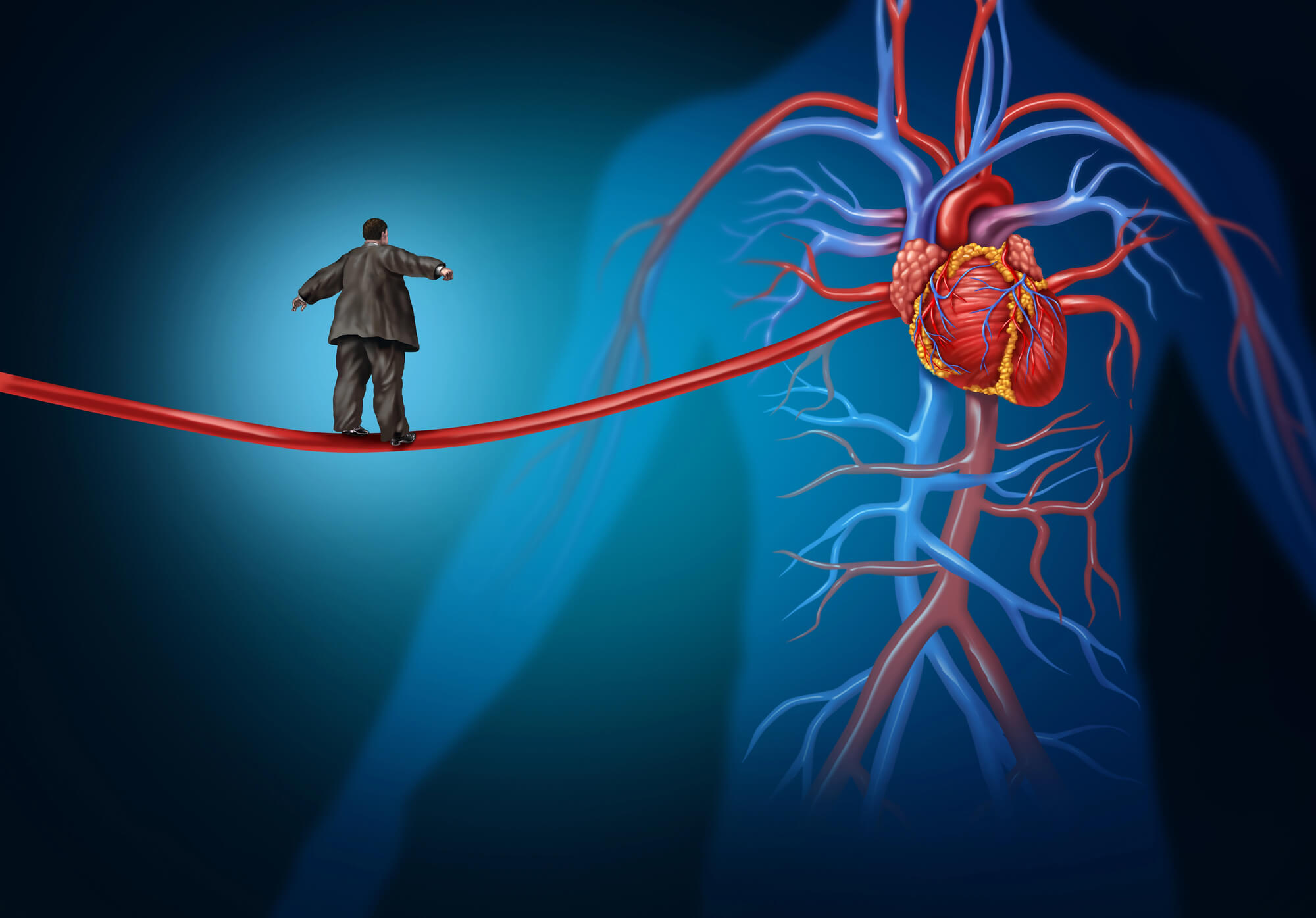
Medical Conditions That Can Increase Both Risks
While lifestyle factors certainly play an important role, several common medical conditions can simultaneously act as both sexual dysfunction and CV risk factors.
Understanding these conditions helps explain why physicians often recommend a comprehensive medical evaluation rather than simply prescribing medication to treat ED symptoms.
Diabetes Mellitus
Diabetes, particularly Type 2 diabetes, is one of the strongest risk factors for erectile dysfunction.
Persistently elevated blood sugar damages small blood vessels and nerves throughout the body. Over time, this reduces endothelial function and penile blood flow, impairs nitric oxide production, and decreases sensation, making it more difficult to achieve or maintain an erection.
Type 2 diabetes mellitus also significantly increases the risk of heart attack, stroke, and other cardiovascular complications because it accelerates atherosclerosis and endothelial dysfunction.
For men living with diabetes, maintaining healthy blood sugar levels through lifestyle modifications and medications such as Metformin or newer therapies prescribed by their physician may improve overall vascular health while helping reduce long-term cardiovascular risk.
High Blood Pressure
High blood pressure often develops silently over many years, gradually damaging arteries throughout the body.
As arterial walls become thicker and less flexible, blood flow decreases, and endothelial function deteriorates. These changes can interfere with normal erectile function long before cardiovascular symptoms appear.
Although some blood pressure medications may contribute to sexual side effects in certain individuals, untreated hypertension poses a much greater threat to both erectile function and heart health.
High Cholesterol and Atherosclerosis
High levels of LDL ("bad") cholesterol contribute to the formation of plaque inside blood vessels.
This process, known as atherosclerosis, narrows arteries and limits blood flow. Because the penile arteries are smaller than the coronary arteries, they often become symptomatic first.
Over time, cholesterol plaque accumulation can lead to:
- Vasculogenic erectile dysfunction
- Coronary artery disease
- Heart attack
- Stroke
- Peripheral arterial disease
When appropriate, physicians may recommend cholesterol-lowering medications such as statins, along with dietary improvements and regular exercise, to reduce cardiovascular risk.
Obesity and Metabolic Syndrome
Obesity affects far more than body weight.
Excess body fat contributes to chronic inflammation, insulin resistance, hormonal imbalance, reduced testosterone levels, and worsening endothelial function, all of which can negatively affect erections.
Obesity also substantially increases the likelihood of:
- Type 2 diabetes
- High blood pressure
- High cholesterol
- Cardiovascular disease
For some individuals, physician-supervised weight loss programs, lifestyle interventions, medications such as Semaglutide or Liraglutide, or bariatric surgery may significantly improve both cardiovascular health and erectile function.
Smoking
Smoking remains one of the most preventable causes of both erectile dysfunction and cardiovascular disease.
Tobacco smoke damages endothelial cells, decreases nitric oxide availability, promotes plaque formation, and accelerates the narrowing of the arteries. Even younger men who smoke may experience erectile dysfunction years before developing symptoms of heart disease.
Quitting smoking is one of the most effective steps a man can take to improve vascular health, reduce cardiovascular risk, and support healthier erectile function over time.
Could Erectile Dysfunction Be Your Body's "Check Engine Light"?
Many physicians describe erectile dysfunction as the body's equivalent of a check engine light, an early warning signal that something may not be functioning properly beneath the surface.
When the check engine light comes on in your car, ignoring it doesn't make the underlying problem go away. Sometimes it's something minor. Other times, it points to a developing issue that could become much more serious if left unaddressed.
Erectile dysfunction can work in much the same way.
Because the penile arteries are among the smallest arteries in the body, they often show signs of reduced blood flow before larger arteries supplying the heart or brain become severely narrowed. A man may notice problems with keeping his erections during sexual activity years before he ever experiences chest pain, shortness of breath, or other symptoms of cardiovascular disease.
Another way to think about it is the classic canary in a coal mine.
Miners once relied on canaries to warn them of invisible danger before conditions became life-threatening. Likewise, erectile dysfunction may provide an early warning of the presence of CV risk factors or of actual vascular disease, before more serious complications such as a heart attack or stroke occur.
This doesn't mean every case of erectile dysfunction is caused by heart disease. Psychological factors, hormonal imbalances, medication side effects, neurological disorders, and other medical conditions can also contribute to ED.
However, because vascular disease is one of the most common causes of erectile dysfunction, especially in middle-aged and older men, persistent ED should never be ignored or dismissed as simply "part of getting older."
Instead, it should prompt a conversation with a qualified physician who can evaluate not only erectile function but also your overall cardiovascular health. Identifying CV risk factors early creates an opportunity to improve both your sexual health and your long-term health before a preventable cardiovascular event occurs.
When You Should See a Doctor About Erectile Dysfunction
Occasional difficulty achieving or maintaining an erection is common and isn't necessarily a cause for concern. Stress, fatigue, alcohol consumption, relationship issues, or temporary illness can all affect sexual performance from time to time.
However, if erectile dysfunction becomes persistent, occurs more frequently, or develops without an obvious explanation, it's important to schedule a medical evaluation.
Because ED can sometimes be the first sign of an underlying cardiovascular condition, identifying the cause early may benefit both your sexual health and your overall well-being.
You should consider speaking with a healthcare provider if you:
- Experience ongoing difficulty getting or maintaining an erection
- Notice a sudden decline in erectile function
- Have CV risk factors like diabetes, high blood pressure, or high cholesterol
- Smoke or have a history of tobacco use
- Are overweight or physically inactive
- Have a family history of coronary heart disease or stroke
- Experience reduced sexual desire, fatigue, or symptoms of testosterone deficiency
- Develop chest discomfort, shortness of breath, or other symptoms that could suggest cardiovascular disease
CV Risk Stratification Test
A physician may also perform cardiovascular (CV) risk stratification, which evaluates your likelihood of future cardiovascular events based on CV risk factors such as age, blood pressure, cholesterol levels, diabetes status, smoking history, family history, and overall vascular health.
The goal isn't simply to restore erections, but to identify and address any underlying health conditions that may be contributing to both erectile dysfunction and increased cardiovascular risk.
How Doctors Evaluate Erectile Dysfunction
A thorough evaluation goes far beyond writing a prescription for an ED medication.
During an assessment, your physician will typically review your medical history, current medications, lifestyle habits, and sexual health before recommending any treatment.
Because erectile dysfunction can have multiple contributing factors, identifying the underlying cause is one of the most important steps in developing an effective treatment plan.
Depending on your symptoms and medical history, your evaluation may include:
- Blood pressure measurement
- Blood glucose testing for diabetes
- Cholesterol screening
- Testosterone and other hormone testing, including prolactin when appropriate
- Cardiovascular risk assessment
- Review of medications that may contribute to ED
- Assessment of lifestyle factors such as diet, exercise, smoking, alcohol use, and stress
In some cases, physicians may recommend additional diagnostic testing to better understand blood flow and vascular function.
For example, penile Doppler ultrasound can evaluate penile blood flow and measure dynamic peak systolic velocity (PSV), helping identify vascular causes of erectile dysfunction. Dynamic PSV, CV risk stratification, and other studies may be particularly useful when vasculogenic ED is suspected or when standard treatments have been unsuccessful.
Depending on the findings, your care may involve collaboration between specialists in urology, cardiology, endocrinology, or vascular medicine to ensure that both your sexual health and your cardiovascular health receive appropriate attention.

Can Treating Erectile Dysfunction Improve Heart Health?
Treating erectile dysfunction doesn't automatically reduce your risk of having a heart attack.
However, diagnosing the cause of erectile dysfunction often leads to the discovery of health conditions that affect long-term cardiovascular outcomes. In many cases, the greatest benefit comes from identifying and managing the underlying vascular disease rather than simply improving erectile function.
For many men, treatment involves addressing the same lifestyle factors that improve heart health.
These may include:
- Quitting smoking
- Becoming more physically active
- Maintaining a healthy weight
- Following a heart-healthy eating pattern
- Controlling blood pressure
- Improving cholesterol levels
- Managing diabetes effectively
- Reducing chronic stress
- Limiting excessive alcohol consumption
These lifestyle changes can improve endothelial function, support healthier blood vessels, enhance nitric oxide production, and improve circulation throughout the body. While results vary from person to person, improving cardiovascular health often has a positive effect on erectile function as well.
When lifestyle changes alone aren't enough, physicians may recommend medical treatment based on the underlying cause of ED.
Common treatment options include oral medications such as Sildenafil (Viagra®) or Cialis®, hormone therapy for appropriately selected patients with testosterone deficiency, vacuum erection devices, and physician-directed injectable therapies such as intracavernosal injections.
The most appropriate treatment depends on each patient's medical history, cardiovascular health, and the specific cause of their erectile dysfunction.
The Bottom Line
Erectile dysfunction is about much more than sexual performance. For many men, it can be one of the earliest visible signs of changes occurring within the cardiovascular system.
While impotence doesn't directly cause heart attacks, it frequently shares the same underlying vascular causes as heart disease, including atherosclerosis, endothelial dysfunction, high blood pressure, diabetes, and high cholesterol. Because the arteries supplying the penis are smaller than those supplying the heart, erectile dysfunction may appear years before more serious cardiovascular symptoms develop.
Rather than ignoring persistent ED or assuming it's simply a normal part of aging, consider it an opportunity to learn more about your overall health. A comprehensive medical evaluation can identify potentially treatable risk factors, improve erectile function, and help reduce your long-term risk of cardiovascular disease.
If you're experiencing ongoing erectile dysfunction, the physicians at Boston Medical Group Telemedicine can help identify the underlying cause of your symptoms and develop a personalized treatment plan designed to support both your sexual health and your overall wellness. Taking action today could benefit not only your quality of life but also your future heart health.
How Boston Medical Group Telemedicine Can Help
Because erectile dysfunction is often linked to broader health conditions, successful treatment begins with understanding why it's happening.
At Boston Medical Group Telemedicine, physicians take a comprehensive approach to evaluating erectile dysfunction rather than focusing solely on symptom management. Your consultation includes a detailed review of your medical history, current health conditions, cardiovascular risk factors, and treatment goals to help determine the most appropriate course of care.
For some men, treatment may involve lifestyle modifications or oral medications. Others, particularly those with diabetes, cardiovascular disease, or more complex forms of erectile dysfunction, may benefit from additional therapies tailored to their individual needs.
Boston Medical Group Telemedicine has spent more than two decades helping men address erectile dysfunction through personalized treatment plans that recognize the many physical and medical factors contributing to sexual dysfunction. The objective is not only to improve erectile function but also to encourage patients to identify and address health conditions that may be affecting their long-term vascular health.
If you've been experiencing persistent erectile dysfunction, don't ignore what your body may be trying to tell you. A confidential evaluation from physicians at Boston Medical Group Telemedicine can help determine whether your symptoms are related to vascular disease, hormonal changes, medication side effects, or another underlying medical condition, and help you find the treatment that's right for you.
Frequently Asked Questions About Erectile Dysfunction and Heart Disease
Can erectile dysfunction cause a heart attack?
No. Erectile dysfunction does not directly cause a heart attack. However, ED and cardiovascular disease often share the same underlying vascular causes, making erectile dysfunction an important indicator of increased cardiovascular risk.
Is erectile dysfunction always caused by heart disease?
No. Erectile dysfunction can also result from psychological factors, hormonal imbalances, neurological disorders, certain medications, pelvic surgery, or other medical conditions. A comprehensive evaluation helps determine the underlying cause.
How long before a heart attack can erectile dysfunction develop?
Research suggests that erectile dysfunction may develop three to five years before symptoms of coronary artery disease become noticeable in some men. This provides an opportunity to identify cardiovascular risk factors and begin preventive treatment earlier.
Should younger men with erectile dysfunction be concerned?
Yes. Although occasional erection problems are common, persistent ED at any age deserves medical evaluation. Younger men may have underlying metabolic, hormonal, vascular, or psychological conditions that benefit from early diagnosis and treatment.
Can improving heart health improve erectile function?
Often, yes. Improving blood pressure, cholesterol, blood sugar control, body weight, physical activity, and smoking status can improve blood vessel health, which may also improve erectile function. Individual results vary depending on the underlying cause of ED.