Call Us!
Prostate cancer treatment saves lives. With modern screening, surgical techniques, and therapies, the 5-year survival rate for prostate cancer is now well over 95% for many men. But survival is only part of the story.
For a significant number of men, prostate surgery, radiation therapy, or androgen deprivation therapy (ADT) leaves behind lasting changes in sexual health, particularly when it comes to libido, sexual desire, and overall sexual response. Erectile dysfunction is the most talked-about consequence, but many men are surprised to discover that even when erections or orgasms are still possible, sexual desire and arousal may feel muted or absent.
This disconnect has led many patients to explore treatments beyond traditional PDE5 inhibitors like sildenafil citrate (Viagra) or Cialis, which focus primarily on blood flow and penile erections. Increasingly, attention has turned toward therapies that act on the brain and central nervous system, where sexual motivation and arousal actually begin.
One such option is PT-141, also known as PT 141 or bremelanotide, a peptide therapy that works through the melanocortin system rather than the vascular system. Originally developed from compounds related to melanotan II, PT-141 represents a fundamentally different approach to treating sexual dysfunction after prostate cancer treatment.
In this article, we’ll explore whether PT-141 for low libido may help men regain sexual desire and responsiveness after prostate surgery, how it compares to other erectile dysfunction treatments, and why addressing libido, not just erections, is a critical part of sexual recovery.
Life After Prostate Surgery: Why Libido Often Declines
Sexual changes after prostate cancer treatment are common and expected, but often under-discussed. Whether a man undergoes radical prostate surgery, radiation therapy, or androgen deprivation therapy using medications like leuprolide, the structures and systems involved in sexual function are frequently affected.
The Physical Impact of Prostate Cancer Treatments
Prostate cancer treatments are life-saving, but they can disrupt multiple components of sexual function:
- Prostate surgery may damage or stretch nerves responsible for erections
- Radiation therapy can impair blood vessels and erectile tissue over time
- Androgen deprivation therapy reduces testosterone, directly lowering libido and sexual desire
These changes explain why erectile dysfunction is so common after treatment, and why therapies such as Trimix injections, intracavernosal injections, vacuum therapy, or even penile prostheses are sometimes necessary to restore penile erections.
However, erections are only one part of the sexual experience.
Libido, Arousal, and the Brain–Body Disconnect
Many men notice that even when erections can be mechanically achieved, through PDE5 inhibitors, sildenafil, injections, or devices, the desire to initiate sex simply isn’t there. Sexual thoughts may diminish, arousal may feel delayed or absent, and sexual performance may feel forced rather than spontaneous.
This happens because:
- Libido and sexual arousal originate in the brain, not the penis
- Prostate cancer treatments can alter neurochemical signaling, hormones, and emotional processing
- Psychological factors such as anxiety, fear of failure, and changes in self-image compound physical effects
As a result, men may still be capable of orgasms and ejaculation, yet feel disconnected from sexual motivation and satisfaction.
The Psychological Impact of Prostate Cancer on Sexuality
Beyond the physical changes, prostate cancer itself carries a profound psychological burden. A cancer diagnosis, changes in reproductive organs, and concerns about masculinity or intimacy can affect:
- Confidence and self-esteem
- Emotional readiness for sexual activity
- Comfort with sexual arousal and response
This psychological impact is not a weakness, only a normal response to a major medical and life event. Unfortunately, many erectile dysfunction treatments fail to address this brain-based component of sexual health.
Why Traditional ED Treatments Often Aren’t Enough
Medications like Viagra, Cialis, and other phosphodiesterase inhibitors work by improving blood flow to the penis. They are effective for many men, but they rely on existing sexual desire and arousal signals to work properly.
When libido is low:
- PDE5 inhibitors may produce weak or inconsistent erections
- Sexual response feels mechanical rather than natural
- Satisfaction may remain low even when erections occur
This is why interest has grown in therapies that act beyond blood flow and target the neurological pathways responsible for sexual desire and arousal.
Understanding Low Libido vs. Erectile Dysfunction After Prostate Surgery
One of the most important, but most misunderstood, aspects of sexual recovery after prostate cancer treatment is the distinction between libido and erectile function. These terms are often used interchangeably, but they represent different physiological processes and are affected differently by prostate surgery and related treatments.
Low Libido Is Not the Same as Erectile Dysfunction
Erectile dysfunction refers to difficulty achieving or maintaining penile erections firm enough for sexual activity. Libido, on the other hand, refers to sexual desire, or the mental and emotional interest in sex, arousal, and intimacy.
After prostate surgery or radiation therapy, a man may experience:
- Erectile dysfunction with preserved sexual desire
- Normal erections but diminished libido
- Both erectile dysfunction and low libido
- Preserved ability to experience orgasms and ejaculation despite erection problems
This happens because erections depend heavily on intact blood vessels and peripheral nerves, while libido and sexual arousal are driven primarily by the brain and central nervous system.
The nerves and blood vessels most commonly affected by prostate surgery are essential for erections but far less critical for orgasms or ejaculation. As a result, many men remain capable of orgasm after prostate cancer treatment, even when erections are unreliable or absent. However, the desire to initiate sex may still decline significantly.
Why Blood-Flow Medications Often Fall Short After Prostate Surgery
Phosphodiesterase inhibitors, commonly referred to as PDE5 inhibitors, such as sildenafil citrate (Viagra) and Cialis, are designed to improve blood flow to the penis. These medications can be very effective when erectile dysfunction is primarily vascular in origin.
However, after prostate cancer treatment, erectile dysfunction is often neurogenic or multifactorial, involving:
- Nerve injury from surgery
- Reduced nitric oxide signaling
- Hormonal suppression from androgen deprivation therapy
- Psychological stress and performance anxiety
Most importantly, PDE5 inhibitors require an existing sexual signal from the brain to work effectively. When libido and sexual arousal are low, blood-flow medications may produce inconsistent results or feel ineffective, even at higher doses.
This limitation explains why many men progress to second-line treatments such as Trimix injections, other intracavernosal injections, vacuum therapy, or penile prostheses. While these options can restore penile erections mechanically, they do little to address the underlying loss of sexual desire or arousal.
What Is PT-141 (Bremelanotide)?
PT-141, also known as PT 141 or bremelanotide, is a synthetic peptide therapy that represents a fundamentally different approach to treating sexual dysfunction. Unlike traditional erectile dysfunction medications, PT-141 does not act on blood vessels in the penis. Instead, it works through the brain.
PT-141 is part of a class of compounds originally derived from research into melanotan II, a peptide studied for its effects on pigmentation and neurochemical signaling. During early research, scientists observed unexpected effects on sexual arousal, which led to the development of PT-141 as a more targeted therapy focused on sexual response.
Bremelanotide is FDA-approved for the treatment of hypoactive sexual desire disorder in premenopausal women and is prescribed off-label for men under medical supervision, including men with erectile dysfunction and low libido after prostate cancer treatment.
The Melanocortin System and Sexual Desire
PT-141 is a melanocortin receptor agonist, which means that it works by activating the melanocortin system, a network of receptors and signaling pathways in the brain involved in regulating sexual desire, arousal, mood, appetite, and other core functions.
Specifically, PT-141 stimulates melanocortin receptors, particularly the melanocortin-4 receptor, located in the hypothalamus. This region of the brain plays a central role in sexual motivation and sexual response.
Because it engages melanocortin receptors, PT-141 enhances sexual arousal signals at the source, before blood flow, erection, or physical response occurs. This brain-first mechanism distinguishes it from PDE5 inhibitors and makes it especially relevant for men whose dysfunctional sexual performance is rooted in reduced libido rather than purely mechanical erectile issues.
How PT-141 Is Different From Traditional ED Medications
Traditional erectile dysfunction treatments focus on improving penile blood flow. PT-141 does not depend on nitric oxide pathways, vascular dilation, or intact penile nerves to initiate sexual response.
Because of this, PT-141 may be particularly useful for men who:
- Have low sexual desire after prostate surgery or radiation therapy
- Do not respond well to sildenafil (Viagra), Cialis, or other PDE5 inhibitors
- Experience erectile dysfunction alongside psychological or emotional barriers
- Have undergone androgen deprivation therapy with medications such as leuprolide
Once administered, many patients report increased sexual arousal and responsiveness within 45 to 60 minutes.
Can PT-141 Improve Low Libido After Prostate Surgery?
Men recovering from prostate cancer treatment often assume that changes in sexual function mean the end of sexual pleasure altogether. In reality, the picture is more nuanced.
Yes—nearly all men are still capable of having an orgasm after prostate cancer treatment, even when erectile dysfunction is present. This is a critical distinction that many patients are never clearly told.
The nerves and blood vessels most commonly affected by prostate surgery, particularly radical prostatectomy, are essential for achieving an erection, but they are not essential for achieving orgasm. Orgasm is largely mediated by central nervous system pathways and pelvic musculature rather than the same vascular and nerve mechanisms responsible for erections.
As a result:
- The vast majority of men can still experience orgasm after prostate cancer treatment
- This remains true even for many men with significant erectile dysfunction
- Only a small minority of men are completely unable to achieve orgasm following treatment
However, while orgasmic capability is usually preserved, sexual desire (libido) is a different issue altogether.
Prostate Surgery, Libido, and the Brain
Clinical research has consistently shown that radical prostatectomy can negatively affect libido, even when orgasm remains possible. Studies examining post-prostatectomy sexual outcomes have demonstrated measurable declines in sexual desire, arousal, and overall sexual motivation following surgery, independent of erectile function.
This decline in sexual desire appears to be driven by a combination of factors, including:
- Disruption of neurological signaling involved in arousal
- Hormonal changes, especially in men receiving androgen deprivation therapy
- Psychological effects related to cancer diagnosis, surgery, and changes in self-image
This means many men find themselves in a frustrating position after prostate cancer treatment:
- They are still physically capable of orgasm
- They may or may not achieve erections reliably
- But the desire, mental arousal, and sexual drive are significantly diminished
This disconnect is where many traditional erectile dysfunction treatments fall short.
For men who report that “the interest just isn’t there anymore,” the brain-based mechanism of PT-141 is particularly relevant, as it does not require sexual stimulation to initiate arousal in the same way that PDE5 inhibitors do, which may allow sexual desire to re-emerge even when physical response is inconsistent.
Men who benefit most from PT-141 after prostate surgery often describe changes such as:
- Increased sexual thoughts and interest
- Faster or more noticeable arousal
- Greater emotional engagement during intimacy
- Improved sexual satisfaction, even if erections remain variable
Why This Matters Clinically
After prostate cancer treatment, sexual recovery is not just about erections. Because orgasmic function is usually preserved while libido often declines, therapies that target sexual desire and arousal, rather than blood flow alone, can play a meaningful role in restoring sexual satisfaction.
PT-141 and Erectile Function After Prostate Surgery: What Men Can Expect
Although PT-141 is primarily associated with libido and sexual arousal, many men understandably ask whether it can also improve erectile function after prostate cancer treatment.
The answer requires careful expectation-setting.
Indirect Effects on Erections
PT-141 does not act directly on penile blood vessels and does not replace therapies designed to improve blood flow or mechanical rigidity. However, by enhancing sexual arousal at the brain level, PT-141 may indirectly support erectile function in certain situations.
Sexual arousal is the initiating signal for erections. When that signal is weak or absent, even healthy blood vessels or injection therapies may perform inconsistently. By strengthening arousal and sexual response, PT-141 may help improve the reliability of erections when combined with other treatments.
Some men report:
- More spontaneous erectile response when aroused
- Improved response to PDE5 inhibitors when taken together
- Greater satisfaction during intimacy, even when erections are not optimal
Combination Therapy Is Often Key
For many men after prostate surgery, the most effective approach involves combining therapies that address different aspects of sexual function.
Depending on individual needs, this may include:
- PT-141 to address libido and sexual arousal
- PDE5 inhibitors such as sildenafil citrate or Cialis to support blood flow
- Trimix injections or other intracavernosal injections for reliable erections
- Vacuum therapy or penile prostheses in more advanced cases
This multimodal approach recognizes that sexual recovery after prostate cancer is rarely a single-problem issue. Addressing both the psychological and physiological components of sexual dysfunction often leads to better outcomes.
What PT-141 Will Not Do
It is important to be clear about the limitations of PT-141. It does not:
- Reverse surgical nerve damage
- Regenerate erectile tissue on its own
- Replace mechanical or vascular erectile therapies
While regenerative medicine and anti-aging research continue to explore therapies involving reproductive cells and tissue repair, PT-141 should be viewed as a therapy focused on sexual desire and arousal, not structural restoration.
How PT-141 Is Administered and Dosed
Understanding how PT-141 is administered is an important part of setting expectations, particularly for men who have already tried multiple erectile dysfunction treatments after prostate surgery.
Unlike oral medications such as sildenafil citrate or Cialis, PT-141 is not taken as a pill.
Subcutaneous Injections Explained
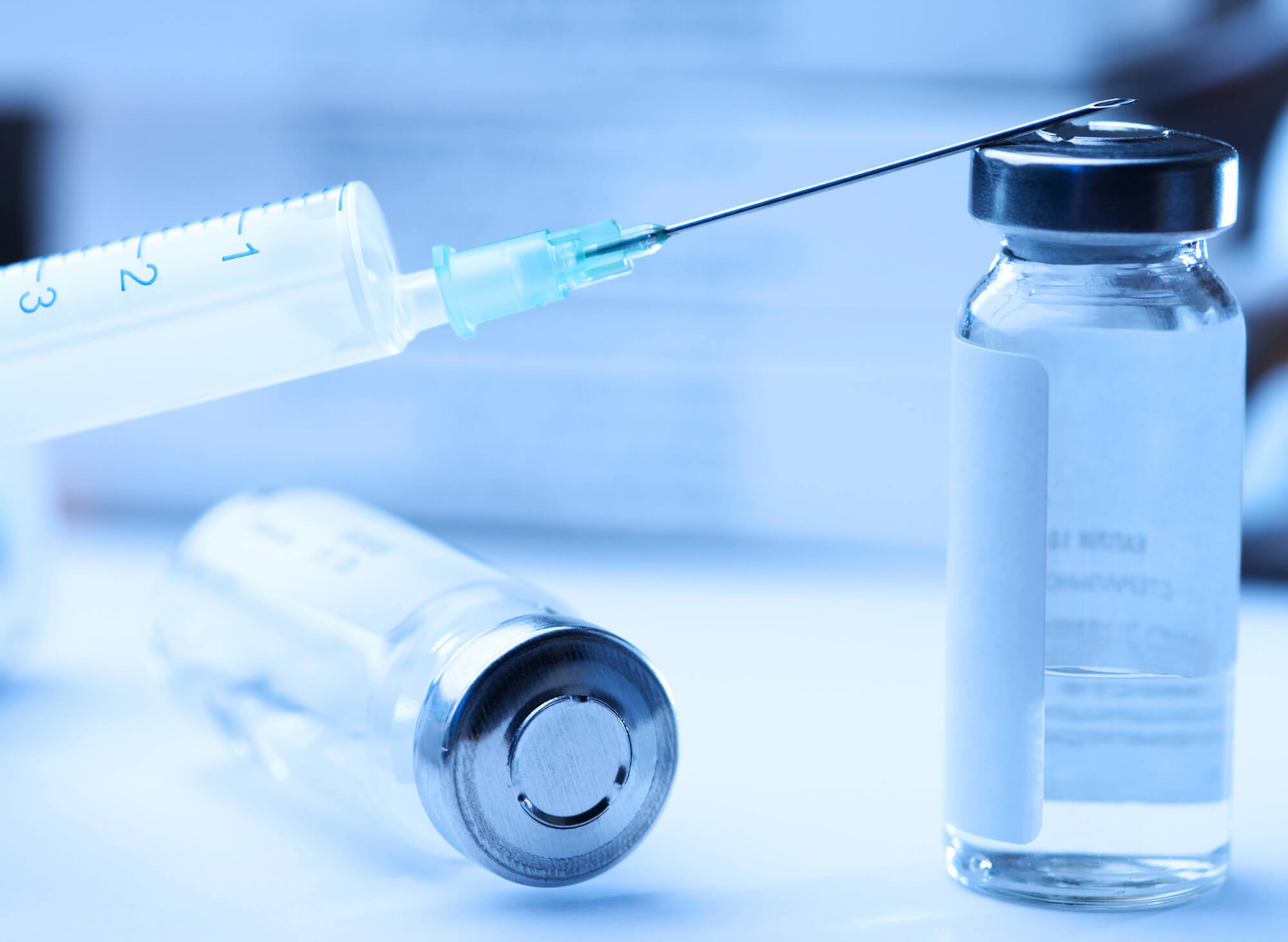
PT-141 is most commonly administered as a subcutaneous injection, meaning it is injected just beneath the skin rather than into a muscle or blood vessel. This method of delivery reflects its role as a peptide therapy that acts on the central nervous system rather than the vascular system.
Key points about administration include:
- The injection is usually self-administered after proper instruction, in areas like the abdomen or thigh
- Onset of effects typically occurs within 45 to 60 minutes
- Effects may last several hours, depending on the individual
- PT-141 is used on an as-needed basis rather than daily
Earlier research explored intranasal PT-141 formulations, but injectable delivery has proven to be more reliable and consistent in producing sexual arousal and response. For this reason, subcutaneous administration remains the most commonly prescribed form.
For men already familiar with injection-based erectile dysfunction therapies, such as Trimix injections or other intracavernosal injections, the PT-141 injection process is often perceived as straightforward and less intimidating, as it does not involve penile tissue.
Dosing Considerations After Prostate Surgery
PT-141 dosing is individualized and should always be guided by a qualified medical provider, particularly in men with a history of prostate cancer treatment.
Factors that influence dosing include:
- Overall health and cardiovascular status
- Use of androgen deprivation therapy or hormone suppression
- Sensitivity to peptide therapies
- Concurrent use of other erectile dysfunction treatments
Because PT-141 acts on the melanocortin system, higher doses do not necessarily produce better results and may increase the likelihood of side effects. Most treatment protocols emphasize conservative dosing with careful monitoring.
PT-141 is not designed for daily use, and exceeding the recommended frequency does not improve libido recovery. Responsible use under medical supervision is essential.
Safety Considerations for Men After Prostate Surgery
Safety is a central concern for men exploring new sexual health treatments after prostate cancer. PT-141 has a distinct safety profile compared to traditional erectile dysfunction medications, but it is not appropriate for every patient.
Cardiovascular and Blood Pressure Considerations
Unlike PDE5 inhibitors, PT-141 does not rely on vasodilation to produce its effects. However, it can cause temporary increases in blood pressure in some individuals.
For this reason, PT-141 is generally avoided or used cautiously in men who have:
- Uncontrolled high blood pressure
- Significant cardiovascular disease
- A history of stroke or severe heart conditions
Men who were unable to tolerate sildenafil, Cialis, or other phosphodiesterase inhibitors due to blood pressure concerns may still be candidates for PT-141, but only after a thorough medical evaluation.
Common Side Effects of PT-141
Most reported side effects of PT-141 are mild to moderate and tend to resolve on their own. These may include:
- Nausea, particularly with initial doses
- Flushing or warmth
- Headache
- Mild discomfort at the injection site
Nausea is the most commonly reported side effect and is dose-dependent. Adjusting the dose or timing of administration often reduces this effect.
Because PT-141 influences melanocortin receptors, some patients may notice subtle changes in skin pigmentation with repeated use, though this is uncommon at therapeutic doses.
Overall, men who have undergone prostate cancer treatment often have complex medical histories. For this reason, PT-141 should never be started without physician oversight, particularly when combined with other erectile dysfunction therapies.
PT-141 vs. Other Post–Prostate Surgery Sexual Health Options
Men recovering from prostate cancer treatment are often presented with a wide range of sexual health therapies. Understanding where PT-141 fits among these options helps clarify its role and limitations.
Rather than replacing existing erectile dysfunction treatments, PT-141 often complements them by addressing a different part of the sexual response cycle.
PT-141 vs. PDE5 Inhibitors (Viagra, Sildenafil, Cialis)
PDE5 inhibitors such as sildenafil citrate and Cialis are typically first-line therapies for erectile dysfunction. These medications work by improving blood flow to the penis and are effective when vascular pathways and arousal signals remain intact.
However, PT-141 differs in that it targets sexual desire and arousal through the brain rather than blood flow. For men whose primary concern is low libido, PT-141 may address a gap that PDE5 inhibitors do not.
In both clinical studies and in practice, PT-141 and PDE5 inhibitors are often used together, with PT-141 supporting arousal and sildenafil or Cialis supporting erectile rigidity.
PT-141 vs. Injection-Based and Mechanical Therapies
Injection therapies such as Trimix injections and other intracavernosal injections are highly effective at producing penile erections, even in men with severe nerve damage after prostate surgery. Vacuum therapy and penile prostheses also provide reliable mechanical solutions.
While these treatments can restore the physical ability to have intercourse, they do not directly influence:
- Sexual desire
- Emotional arousal
- Psychological engagement
PT-141 may help reintroduce sexual motivation and responsiveness, making intimacy feel more natural rather than procedural. For this reason, PT-141 is sometimes used alongside mechanical or injection-based therapies to improve overall sexual satisfaction.
Where PT-141 Fits Best
PT-141 is not a replacement for all erectile dysfunction treatments. It is best viewed as a therapy that addresses the neurological and psychological components of sexual function, particularly libido and arousal, which are often overlooked after prostate cancer treatment.

Why a Personalized Treatment Plan Matters After Prostate Cancer
Sexual recovery after prostate cancer is rarely linear, and no single treatment works for every patient. The effects of surgery, radiation therapy, or androgen deprivation therapy vary widely depending on cancer stage, treatment approach, overall health, and psychological factors.
Multiple Systems Are Involved in Sexual Function
Sexual function depends on the interaction of several systems, including the brain and central nervous system, hormonal regulation (especially testosterone), and even psychological well-being and self-image affected by the stress related to cancer survivorship.
Prostate cancer treatment can affect more than one of these systems at the same time. Focusing on erections alone often leaves other contributors to sexual dysfunction unaddressed.
Libido Loss Requires a Different Strategy
Low libido after prostate surgery is not simply an extension of erectile dysfunction. It may reflect changes in neurochemical signaling or hormonal suppression from androgen deprivation therapy.
Because PT-141 works through the melanocortin system in the brain, it may be appropriate for men whose primary concern is loss of sexual desire rather than mechanical erectile failure. Determining this requires a careful evaluation rather than a trial-and-error approach.
Combination Therapy Often Produces Better Outcomes
For many men, the most effective strategy involves combining therapies that address different aspects of sexual function. This may include:
- PT-141 to support libido and sexual arousal
- PDE5 inhibitors to improve blood flow
- Injection-based therapies for reliable erections
- Counseling or support to address psychological impact and self-image
A personalized plan allows treatments to work together rather than in isolation.