Call Us!

You’ve probably heard some stories about Ozempic and erections by now.
While one man might say his sex drive is the shot that “killed” his sex drive, others have said it’s the first time in years he’s felt and performed like himself.
If you’re on a GLP-1 drug such as Ozempic, Wegovy, or Mounjaro, or you’re thinking about starting one, it’s natural to wonder whether the medication truly puts you at risk of erectile dysfunction (ED) or if it’s your underlying health and rapid weight loss that are really behind changes in erections, libido, or energy.
The better data we have in 2026 paints a more nuanced picture than the headlines.
So, does Ozempic cause ED? Research has established several common side effects of semaglutide, the active ingredient in Ozempic, from upset stomach to headaches, but no definitive link to ED.
However, although there’s no evidence it is a direct cause of erectile dysfunction, some studies have identified a possible association.
Other research suggests that GLP-1 treatment may actually improve sexual function in some men as weight and metabolic health improve. Individual health factors matter.
At Boston Medical Group, we understand that changes in erections during GLP-1 treatment aren’t always as simple as blaming the medication. So let’s look at the evidence, the factors that may help or hurt erectile function, and the steps you can take to protect your sexual health while managing your weight or diabetes.
Why Ozempic and ED Became a Story After 2024
Most of the noise around “Ozempic and ED” grew faster than the science.
Large semaglutide trials primarily studied blood sugar, weight, and cardiovascular outcomes rather than systematically measuring erections, so they cannot settle the ED question.
A retrospective study published in 2024 by researchers Liao B, Able C, Sonstein J, Kohn T. at the University of Texas Medical Branch, compared 3,094 non-diabetic men ages 18–50 with obesity who were prescribed semaglutide injections with 3,094 matched men who were not.
New ED diagnoses and/or prescriptions for ED medications occurred in 1.47% versus 0.32% of the males, respectively.
“Our findings [went] in the opposite direction of the expectation, where we expected that weight loss would improve symptoms of erectile dysfunction,” said Brian Liao, from the John Sealy School of Medicine, University of Texas Medical Branch, during a 2023 presentation of the initial findings of the study, as reported by the Urology Times Journal.
This association merits attention, but the study authors themselves admit it cannot prove semaglutide directly caused ED, and its findings do not necessarily apply to older men or men with diabetes. In fact, one previous study found that a combination treatment plan of liraglutide (a GLP-1 drug similar to semaglutide), lifestyle changes, and metformin, actually lowered the rate of erectile dysfunction in men with overt hypogonadism.
As GLP-1s became mainstream weight-loss medications, social media increasingly attributed changes in libido and erections as an adverse effect of “the shot,” often without clear evidence.
In official U.S. semaglutide prescribing information, ED is not listed among Ozempic’s most common adverse effects, although package inserts do mention general “sexual dysfunction” in either males or females.
The U.S. prescribing information highlights gastrointestinal side effects such as nausea, vomiting, diarrhea, abdominal pain, and constipation, with some of the worse side effects being issues with the gallbladder or pancreatitis. That doesn’t mean no one has developed ED while taking Ozempic, just that erectile dysfunction hasn’t been established as a common adverse reaction in the labeling.
Spontaneous-report databases, where clinicians and patients log suspected side effects, can provide additional clues but cannot establish causation. These reports warrant investigation, not assumptions about whether Ozempic is responsible.
Is Ozempic Causing ED Itself, or Is It Everything Around It?
For most men, current evidence does not establish that Ozempic directly damages erectile tissue.
But the 2024 observational study described above found an association between semaglutide prescriptions and new ED diagnoses or ED medication use in a specific group of younger men. Other populations have shown stable or improved sexual function after starting GLP-1 weight loss plans.
GLP-1 drugs act on several systems of the body that intersect with sexual function in people—appetite, glucose regulation, and brain pathways involved in satiety. Changes in food intake, energy, weight, and other health factors may also matter.
These are possible contributors, not proof of a direct semaglutide effect on erections.
Many Ozempic users already have ED risk factors, including health conditions like diabetes, hypertension, excess weight, smoking, or sleep apnea. When ED appears or worsens after starting a GLP-1, timing alone cannot tell you whether the drug tipped things over, arrived late to an already-moving process, or simply drew attention to a pattern that was quietly progressing.
Clinically, a more useful question than “Does Ozempic cause ED?” is what else might be happening in your vascular, hormonal, neurologic, and psychological health while you’re taking it.
That distinction is central to how Boston Medical Group approaches erectile dysfunction: understanding your current health and factors involved before identifying treatment options that don’t unnecessarily compromise hard-won metabolic progress.
How GLP-1 Drugs May Contribute to Erectile Difficulties
GLP-1 treatment can line up with worse erections for a subset of men, especially in the early months.
One possible pattern is an adjustment period: you eat less and feel queasy or fatigued, which can result in a natural decrease of your energy and interest in sex; at least temporarily.
Several contributors often stack up at the same time:
- Under-fueling and side effects: rapid calorie cuts, nausea, and fatigue drain energy and interest in sex.
- Performance anxiety and health worries: watching for side effects and reading alarming stories online can make erections more fragile, even with reasonable blood flow.
- Underlying vascular disease: diabetes, hypertension, high cholesterol, hormonal disorders, and other cardiovascular risk factors can contribute to ED independently of GLP-1 treatment.
- Major drug interactions: blood-pressure drugs, antidepressants, and beta-blockers, all common in this group, can push a borderline erection into clear ED.
- Dehydration, skipped meals, and poor sleep: frequent companions of aggressive weight-loss efforts that further stress circulation and hormones.
Most of these are modifiable levers: nutrition, hydration, sleep, dose pace, and medications from other current treatments, rather than permanent injury from the drug itself.
Some symptoms may improve as side effects, nutrition, and sleep stabilize, but the course of ED during GLP-1 treatment is not well established. By contrast, persistent ED, especially in a man with cardiovascular risk, deserves a structured evaluation rather than quick changes to injections based on guesses.
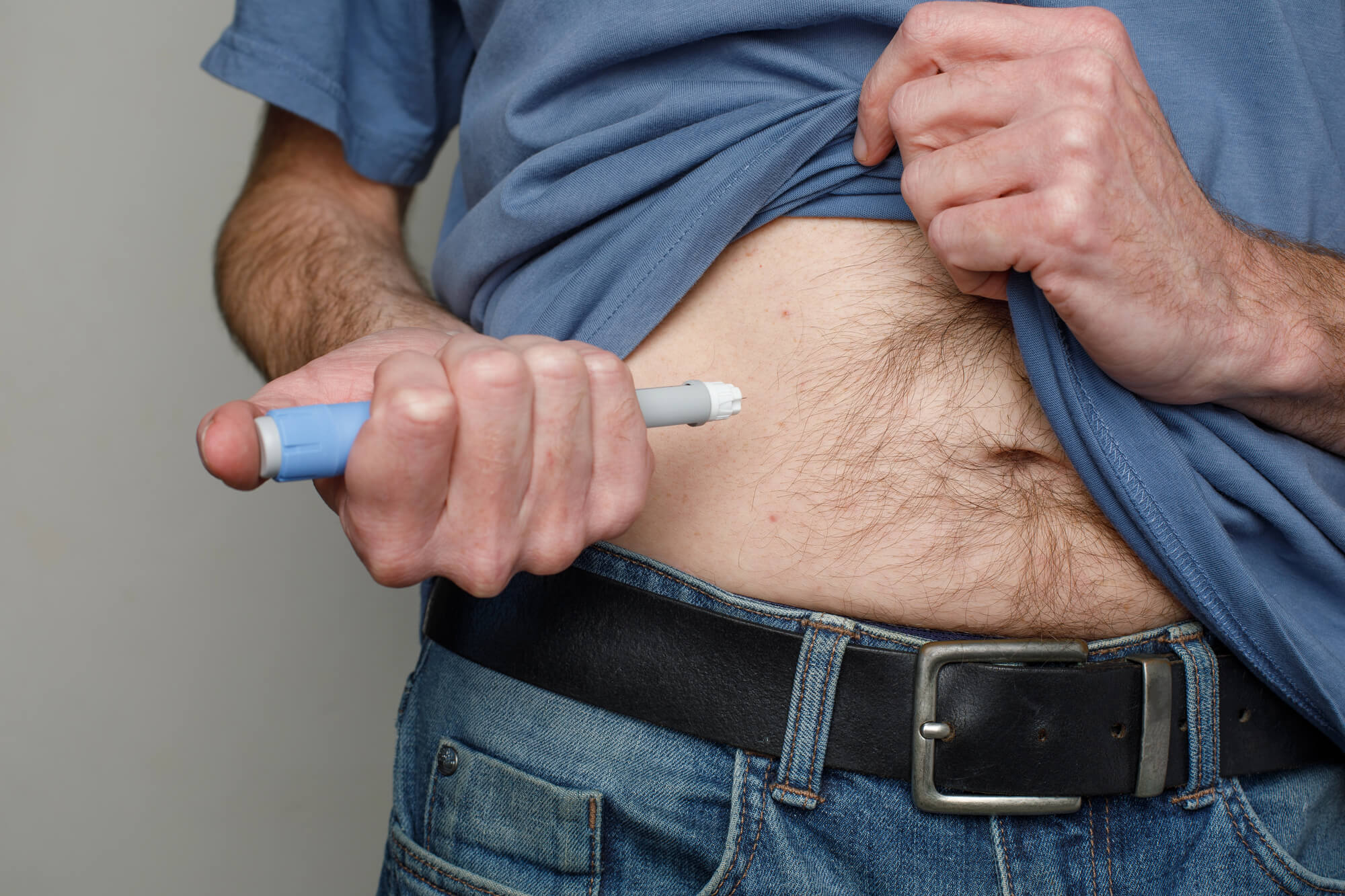
How GLP-1s Can Actually Help Erections, Hormones, and Blood Flow
For many men with obesity or type 2 diabetes, GLP-1 drugs may help erections over time by improving the metabolic and vascular factors associated with ED.
An erection is fundamentally a blood-flow event. It depends on healthy arteries, responsive smooth muscle, and intact nitric oxide signaling, all of which can be affected by excess weight, high blood sugar, and a decrease in testosterone production. GLP-1 treatment may support erectile function through:
- Better vascular health: Sustained weight loss can improve blood pressure and reduce cardiovascular risk factors that contribute to ED.
- Improved metabolic health: Better blood sugar control, insulin sensitivity, and reduced waist circumference may help address underlying conditions that interfere with erections.
- Potential hormonal benefits: Some smaller studies have reported improvements in testosterone levels during GLP-1 treatment and weight loss. A 2025 systematic review and meta-analysis found increases in total and bioavailable testosterone, although the evidence remains limited and these hormonal changes don’t necessarily translate into better erections.
Cardiovascular outcome trials offer additional reassurance, showing that certain GLP-1 treatments reduce major cardiovascular events in eligible high-risk patients. However, those benefits don’t necessarily translate into improved erections, and research has yet to establish a direct effect on erectile function.
If you already have severe, long-standing ED from nerve damage or advanced vascular disease, GLP-1s alone are unlikely to restore normal erections. They can still support your broader metabolic health, but the best approach often involves combining metabolic treatment with targeted ED therapy, better sleep, physical activity, and careful medication review rather than expecting one injection to solve everything.
Do Some GLP-1 Medications Look More Erection-Friendly Than Others?
Current evidence is insufficient to reliably compare erectile dysfunction risk across semaglutide (Ozempic/Wegovy), tirzepatide (Mounjaro/Zepbound), and other GLP-1-based medications. Direct head-to-head studies measuring erectile function remain limited, so it’s not yet possible to rank these medications by ED risk.
Newer agents like tirzepatide often produce more weight loss than semaglutide, but greater weight loss does not automatically mean better erectile outcomes; nausea, fatigue, and changes in food intake can also affect well-being. Observational results vary; no single sexual outcome can be assumed.
In day-to-day life, how your treatment is managed may matter as much as the specific medication you’re taking.
Helpful levers you and your prescriber can control include:
- Pacing dosage increases so your body can adapt instead of feeling constantly overrun.
- Protecting sleep and stress so a GLP-1 is not fighting chronic exhaustion or burnout.
- Avoiding crash dieting; severe calorie restriction plus a strong appetite suppressant is a classic recipe for low libido.
- Flagging erection or desire changes early rather than quietly stopping injections on your own.
- Reviewing other medications that might be contributing, so you are not blaming the wrong drug.
If it’s hard to know which factor to address first, dose, timing, sleep, other medications, or dedicated ED treatment, Boston Medical Group can help clarify the sexual-health side of that equation.
Its physician-guided approach focuses on identifying possible contributors to ED and exploring individualized treatment options, while decisions about GLP-1 dosing or medication changes remain with the clinician managing that treatment.
GLP-1s Compared With Other Diabetes and Weight-Loss Approaches
Compared with older, weight-promoting diabetes drugs, GLP-1 regimens often provide substantial weight and cardiometabolic benefits.
However, there is also not enough direct comparative evidence to conclude that GLP-1 medications are consistently better for erectile function. Treatment decisions must consider blood sugar, cardiovascular health, weight, side effects, and individual needs.
- Older agents that can contribute to weight gain, such as some insulin regimens and sulfonylureas, may complicate weight management, although effective glucose control remains important for vascular and nerve health.
- Bariatric surgery can produce dramatic weight loss but also carries procedural risks and long-term follow-up requirements.
- Intensive lifestyle programs can produce substantial weight loss and, in some studies, improvements in testosterone and erectile-function measures.
Broadly, the trade-offs include:
- Older weight-promoting diabetes medications – sugar control may improve, but added weight can raise long-term ED and vascular risk.
- GLP-1-based regimens – moderate to substantial weight loss and improved cardiometabolic markers; direct effects on ED remain under study.
- Bariatric surgery with lifestyle support – substantial weight loss and potential metabolic and sexual-health benefits for eligible patients, balanced against surgical risks and recovery.
This is not a ranking for any one man; it is a framework for discussion. If you already live with ED, improving metabolic health while evaluating and treating ED directly may be more useful than switching medications based on assumptions.
Red-Flag Patterns on a GLP-1 That Need Emergency Care
Most erection changes are not emergencies, but certain accompanying symptoms require urgent care.
Be especially cautious if erection problems show up alongside any of the following:
- Chest pain with exertion or at rest
- New or rapidly worsening shortness of breath, especially when walking or climbing stairs
- Sudden neurologic changes, such as weakness, facial droop, speech problems, or vision loss
Those clusters raise concern for heart or vascular events. Call 911 for possible heart attack or stroke symptoms. Do not assume “it’s just the medication” or wait for a routine appointment.
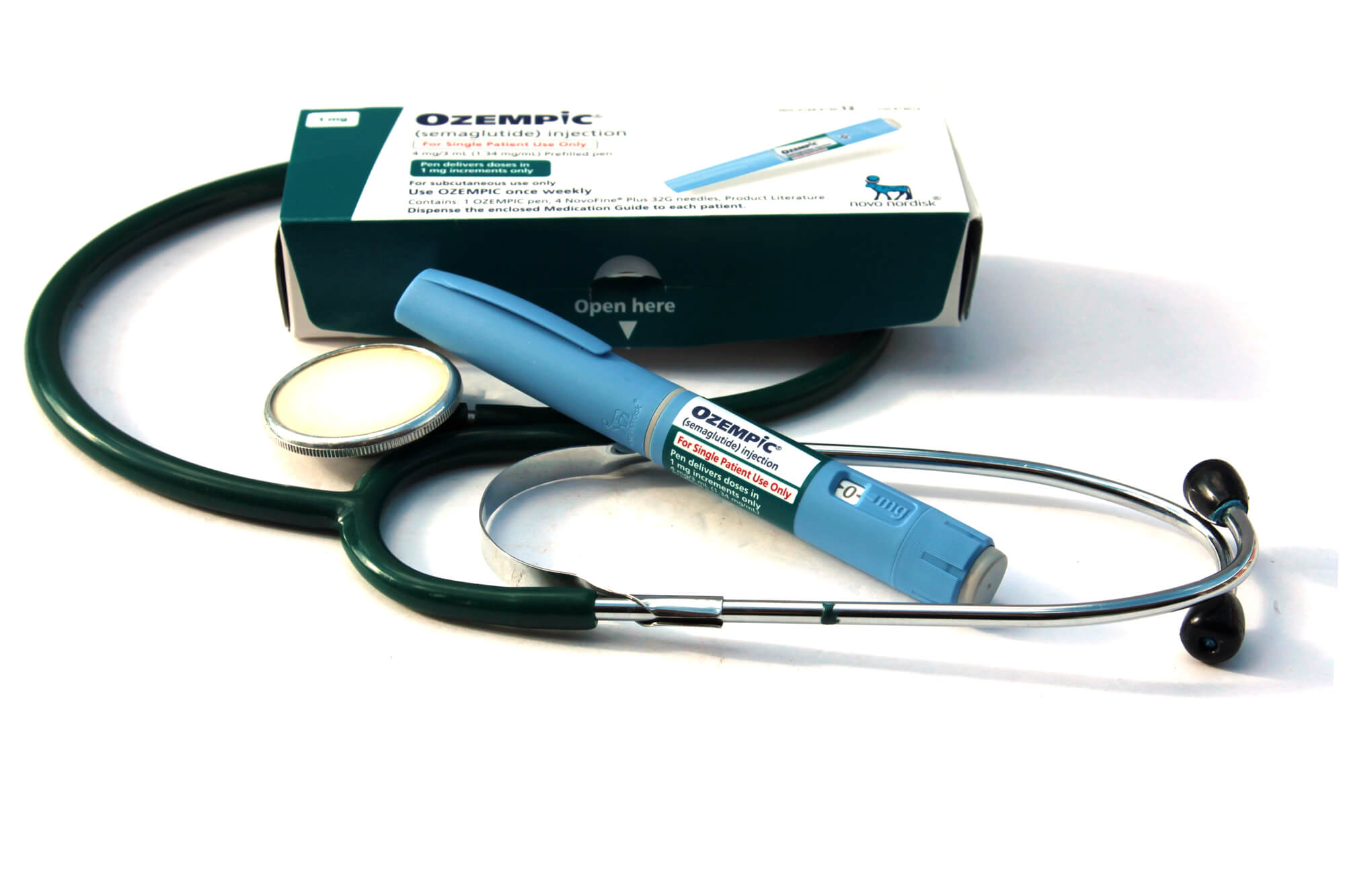
What a Structured Evaluation Should Look Like If Erections Change on a GLP-1
When erections change after starting Ozempic or another GLP-1, it is understandable to blame the injection first. In reality, the shot, your underlying health, other medications, and weight-loss stress usually interact.
Rather than adjusting doses on your own, it is safer to step back with a clinician who can look at all of those pieces at once.
A structured evaluation often includes:
- Building a clear timeline: start date, each dose change, when side effects and ED began, and what else shifted (sleep, alcohol, stress).
- Reviewing cardiovascular and metabolic risk: blood pressure, cholesterol, diabetes history, smoking, and family heart disease.
- Screening other medications: blood-pressure drugs, antidepressants, beta-blockers, and others that can affect erections.
- Ordering appropriate labs: morning testosterone, glucose or A1c, and lipids when indicated; thyroid measures and prolactin may be appropriate in selected cases.
- Deciding on adjustments together: discussing tolerability and dose changes with the GLP-1 prescriber, continuing appropriate metabolic treatment while treating ED directly, or reconsidering the overall strategy when medically justified.
A structured review helps guide decisions about metabolic and sexual health. At Boston Medical Group, identifying potential causes—not automatically blaming Ozempic—is the starting point for personalized ED care.
How Boston Medical Group Can Help If You’re Experiencing ED While Taking Ozempic
If you’re trying to balance GLP-1 injections, lab results, and a sex life that suddenly feels less predictable, it’s reasonable to want a clearer plan. You shouldn’t have to assume that your long-term heart and weight goals are incompatible with your sexual health.
Through The Boston Method®, Boston Medical Group takes an individualized approach to erectile dysfunction, considering your medical history, medications, symptoms, and underlying health factors before exploring appropriate treatment options.
A confidential virtual consultation can help you understand what may be contributing to your ED and how to address it without unnecessarily disrupting your metabolic treatment.
If you’ve noticed changes in your erections while taking Ozempic or another GLP-1 medication, consider booking a virtual appointment with Boston Medical Group. Do not stop or change prescribed medication without speaking with your prescribing clinician.