Call Us!
Blood testing plays an important role in diagnosing and treating many health conditions, including issues that affect men’s sexual health. Although many people associate blood tests with routine physical exams, a blood test can provide deeper insights into a person’s health, as blood serves as a transport system throughout the body, carrying oxygen, hormones, nutrients, and waste products between organs and tissues.
That is why examining a blood sample can provide physicians with important insights into a patient’s overall health and reveal valuable information about hormone levels, cardiovascular health, infections, and metabolic disorders that may contribute to sexual dysfunction.
When physicians evaluate concerns such as erectile dysfunction, premature ejaculation, or low libido, blood testing is often one of the first diagnostic steps.
Furthermore, in many cases, sexual dysfunction may be one of the earliest warning signs of a more serious health issue. For example, erectile dysfunction can sometimes indicate vascular dysfunction or the early stages of atherosclerosis.
Read on to learn more about how blood testing helps physicians develop personalized and effective treatment plans that address both sexual health concerns and overall well-being.
How Blood Works as the Body’s Information Highway
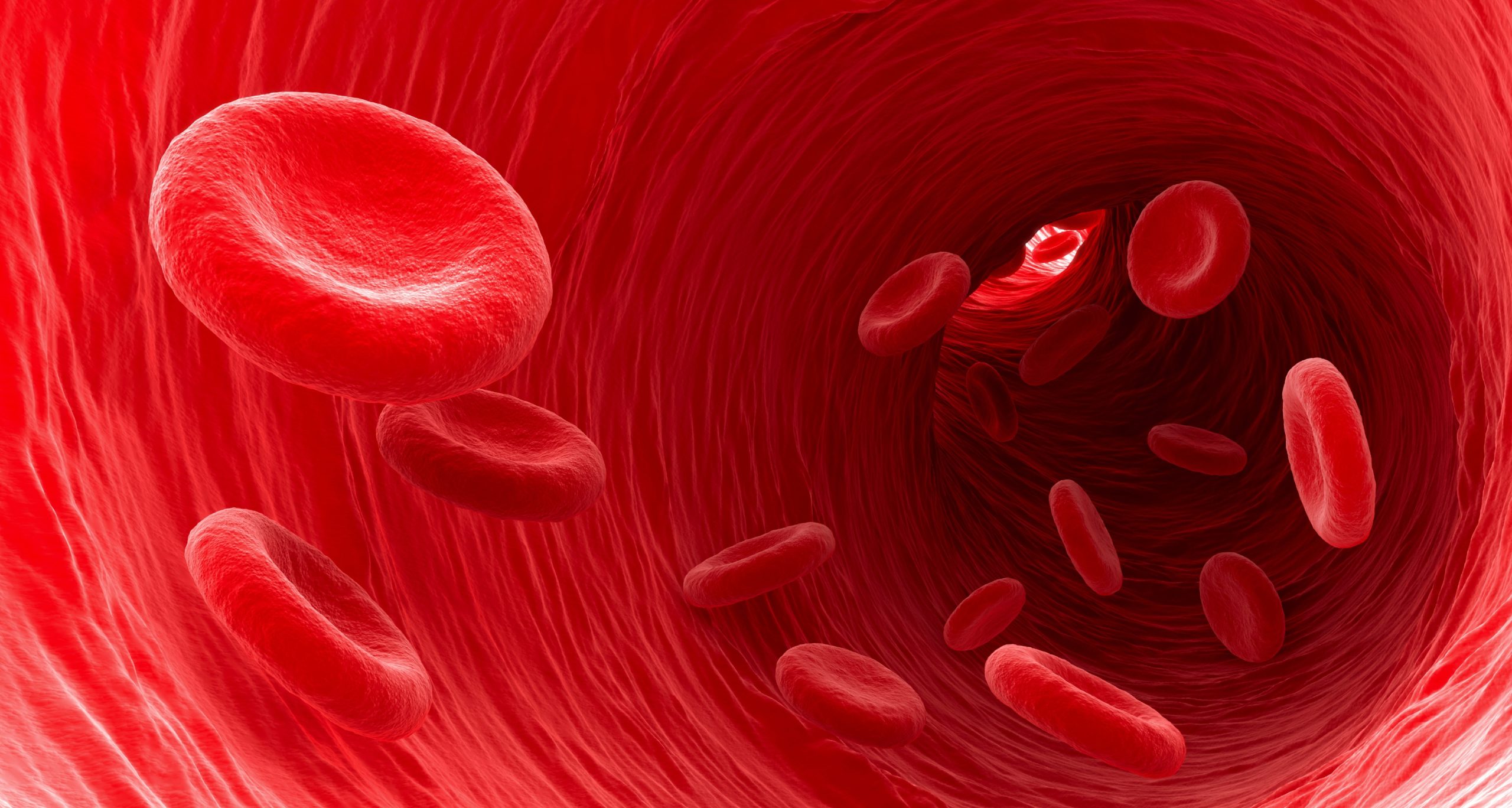
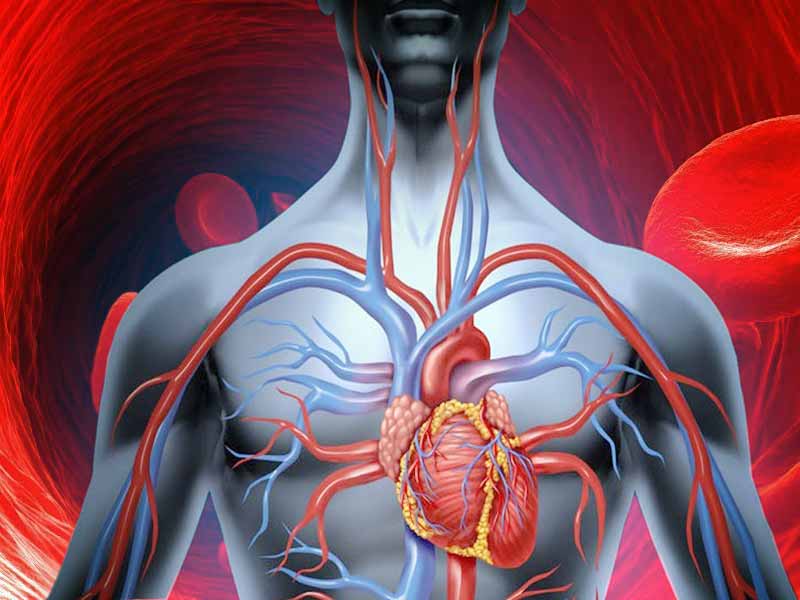
Blood is often described as the body’s information highway because it carries essential substances between different parts of the body. It delivers oxygen and nutrients to cells while removing metabolic waste products. Because blood circulates through every organ system, it provides a valuable snapshot of what is happening in every square inch of the body.
The Role of Blood Cells and Plasma
Human blood contains several important components that help physicians evaluate health. Each component plays a specific role in transporting oxygen, fighting infections, and maintaining normal bodily functions.
The main components of blood include:
- Red blood cells – These cells contain hemoglobin, a protein that allows red blood cells to transport oxygen from the lungs to tissues throughout the body. Oxygen delivery is essential for maintaining healthy organs, muscles, and nerves.
- White blood cells – These cells are a key part of the immune system and help the body fight infections caused by bacteria, viruses, and other pathogens.
- Platelets – Platelets help the blood clot when injuries occur, preventing excessive bleeding and supporting wound healing.
The liquid portion of blood is known as plasma, while serum refers to plasma without certain clotting proteins. These fluids contain many substances that laboratories analyze during blood testing, including:
- hormones
- proteins
- glucose
- electrolytes
- cholesterol and other biomarkers
Blood also transports waste products throughout the body. For example, carbon dioxide produced by cells is carried in the bloodstream primarily as bicarbonate ion before being removed through the lungs.
Just analyzing plasma and serum from a blood sample allows laboratories to measure these substances and help physicians detect early signs of disease.
What Happens During a Blood Test
Blood testing is typically a quick and routine procedure performed in a medical clinic or laboratory. Although the process is simple, it involves several important steps to ensure accurate results.
A typical blood test usually includes the following steps:
- Patient preparation: In some cases, patients may need to fast for several hours before the test. This is common for tests that measure cholesterol or glucose levels. Your healthcare provider will explain any preparation needed before your appointment.
- Blood sample collection: A healthcare professional collects a small blood sample, usually from a vein in the arm, using a sterile needle.
- Labeling and handling specimens: The blood sample is placed into specialized containers labeled according to the tests being ordered. These specimens are then prepared for laboratory analysis.
- Laboratory analysis: Once the sample reaches the laboratory, technicians may separate blood cells from the plasma or serum. The laboratory then measures specific substances within the sample.
- Results and physician review: The results are recorded on a blood test form and reviewed by the physician. The doctor interprets these findings alongside other information such as symptoms, medical history, and physical examination.
Modern testing services can analyze blood samples quickly and accurately, allowing physicians to identify potential health problems early and develop appropriate treatment plans.
Why Blood Testing Matters for Men’s Sexual Health
Sexual health is closely connected to overall health. Many medical conditions that affect circulation, hormone levels, or metabolic function can also affect sexual performance.
Blood testing helps physicians identify these conditions so that they can develop targeted treatments for sexual dysfunction.
Detecting Low Testosterone
Testosterone is the primary male sex hormone and plays a central role in sexual desire, erectile function, and overall vitality. Low testosterone levels can lead to a variety of symptoms, including reduced libido, fatigue, mood changes, and difficulty maintaining erections.
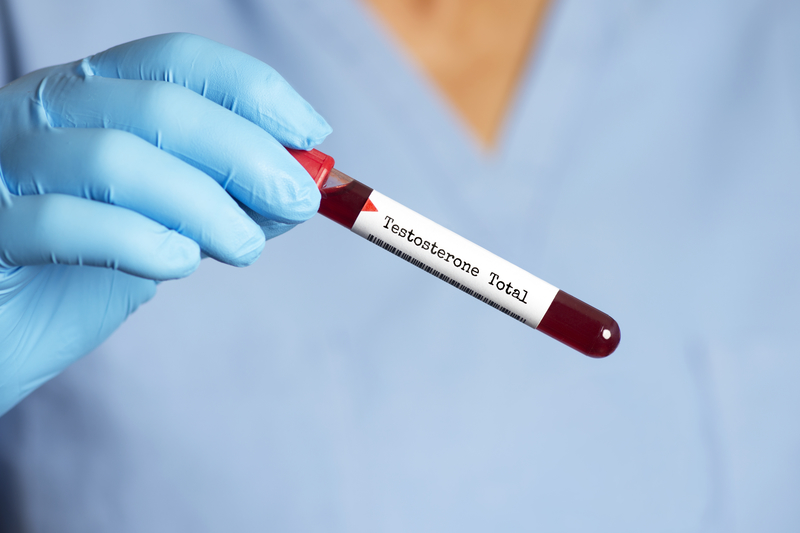
A blood test can measure testosterone levels in the bloodstream and help determine whether a patient may be experiencing low testosterone.
Identifying Cardiovascular Risk Factors
Blood tests can also reveal risk factors for cardiovascular disease, which is one of the most common underlying causes of erectile dysfunction.
Conditions such as atherosclerosis can narrow or block blood vessels, reducing the amount of blood flow that reaches the penis. Because erections depend on healthy blood circulation, vascular problems like heart disease can interfere with erectile function.
Detecting Diabetes and Metabolic Disorders
Diabetes mellitus is another common condition that can affect sexual health. High blood glucose levels can damage blood vessels and nerves over time, leading to erectile dysfunction.
Blood tests that measure glucose levels help physicians determine whether a patient may have diabetes or prediabetes.
Additionally, for some men, erectile dysfunction may be one of the first noticeable symptoms of diabetes. Early detection of diabetes is important because effective treatment can reduce complications and improve overall health.
Blood Tests for Sexually Transmitted Infections (STIs)
Blood testing is also used to screen for certain sexually transmitted infections (STIs) or to confirm sexually transmitted diseases (STDs). Early detection of STIs is important for protecting both individual health and public health.
Common STIs Identified Through Blood Testing
Several sexually transmitted infections can be detected through blood testing.
Examples include:
- syphilis
- genital herpes simplex virus infections
- human immunodeficiency virus (HIV)
Testing allows healthcare providers to diagnose infections even when symptoms are mild or not yet visible. Early STI or STD testing and detection can help prevent complications and reduce the risk of transmitting infections to sexual partners.
Public health organizations such as the Centers for Disease Control and Prevention recommend regular STI testing for individuals who may be at increased risk.
Other STI Testing Methods
Not all sexually transmitted infections are diagnosed through blood tests. Some infections require additional STD testing methods.
Common diagnostic tools may include:
- swab tests, including swabs from the urethra
- self-taken swab samples
- urine samples or urine tests
These methods are often used to detect infections such as:
- chlamydia trachomatis
- gonorrhea
- trichomoniasis
Healthcare providers may recommend a combination of testing methods depending on the patient’s symptoms, sexual history, and risk factors.
Other Tests Doctors May Use Alongside Blood Testing
Although blood testing is one of the most valuable tools for evaluating sexual health, it is usually only one part of a broader medical assessment. Physicians often combine blood test results with other STI testing or diagnostic methods to better understand a patient’s condition.
In addition to blood testing, healthcare providers may use several other types of diagnostic tools to evaluate sexual health concerns.
Common diagnostic methods include:
- Urine test: A urine sample may help detect infections, diabetes, or other metabolic conditions that affect sexual function.
- Swab tests: Urethral, genital, rectal, or oral swabs can help identify certain sexually transmitted infections that may not appear in blood tests.
- Sexual history review: Doctors may ask about sexual activity, partners, and symptoms in order to identify possible risk factors for sexually transmitted infections.
- Physical examination: A general health evaluation may include checking blood pressure, circulation, and other indicators of cardiovascular health.
In some specialized cases, additional procedures may be used to investigate neurological conditions that affect sexual function. For example, a lumbar puncture may sometimes be performed to analyze cerebrospinal fluid when certain neurological disorders are suspected.
These combined diagnostic approaches allow healthcare providers to gain a clearer picture of a patient’s health and identify potential causes of sexual dysfunction.
How Blood Test Results Guide Erectile Dysfunction Treatment
Blood testing is particularly important when evaluating erectile dysfunction because many underlying health conditions can affect blood flow, hormone levels, and nerve function.
When physicians review blood test results, they may look for indicators such as:
- hormone levels, including testosterone
- cholesterol levels associated with cardiovascular disease
- blood glucose levels that may indicate diabetes mellitus
- markers of inflammation or infection
Identifying these issues allows healthcare providers to tailor treatment plans to the specific needs of each patient.
Hormone-Based Treatments
If blood testing reveals low testosterone levels, doctors may recommend treatments designed to restore hormonal balance.
Low testosterone can contribute to:
- reduced libido
- fatigue and decreased energy
- difficulty maintaining erections
Lifestyle and Medical Treatments
Blood test results may also reveal broader health conditions that influence sexual performance.
For example:
- High cholesterol may indicate an increased risk of atherosclerosis, which can restrict blood flow to the penis.
- Elevated glucose levels may indicate diabetes mellitus, which can damage nerves and blood vessels involved in erections.
- Cardiovascular markers may reveal early signs of vascular dysfunction.
When these conditions are detected early, doctors can recommend lifestyle changes, medications, or other treatments that improve both overall health and sexual function.
Overview of Common Blood Tests for Sexual Health
| Blood Test | What It Measures | Why It Matters for Sexual Health |
| Testosterone test | Levels of testosterone | Low testosterone can contribute to reduced libido, erectile dysfunction, and fatigue |
| Lipid panel | Cholesterol and triglyceride levels | High cholesterol may increase the risk of atherosclerosis and reduced blood flow |
| Glucose test | Blood sugar levels | Elevated glucose may indicate diabetes mellitus, which can damage blood vessels and nerves |
| STI testing | Antibodies or markers of infections such as syphilis or herpes | Identifies sexually transmitted infections that may affect reproductive health |
| Complete blood count (CBC) | Red blood cells, white blood cells, and platelets | Helps identify infections, anemia, and other conditions affecting overall health |
These tests allow healthcare providers to identify both sexual health concerns and broader medical issues that may influence sexual performance.