Call Us!
Erectile dysfunction is often treated as a bedroom problem, but in many cases, it starts much earlier and deeper: in the blood vessels.
An erection depends on healthy blood flow to the penis. When a man becomes sexually aroused, the penile arteries relax and widen, allowing blood to move into the erectile tissue.
That process depends heavily on vascular health, healthy blood pressure, balanced hormones, and well-functioning nerves.
That is where your diet matters.
Certain foods and healthier eating patterns, including the Mediterranean diet, may help support better blood flow, reduce inflammation, protect blood vessels, support testosterone levels, and lower the risk factors commonly linked to erectile dysfunction, including diabetes and cardiovascular disease.
Still, it is important to be clear: foods that help erectile dysfunction are not magic cures.
Spinach, nuts, fish, watermelon, garlic, eggs, or mixed vegetables will not replace medical treatment when ED is caused by diabetes, coronary artery disease, nerve damage, low testosterone, medication side effects, or other underlying conditions. But diet can be a powerful part of a broader sexual health plan.
For many men, the best approach is simple: eat to perform.
Why Diet Matters for Erectile Function
Since we all know that we are what we eat, it shouldn’t come as a surprise to realize our sexual function also depends on our diet.
How a man’s eating habits affect his erections is actually answered in several ways.
Erections Depend on Blood Flow
The penis is highly vascular, meaning it depends on healthy blood vessels to function properly. The penile arteries are smaller than many other arteries in the body so that they may show signs of vascular trouble earlier than the heart. That is one reason erectile dysfunction can sometimes appear before a diagnosis of heart disease or coronary artery disease.
When blood vessels stiffen, narrow, or lose their ability to relax, blood flow to the penis can decline. This can make it harder to get or maintain an erection firm enough for sex.
Diet influences this process in several ways. A diet rich in leafy greens, fish, nuts, fruits, whole grains, and healthy fats may support blood vessel function. A diet high in processed foods, excess sugar, alcohol, and unhealthy fats may contribute to obesity, diabetes, high blood pressure, and poor vascular health.
The American Urological Association recommends counseling men with ED and related health conditions that lifestyle changes, including diet and physical activity, can improve overall health and may improve erectile function.
Nitric Oxide: The “Relaxation Signal” Behind an Erection
Nitric oxide helps blood vessels relax. When nitric oxide signaling works well, blood can flow more easily into the penis during arousal.
Several nutrients may support nitric oxide pathways, including:
- Nitrates from leafy greens such as spinach, arugula, kale, and collard greens
- Arginine, an amino acid found in nuts, fish, poultry, legumes, and some seeds
- Antioxidants and phytochemicals from berries, citrus fruits, watermelon, tomatoes, and mixed vegetables
This does not mean one food automatically creates a stronger erection. It means a nutrient-dense diet may support the vascular conditions needed for better erectile function.
The Link Between ED, Diabetes, Obesity, and Heart Disease
Erectile dysfunction is strongly connected to metabolic and cardiovascular health.
- Men with diabetes may develop ED because high blood sugar can damage blood vessels and nerves involved in erections.
- Obesity can increase inflammation, reduce testosterone, worsen insulin resistance, and make cardiovascular disease more likely.
- Hypertension can damage the arteries and reduce blood flow throughout the body, including to the penis.
This is why ED should not be ignored or treated only as a sexual inconvenience. Persistent erectile dysfunction can be a signal that the body needs a closer look.
At Boston Medical Group Telemedicine, men’s sexual health is approached through personalized evaluation, diagnosis, and treatment planning, especially for men dealing with ED, premature ejaculation, low testosterone, diabetes-related ED, or ED that has not responded well to standard medications.
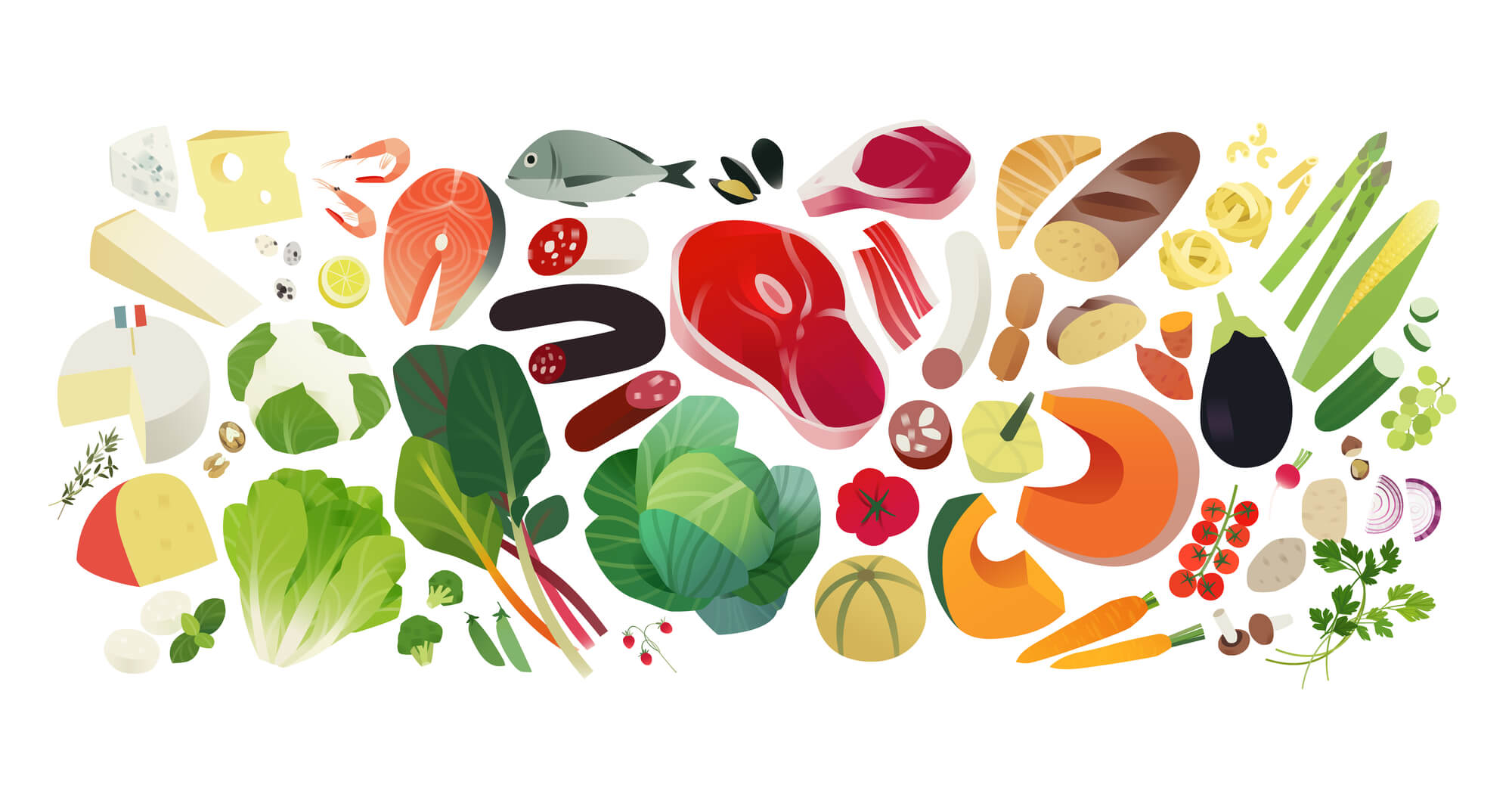
Foods That Help Erectile Dysfunction
Leafy Greens: Spinach, Collard Greens, Kale, and Arugula
Leafy greens are among the most useful foods for vascular health because they contain natural nitrates, antioxidants, magnesium, folate, lutein, iron, and other phytochemicals.
Spinach deserves special mention. As Popeye’s favorite food, spinach has a reputation for strength, and while it will not create instant sexual performance, it does support the kind of circulation men need for healthy erections.
Good options include:
- Spinach
- Collard greens
- Kale
- Arugula
- Swiss chard
- Romaine lettuce
- Mixed vegetables with dark leafy greens
These foods may help support nitric oxide production, improve blood vessel relaxation, and contribute to better overall cardiovascular health.
Fatty Fish: Salmon, Sardines, Tuna, and Mackerel
Fish, especially fatty fish, is a smart choice for men concerned about erectile dysfunction. Salmon, sardines, tuna, and mackerel contain omega-3 fatty acids, which support heart health, vascular health, and healthy inflammation levels.
Because erections depend on blood flow, anything that supports cardiovascular function may also support sexual health. Research on healthy dietary patterns often highlights fish and long-chain omega-3 fatty acids as part of diets associated with lower ED risk.
Sardines are especially practical because they are rich in omega-3 fatty acids, protein, vitamin D, and minerals.
For men trying to improve their diet without overcomplicating meal planning, adding fish two or more times per week is a strong starting point.
Nuts: Arginine, Zinc, and Healthy Fats
Nuts are another important category of foods that help with erectile dysfunction because they contain heart-healthy fats, antioxidants, arginine, magnesium, and, in some cases, zinc.
Strong choices include:
- Walnuts
- Pistachios
- Almonds
- Brazil nuts
- Pecans
Arginine matters because the body transforms it into L-arginine and uses it to help produce nitric oxide. Zinc also plays a role in testosterone metabolism, sperm production, prostate health, and broader men’s health.
Nuts are also a core part of the Mediterranean diet, which has been studied for its relationship with erectile function and cardiovascular health. A review on Mediterranean dietary patterns and urologic conditions found evidence supporting its role in preventing and improving erectile dysfunction.
Fruits Rich in Antioxidants: Watermelon, Berries, Citrus, and Tomatoes
Antioxidants help protect blood vessels from oxidative stress. That matters because damaged blood vessels are less able to deliver strong blood flow to the penis.
Good fruit and plant-based choices include:
- Watermelon
- Blueberries
- Strawberries
- Oranges
- Grapefruit
- Pomegranate
- Tomatoes
Watermelon contains citrulline, which is related to arginine and nitric oxide pathways.
Tomatoes contain lycopene, a carotenoid often discussed in relation to prostate health.
Berries and citrus fruits contain flavonoids, a group of phytochemicals studied for cardiovascular benefits.
A study from Harvard published in the American Journal of Clinical Nutrition examined dietary flavonoid intake and erectile dysfunction, and noted that physically active men with higher flavonoid intake had the lowest ED risk.
Olive Oil and the Mediterranean Diet: One of the Best Eating Patterns for Men’s Health
When experts discuss foods that help erectile dysfunction, they often focus on individual nutrients. However, research increasingly suggests that overall dietary patterns may matter more than any single food.
One eating pattern consistently linked to better cardiovascular health, vascular health, and men’s health is the Mediterranean diet.
The Mediterranean diet emphasizes:
- Fish and seafood
- Nuts and seeds
- Virgin olive oil
- Fruits and vegetables
- Leafy greens
- Beans and legumes
- Whole grains
- Moderate portions of lean protein
At the same time, it limits highly processed foods, excess sugar, and unhealthy fats that can contribute to obesity, diabetes, hypertension, and cardiovascular disease.
This approach is particularly important because erectile dysfunction and heart disease share many of the same underlying causes. In fact, the penile arteries are smaller than the coronary arteries, which means symptoms of reduced blood flow may appear in the penis before they appear elsewhere in the body.
Studies published in journals including the Journal of Urology and the American Journal of Clinical Nutrition have found associations between healthier dietary patterns and lower rates of erectile dysfunction. Researchers believe these benefits stem from improved blood vessel function, reduced inflammation, better blood pressure control, and improved nitric oxide availability.
Simply put, the Mediterranean diet supports the systems that make erections possible.
Foods and Habits That May Worsen Erectile Dysfunction
Just as certain foods may support healthy blood flow, others may contribute to the conditions that make ED more likely.
Excessive Alcohol Consumption
Many men are familiar with the short-term effects of alcohol on sexual performance.
While a drink or two may help some people relax, excessive alcohol can interfere with:
- Erectile function
- Testosterone production
- Nerve signaling
- Overall sexual performance
Long-term heavy alcohol consumption may also increase the risk of hypertension, obesity, liver disease, and cardiovascular problems that contribute to erectile dysfunction.
Processed Foods and Added Sugars
Highly processed foods, whether they’re processed meats or grain products, often contain:
- Excess calories
- Refined carbohydrates
- Added sugars
- Unhealthy fats
- Little to no fiber content
Over time, these dietary habits can increase the risk of:
- Obesity
- Diabetes
- High blood pressure
- Cardiovascular disease
Conditions that are all closely associated with erectile dysfunction.
Diets High in Saturated and Trans Fats
Diets high in unhealthy fats may contribute to plaque buildup within blood vessels.
As arteries become narrower and less flexible, blood flow becomes less efficient. This can affect circulation throughout the body, including circulation to the penis.
Because erections rely on healthy blood vessels, protecting cardiovascular health remains one of the most effective long-term strategies for supporting erectile function.

Beyond Food: Lifestyle Changes That Support Better Erections
A healthy diet plays a critical role in erectile health, but it is only one piece of the puzzle. Dietary patterns that improve cardiovascular health also support erectile function, and a heart-healthy diet built around whole foods, leafy greens, extra virgin olive oil, dark chocolate, fatty fish, eating nuts, pine nuts, berries, and citrus fruits can meaningfully improve ed symptoms over time. Research suggests that higher intake of foods rich in flavonoids, nitrates, omega-3 fatty acids, zinc, vitamin c, and L-arginine from meats supports the vascular system and helps increase blood flow to sexual organs. Berries and citrus fruits are rich in flavonoids that lower the incidence of erectile dysfunction, dark chocolate contains flavonoids that may enhance nitric oxide levels, and olive oil is associated with better testosterone production and heart health. Nuts and seeds are high in arginine which helps maintain blood vessel health, leafy greens are high in nitrates which improve circulation, and fatty fish provide omega-3 fatty acids that boost nitric oxide and improve heart health. Zinc regulates testosterone and improves blood flow to sex organs, and zinc helps regulate testosterone and improve blood flow more broadly across the vascular system. Foods high in saturated fats, refined grains, red meat, and processed meats may damage blood vessels and worsen erectile dysfunction over time, and too much alcohol compounds vascular damage and reduces sperm quality and sperm count alongside its direct effects on erectile function.
Physical Activity and Weight Management
Regular exercise helps improve:
- Blood flow and circulation to sexual organs
- Cardiovascular health and vascular system function
- Blood pressure control and the ability to lower blood pressure naturally
- Insulin sensitivity and metabolic health closely linked to ed symptoms
Exercise can also help improve sperm quality, boost testosterone levels, and help reduce obesity, which is a major risk factor for erectile dysfunction. Research suggests that regular physical activity and maintaining a healthy weight improve erectile function, and a systematic review and meta analysis of the evidence consistently supports exercise as one of the most effective lifestyle interventions available to treat erectile dysfunction without medication. Organizations and campaigns such as Movember continue to emphasize the importance of physical activity as part of a broader men’s health strategy, and health professionals and the national institute of digestive and kidney diseases both recognize physical activity as playing a critical role in long-term erectile health.
Managing Diabetes and High Blood Pressure
Men with diabetes and hypertension are significantly more likely to experience erectile dysfunction. Managing these conditions through a healthy diet, exercise, quitting smoking, and even medication if necessary can help lower blood pressure, reduce further damage to blood vessels and nerves, and improve circulation throughout the vascular system. Research suggests from a current perspective that dietary improvements combined with lifestyle changes represent some of the most accessible treatment options available before more intensive treatment offerings are considered, and a follow up study approach to monitoring ed symptoms helps health professionals tailor treatment plans over time.
Pelvic Floor Muscle Training
Many men are surprised to learn that strengthening the pelvic floor may help improve erectile health and sexual pleasure. Pelvic floor muscle training, often called Kegels or Kegel exercises, was once thought to be useful only for women’s health, but the truth is that it also targets the muscles involved in urinary control and erectile function in men. Some studies have found that pelvic floor rehabilitation may help certain men improve erectile function and sex life quality when combined with other lifestyle changes including a healthy diet and regular exercise.
Sleep and Hormone Health
Modern life has severely altered sleep patterns for many people in negative ways. Either because of excessive screen use, sedentary lifestyles, or anxiety from being hyper-connected to the internet all day, people are struggling to get enough quality sleep. Quality sleep plays a critical role in a man’s health for several reasons, which is why poor sleep can negatively affect:
- Testosterone production and the ability to boost testosterone levels naturally
- Energy levels and overall sex drive
- Mood and psychological contributors to ed symptoms
- Sexual desire and interest in sexual intercourse
Men who consistently sleep poorly may experience hormonal changes that affect erections, sperm count, sperm quality, and overall erectile health. Research suggests that addressing sleep quality is one of the most underappreciated treatment options available to men looking to treat erectile dysfunction through lifestyle changes alone.
What About Caffeine?
Research on caffeine and erectile dysfunction remains mixed. Moderate caffeine intake may support circulation and increase blood flow in some individuals, but caffeine should not be viewed as a treatment for ed or as having the same effect as the following foods and lifestyle changes that systematic review and meta analysis evidence consistently supports. The bigger picture remains far more important than any single beverage or supplement.
Can Diet Reverse Erectile Dysfunction?
One of the most common questions men ask is whether changing their diet can reverse erectile dysfunction. The answer depends on the underlying cause. For men whose ed symptoms are related to:
- Obesity
- Poor cardiovascular health
- High blood pressure
- Early diabetes
- Sedentary lifestyle habits
Dietary improvements including higher intake of whole foods, extra virgin olive oil, dark chocolate, eating nuts, pine nuts, leafy greens, and foods rich in zinc, vitamin c, and L-arginine from meats, combined with lifestyle changes and quitting smoking, may lead to meaningful improvements in erectile function and overall sex life quality. Research suggests that the health benefits of following foods associated with a Mediterranean-style healthy diet extend directly to erectile health through their effects on the vascular system, circulation, and the ability to boost testosterone levels naturally.
However, some cases of ed involve more complex causes, including:
- Advanced vascular disease
- Nerve damage
- Hormonal disorders including digestive and kidney diseases that affect absorption of key nutrients
- Medication side effects
- Psychological factors
In these situations, a healthy diet alone may not be enough even if it remains a key component of any treatment. Medical evaluation remains essential for identifying the root cause of erectile dysfunction and determining the most appropriate treatment plan, and health professionals at Boston Medical Group Telemedicine can help identify the right combination of treatment options and treatment offerings to treat erectile dysfunction based on each patient’s current perspective, symptoms, and health profile.
When to Seek Professional Help for Erectile Dysfunction
If erectile dysfunction becomes persistent or begins affecting your quality of life, it is important to seek professional medical care.
Modern ED treatment may include:
- Lifestyle modifications
- Management of diabetes or hypertension
- Testosterone evaluation when appropriate
- Oral medications such as sildenafil or Tadalafil
- Intracavernosal Pharmacotherapy (ICP)
- Vacuum erection devices (penis pumps)
- Pelvic floor rehabilitation
- Advanced medical therapies
The key is accurately diagnosing the cause.
At Boston Medical Group Telemedicine, physicians focus on diagnosing and treating the underlying causes of erectile dysfunction rather than simply masking symptoms. Through personalized treatment plans, men can receive confidential care designed to address their unique health needs and sexual health goals.
Build a Diet That Supports Better Sexual Health
There is no single food that cures erectile dysfunction.
However, the evidence suggests that a diet rich in leafy greens, fish, nuts, fruits, vegetables, healthy proteins, and Mediterranean diet staples can support the blood vessels, hormones, and cardiovascular systems that make healthy erections possible.
Foods such as spinach, sardines, watermelon, shellfish, eggs, garlic, nuts, and other nutrient-dense options provide antioxidants, arginine, omega-3 fatty acids, zinc, lycopene, iron, and other compounds that contribute to overall vascular health and men’s health.
Just as important, limiting excess alcohol, processed foods, and unhealthy fats can help reduce the risk factors most commonly associated with erectile dysfunction.
The goal is not simply to eat for better erections.
The goal is to eat for better health.
And when your heart, blood vessels, hormones, and metabolism are functioning at their best, your sexual health often benefits as well.
If you’re experiencing erectile dysfunction despite making healthy lifestyle changes, Boston Medical Group Telemedicine can help identify the underlying cause and develop a personalized treatment strategy designed to restore confidence, performance, and quality of life.