Call Us!
Questions About Impotence Symptoms?
Erectile dysfunction (ED), also known as impotence, is one of the most common sexual health conditions affecting men. Although the likelihood of developing ED increases with age, it isn't an inevitable part of getting older, and it can affect younger men as well. Fortunately, many cases are treatable once the underlying cause is identified.
Most men experience occasional difficulty getting or maintaining an erection from time to time. Fatigue, stress, alcohol consumption, or temporary anxiety can all interfere with sexual performance. However, when these problems become persistent or begin affecting your confidence, relationships, or ability to enjoy intimacy, they may be signs of erectile dysfunction.
Because ED can sometimes be linked to underlying health conditions such as high blood pressure, diabetes, heart disease, low testosterone, or vascular disease, recognizing the symptoms early is important. Seeking medical evaluation not only helps improve sexual function but may also uncover health issues that benefit from prompt treatment.
In this article, we'll discuss the most common symptoms of impotence, explain what may be causing them, and help you understand when it's time to seek professional care.
The Most Common Symptoms of Impotence
Erectile dysfunction doesn't always appear suddenly. For many men, symptoms develop gradually and become more noticeable over time. While every individual is different, the following are among the most common signs of impotence.
Difficulty Achieving an Erection
One of the earliest and most recognizable symptoms of erectile dysfunction is difficulty getting an erection despite feeling sexually aroused.
Normally, sexual stimulation causes the nerves and blood vessels within the penis to work together, increasing blood flow and producing an erection. When this process is disrupted, whether by poor circulation, nerve damage, changes in hormone levels, medication side effects, or psychological factors, it may become difficult to achieve an erection firm enough for sexual activity.
Occasional difficulty isn't unusual and usually isn't a cause for concern. However, if this problem occurs regularly or becomes progressively worse, it may indicate erectile dysfunction that should be evaluated by a healthcare professional.
Difficulty Maintaining an Erection
Some men have no trouble getting an erection but struggle to maintain it long enough for satisfying intercourse.
This symptom often occurs when blood doesn't remain trapped within the erectile tissue of the penis, causing the erection to soften before or during sexual activity. Conditions that affect blood vessels—including high cholesterol or blood pressure, diabetes, and cardiovascular disease—can reduce healthy blood flow and contribute to this problem.
Losing an erection occasionally happens to nearly every man. Persistent difficulty maintaining an erection, however, is one of the hallmark symptoms of ED and deserves medical attention.
Erections That Aren't as Firm as They Used to Be
Not every case of erectile dysfunction involves a complete inability to achieve an erection.
Many men first notice that their erections gradually become less firm or don't reach the level of hardness they once did. Erections may still occur, but they may not be rigid enough for comfortable or satisfying intercourse.
Because erection quality depends on healthy blood flow into the penis's corpora cavernosa (penile tissue), changes in firmness are often among the earliest signs of vascular erectile dysfunction. Damage to blood vessels caused by aging, tobacco use, high blood pressure, diabetes, or atherosclerosis can gradually reduce circulation within the penis, making erections weaker over time.
If you've noticed a consistent decline in erection hardness, it's worth discussing the change with your healthcare provider rather than assuming it's simply a normal part of aging.
Reduced Interest in Sexual Activity
Although erectile dysfunction and low libido are different conditions, they sometimes occur together.
Libido refers to sexual desire, while erectile dysfunction refers to the physical ability to achieve or maintain an erection. A man may have a healthy sex drive but struggle with erections, or he may experience both reduced desire and erectile dysfunction simultaneously.
Several factors can contribute to decreased sexual interest, including:
- Low testosterone levels
- Depression
- Chronic stress
- Anxiety
- Certain medications, including some antidepressants
- Poor sleep
- Underlying health problems
Understanding whether reduced sexual desire, erectile dysfunction, or both are contributing to your symptoms helps physicians develop the most appropriate treatment plan.
Other Symptoms That May Occur Alongside Erectile Dysfunction
Erectile dysfunction doesn't affect only the body. It can also influence a man's mental health, where their emotional well-being, relationships, and overall quality of life are put at risk.
While these issues aren't considered symptoms of impotence itself, they frequently occur alongside ED and can become part of a frustrating cycle if left unaddressed.
Anxiety About Sexual Performance
It's common for men who experience any form of sexual dysfunction to develop anxiety before sexual activity.
After one or two unsuccessful experiences, some men begin worrying that the problem will happen again. This anticipation can increase stress levels and make it even more difficult to achieve or maintain an erection, creating what's often referred to as a cycle of performance anxiety.
Even when the original cause of ED is physical, anxiety can become an additional contributing factor over time.
Reduced Self-Esteem and Confidence
Because sexual health is closely tied to confidence for many men, erectile dysfunction can affect self-esteem in ways that extend beyond the bedroom.
Some men begin questioning their masculinity or sexual performance, while others withdraw from dating or intimate relationships altogether. Feelings of embarrassment, frustration, or inadequacy are common, especially when symptoms persist without treatment.
It's important to remember that erectile dysfunction is a medical condition, not a personal failure, and effective treatment is available for many men.
Relationship Problems
Persistent erectile dysfunction can create tension within even the strongest relationships.
Without open communication, partners may misunderstand the situation, sometimes assuming that reduced sexual activity reflects a lack of attraction or emotional connection.
In reality, many men with ED continue to experience normal sexual desire but become anxious about intimacy because they're concerned about disappointing their partner.
Honest conversations, couples or sex therapy, and appropriate medical care can often help couples navigate these challenges while restoring confidence and intimacy.
Premature Ejaculation Can Occur Alongside ED
Although premature ejaculation (PE) and erectile dysfunction are separate conditions, they frequently occur together.
Some men develop premature ejaculation because they rush intercourse before losing their erection. Others experience both conditions due to shared physical or psychological factors, including anxiety, stress, diabetes, or certain medical conditions.
Because treatment approaches differ for ED and premature ejaculation, an accurate diagnosis is essential. A healthcare provider can determine whether one condition, both conditions, or another underlying health issue is contributing to your symptoms.
What Causes the Symptoms of Impotence?
Erectile dysfunction is rarely a disease by itself, as it's often a symptom of another physical or mental health condition. That's why identifying the underlying cause is one of the most important steps in developing an effective treatment plan.
For many men, erectile dysfunction results from a combination of factors rather than a single cause.
Physical Health Conditions
Many common medical conditions interfere with the nerves, hormones, or blood vessels needed to produce and maintain healthy erections.
Some of the most common physical causes include:
- High blood pressure
- Diabetes
- Cardiovascular disease
- Atherosclerosis (hardening of the arteries)
- Low testosterone levels
- Nerve or spinal cord injuries
- Neurological conditions like multiple sclerosis
- Enlarged prostate or other prostate conditions
Because erections depend on healthy blood flow, conditions that damage blood vessels often have one of the greatest effects on erectile function. In some cases, erectile dysfunction may even be one of the earliest warning signs of an underlying cardiovascular condition.
Psychological Factors
Emotional and mental health also play an important role in sexual function.
Stress, anxiety, depression, and relationship difficulties can all affect sexual arousal and make it more difficult to achieve or maintain an erection. Even when erectile dysfunction begins with a physical cause, frustration or performance anxiety can sometimes make symptoms worse over time, and also develop psychogenic erectile dysfunction.
For many men, successfully treating ED involves addressing both physical and psychological factors.
Lifestyle Factors
Daily habits can significantly influence both sexual health and overall wellness.
Several lifestyle choices are known to increase the risk of erectile dysfunction, including:
- Smoking cigarettes or using other tobacco products
- Drinking too much alcohol
- Physical inactivity
- Excess body weight or an elevated body mass index (BMI)
- Poor nutrition
- Inadequate sleep
The encouraging news is that many of these risk factors are modifiable. Adopting healthier habits often benefits not only erectile function but also cardiovascular health, energy levels, and overall quality of life.
Medication Side Effects
Some prescription medications may contribute to erectile dysfunction as a side effect.
Examples include:
- Antidepressants
- Blood pressure medications
- Hormonal therapies
- Medications used to treat prostate conditions
If you suspect a medication is affecting your sexual function, don't stop taking it without first speaking with your healthcare provider. Your physician may be able to adjust your treatment or recommend alternatives that better fit your needs.
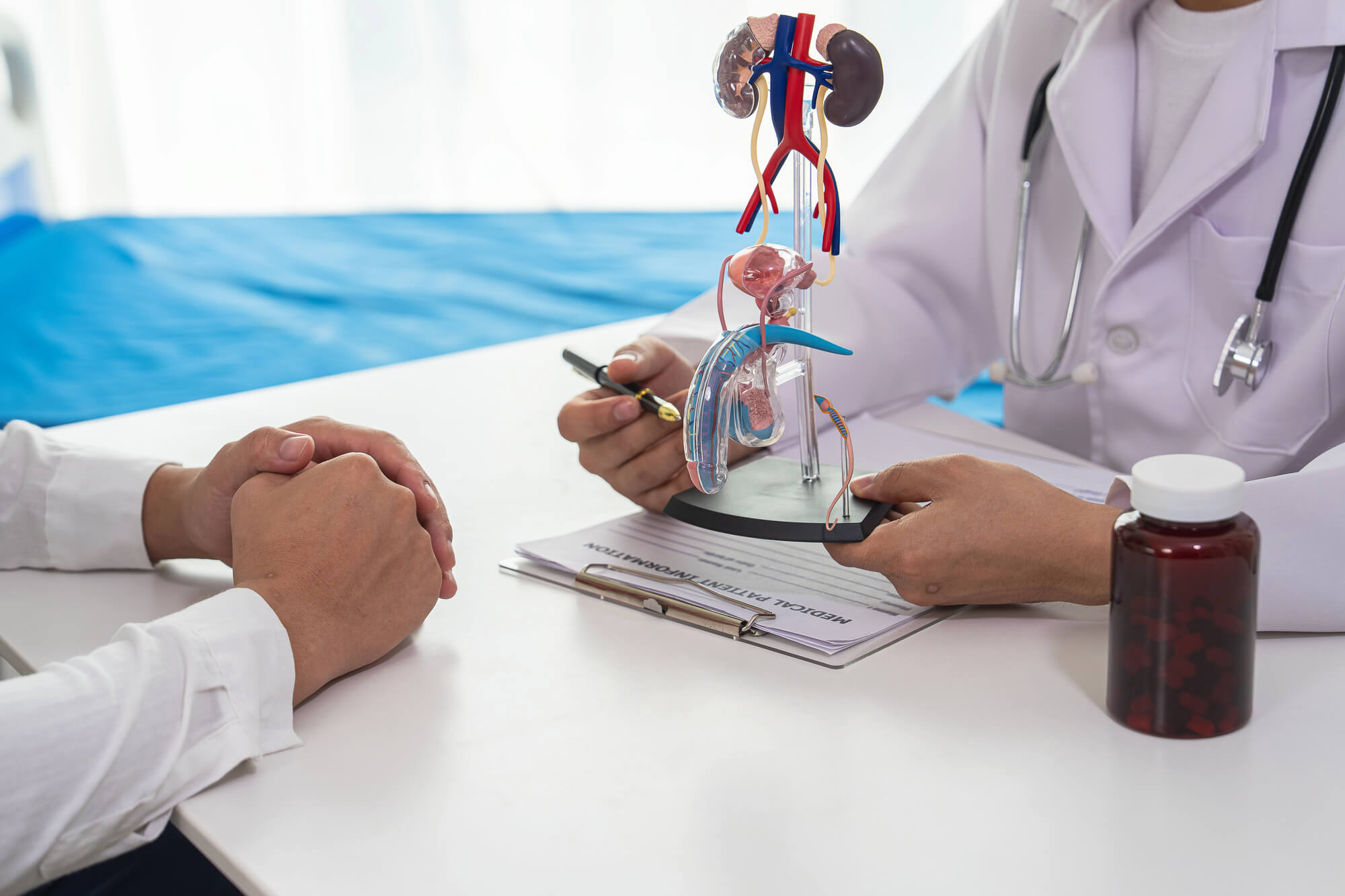
When Should You See a Healthcare Provider?
While occasional erection problems are common, persistent symptoms shouldn't be ignored.
Consider scheduling an appointment if you:
- Regularly have difficulty getting or maintaining an erection.
- Notice your erections have become consistently less firm.
- Experience symptoms for several weeks or longer.
- Feel that erectile dysfunction is affecting your confidence or relationships.
- Have diabetes, high blood pressure, heart disease, or another chronic health condition.
- Suspect your medications may be contributing to ED.
Seeking care early can help identify underlying medical conditions before they become more serious. It also allows you to discuss treatment options that may improve both your sexual health and your overall well-being.
During your evaluation, a healthcare provider, such as a urologist or men's sexual health specialist from Boston Medical Group Telemedicine, will typically review your medical history, sexual history, current medications, lifestyle habits, and any existing health conditions.
Blood tests or other diagnostic studies may also be recommended to better understand the cause of your symptoms.
How Erectile Dysfunction Is Diagnosed and Treated
Because erectile dysfunction can have many different causes, treatment is highly individualized.
After identifying the underlying cause, your healthcare provider may recommend one or more treatment options.
Lifestyle Changes
For many men, improving overall health can lead to noticeable improvements in erectile function.
Treatment often begins with recommendations such as:
- Increasing physical activity
- Following a heart-healthy diet
- Losing excess weight when appropriate
- Quitting smoking
- Reducing alcohol consumption
- Managing stress
- Improving sleep habits
These changes can improve blood flow, support healthier blood vessels, and reduce many of the risk factors associated with erectile dysfunction.
Oral Medications
One of the most common treatments for ED is a class of medications known as phosphodiesterase-5 or PDE-5 inhibitors.
These medications improve blood flow to the penis during sexual stimulation and include:
- Sildenafil (Viagra®)
- Tadalafil (Cialis®)
- Vardenafil (Levitra®)
- Avanafil (Stendra®)
While these medications are effective for many men, they aren't appropriate for everyone. Your healthcare provider will determine whether they're safe based on your medical history and any medications you're currently taking.
Additional Treatment Options
When oral medications aren't effective or aren't recommended, other treatments may be considered.
Depending on the cause of erectile dysfunction, these may include:
- Intracavernosal injections (ICP)
- Testosterone replacement therapy for appropriately selected men with low testosterone
- Surgical options, including penile implants, are available for severe cases that haven't responded to other treatments.
- Vacuum erection devices (vacuum pumps)
The right treatment depends on your individual needs, overall health, and treatment goals.
How Boston Medical Group Telemedicine Can Help
At Boston Medical Group Telemedicine, erectile dysfunction is viewed as a medical condition that deserves a comprehensive evaluation.
During your confidential consultation, a physician will review your symptoms, medical history, sexual history, current medications, and overall health to better understand what's contributing to your erectile dysfunction. This personalized approach helps identify the source of your symptoms.
Based on your evaluation, your physician can recommend an individualized treatment plan designed to improve erectile function while supporting your long-term sexual health and overall wellness.
Through Boston Medical Group's convenient telemedicine platform, expert care is available from the privacy and comfort of your home, making it easier than ever to take the first step toward addressing erectile dysfunction.
Don't Ignore the Warning Signs of Erectile Dysfunction
The common symptoms of impotence include difficulty achieving an erection, difficulty maintaining an erection, and erections that aren't firm enough for satisfying sexual activity. Some men also experience reduced sexual desire, performance anxiety, lower self-esteem, or relationship challenges as erectile dysfunction progresses.
Although occasional erection problems are common, persistent symptoms shouldn't be dismissed as simply a normal part of aging. Erectile dysfunction is often linked to treatable health conditions such as high blood pressure, diabetes, heart disease, low testosterone, or lifestyle factors that affect blood flow and sexual function.
The earlier the underlying cause is identified, the sooner appropriate treatment can begin.
If you've been experiencing ongoing symptoms of erectile dysfunction, book a virtual appointment with physicians at Boston Medical Group Telemedicine, who can provide a confidential evaluation and develop a personalized treatment plan designed to help restore your sexual health, confidence, and quality of life.
Frequently Asked Questions About the Symptoms of Impotence
Is occasional erectile dysfunction normal?
Yes. Most men experience occasional erection difficulties due to stress, fatigue, illness, or alcohol use. Persistent or recurring symptoms, however, should be evaluated by a healthcare professional.
Can stress alone cause erectile dysfunction?
Yes. Stress, anxiety, and depression can interfere with sexual arousal and contribute to erectile dysfunction. In some cases, psychological factors are the primary cause, while in others they occur alongside physical conditions.
Does erectile dysfunction always mean I have low testosterone?
No. While low testosterone can contribute to erectile dysfunction in some men, many cases are caused by vascular disease, diabetes, medication side effects, nerve disorders, or psychological factors.
Can erectile dysfunction be reversed?
Many cases of erectile dysfunction improve with appropriate treatment. Depending on the underlying cause, lifestyle changes, medications, hormone therapy, or other medical treatments may significantly improve erectile function.
Should I see a doctor even if my symptoms are mild?
Yes. Even mild but persistent symptoms may be an early indication of an underlying health condition. An early evaluation from men's health specialists at Boston Medical Group Telemedicine, for example, allows for potential causes to be identified and treated before they progress.