Call Us!
When people think about the benefits of exercise, they often focus on weight management, stronger muscles, or better heart health. But one of the most overlooked advantages of staying physically active is its positive impact on sexual health. Regular exercise supports many of the body’s systems involved in healthy sexual function, including circulation, hormone regulation, mental well-being, and cardiovascular fitness.
For men, sexual health extends far beyond the ability to achieve or maintain an erection. It encompasses sexual desire (libido), erectile function, ejaculation, fertility, confidence, emotional well-being, and overall quality of life. A complex interaction of physical, psychological, hormonal, and relationship factors influences these aspects of sexual wellness. Because exercise benefits many of these systems simultaneously, it can play an important role in supporting both sexual performance and long-term reproductive health.
Multiple systematic reviews of research studies have consistently shown that regular physical activity may reduce the risk of erectile dysfunction (ED), improve blood flow, help maintain healthy testosterone levels, lower stress, and enhance self-esteem. Exercise also supports healthy body weight and cardiovascular health, two of the most important factors associated with erectile function.
While exercise is not a cure for every sexual health condition, it is one of the most effective lifestyle habits for promoting overall wellness and reducing many of the risk factors linked to male sexual dysfunction.
At the same time, it’s important to recognize that sexual health concerns are often multifactorial. Conditions such as erectile dysfunction, premature ejaculation, hormone imbalances, vascular disease, diabetes, certain medications, depression, and neurological disorders may all contribute to sexual performance issues. A healthy lifestyle can make a meaningful difference, but a qualified medical professional should always evaluate persistent symptoms to identify any underlying causes.
In this article, we’ll explore the connection between exercise and sexual health, explain how physical activity supports healthy erectile function and overall wellness, review the best exercises for improving sexual performance, and discuss when professional treatment may be appropriate.
Why Exercise Matters for Sexual Health
Exercise affects nearly every major system involved in healthy sexual function. While its health benefits are widely recognized, many people don’t realize that the same improvements that protect the heart, blood vessels, muscles, and brain also support sexual wellness.
Multiple Delicate Systems Are Involved in Your Sex Life
Healthy sexual function depends on efficient communication between the nervous, endocrine, circulatory, and musculoskeletal systems. During sexual arousal, the brain sends signals through the nervous system that stimulate blood vessels to relax, allowing increased blood flow into the penis. This process relies heavily on healthy vascular function, adequate nitric oxide production, balanced hormone levels, and proper cardiovascular performance. When one or more of these systems is compromised, sexual function may also be affected.
Exercise Keeps Those Systems Healthy
Regular physical activity helps maintain these systems by improving circulation, strengthening the heart, enhancing endothelial function, reducing chronic inflammation, and increasing the body’s ability to regulate blood sugar and blood pressure. Exercise also supports healthy metabolism, reduces excess body fat, and lowers the risk of metabolic syndrome, a group of conditions strongly associated with erectile dysfunction and cardiovascular disease.
Exercise Improves Mental Health
Beyond its physical effects, exercise has a powerful influence on psychological well-being. Regular movement stimulates the release of endorphins and other neurotransmitters that help reduce stress, anxiety, and symptoms of depression. Because mental health plays a significant role in sexual desire, arousal, and performance, these emotional benefits can be just as important as the physical ones.
Taken together, these improvements create a strong foundation for healthy sexual function throughout life.
The Link Between Exercise and Erectile Dysfunction
Erectile dysfunction is one of the most common male sexual health concerns, affecting millions of men worldwide. Although age increases the likelihood of developing ED, it is not considered an inevitable part of aging. In many cases, erectile dysfunction is closely linked to underlying health conditions that affect blood vessels, hormone balance, nerve function, or mental health.
One of the strongest connections between erectile dysfunction and overall health is cardiovascular disease. Because the arteries supplying blood to the penis are smaller than those serving the heart, they may begin showing signs of vascular disease earlier. For this reason, many healthcare providers consider erectile dysfunction a potential early warning sign of cardiovascular problems, including atherosclerosis, hypertension, and other vascular diseases.
Several lifestyle factors that contribute to heart disease also increase the risk of erectile dysfunction, including:
- Physical inactivity
- Obesity
- High blood pressure
- High cholesterol
- Type 2 diabetes
- Smoking
- Excessive alcohol consumption
- Chronic stress
The encouraging news is that many of these risk factors are modifiable. Research published in journals such as Harvard’s The Journal of Sexual Medicine and systematic reviews evaluating randomized controlled trials have found that regular aerobic exercise and structured lifestyle interventions can improve erectile function in many men(opens in new tab), particularly those with vascular-related ED. Improvements are commonly measured using the International Index of Erectile Function (IIEF), a widely accepted clinical questionnaire that assesses erectile function and overall sexual function.
Aerobic training appears to be especially beneficial because it enhances cardiovascular fitness, improves endothelial function, and increases nitric oxide availability, all of which are essential for healthy erections. Exercise may also improve insulin sensitivity, reduce inflammation, and support healthy body composition, helping address several of the root causes associated with erectile dysfunction.
However, lifestyle changes alone may not resolve every case. Erectile dysfunction can also result from hormonal disorders, pelvic surgery, neurological disease, medication side effects, or other medical conditions that require comprehensive evaluation and individualized treatment.
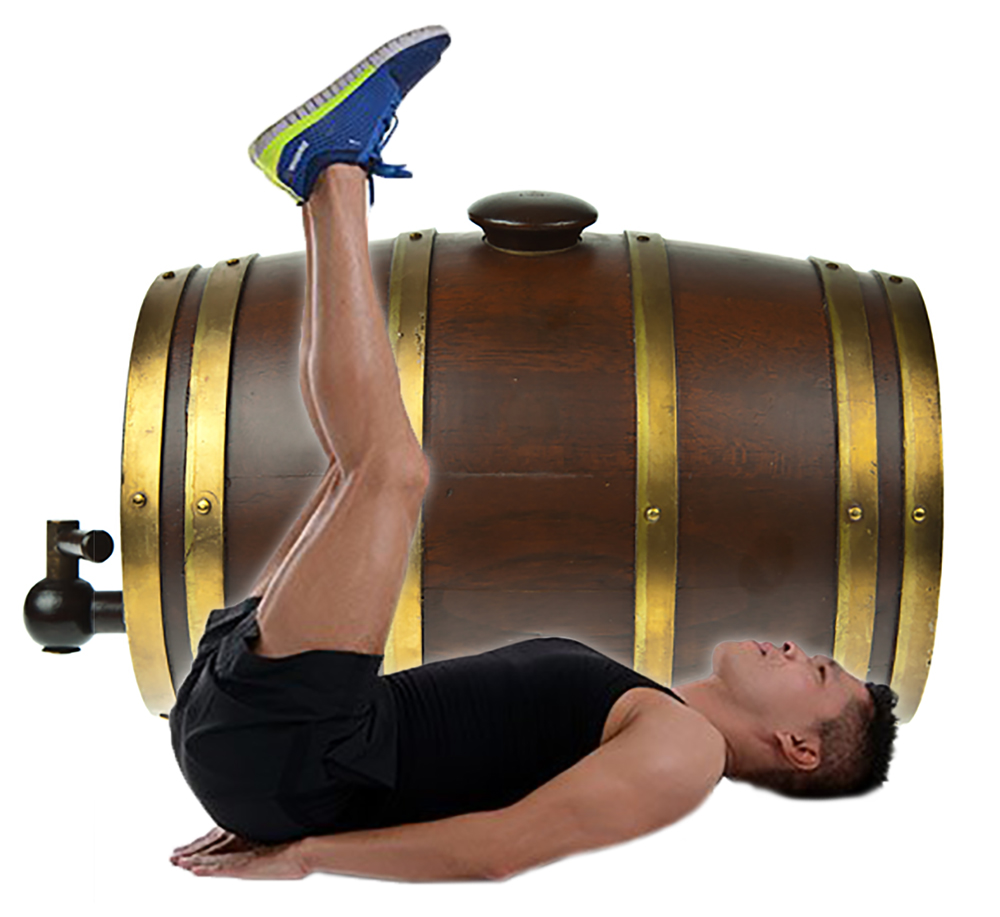
How Exercise Supports Healthy Erections
Healthy erections depend on a combination of efficient blood circulation, responsive nerves, balanced hormones, and good overall health. Exercise positively influences each of these systems, making it one of the most effective lifestyle strategies for supporting erectile function.
Improves Blood Flow and Vascular Health
An erection is fundamentally a vascular event. Sexual stimulation triggers the release of nitric oxide, causing blood vessels within the penis to relax and widen. This allows blood to rapidly fill specialized erectile tissue while restricting blood from flowing back out, creating and maintaining an erection.
Regular aerobic exercise improves circulation throughout the body by strengthening the cardiovascular system and enhancing endothelial function, the ability of blood vessel linings to expand and contract efficiently. Better endothelial health also promotes increased nitric oxide production, which plays a central role in healthy erectile function.
Exercise can also help reduce several conditions that impair circulation, including hypertension, elevated cholesterol, obesity, and insulin resistance. Because many cases of erectile dysfunction are related to vascular disease, improving cardiovascular health often supports better erectile performance as well.
Supports Healthy Testosterone Levels
Testosterone is the primary male sex hormone and plays an essential role in libido, sperm production, muscle development, bone density, mood, and overall sexual function. Although testosterone naturally declines with age, lifestyle factors can significantly influence hormone levels throughout adulthood.
Regular exercise, particularly resistance training and moderate-intensity aerobic activity, helps maintain healthy body composition and supports the endocrine system. Reducing excess body fat is especially important because obesity has been associated with lower testosterone levels and increased inflammation.
Exercise should not be viewed as a replacement for medically indicated Testosterone Therapy in men with clinically diagnosed testosterone deficiency. However, maintaining an active lifestyle may help support healthy hormone regulation and improve overall health outcomes alongside appropriate medical care.
Reduces Stress, Anxiety, and Depression
Sexual function isn’t determined solely by physical health. Psychological well-being has a profound influence on sexual desire, arousal, confidence, and performance.
Stress activates the body’s fight-or-flight response, increasing cortisol levels and making it more difficult to relax during intimate moments. Anxiety may contribute to performance concerns, while depression can reduce libido and diminish overall sexual satisfaction. Certain antidepressant medications may also affect sexual function in some individuals.
Regular physical activity is one of the most effective non-pharmacological strategies for improving mental health. Exercise promotes the release of endorphins, supports healthy serotonin activity, improves sleep quality, and reduces symptoms of anxiety and depression. Many people also experience increased confidence, improved body image, and greater self-esteem as their physical fitness improves, benefits that often extend into their intimate relationships.
Helps Maintain a Healthy Weight
Maintaining a healthy weight is another important component of sexual wellness. Excess body fat contributes to inflammation, insulin resistance, metabolic syndrome, and cardiovascular disease, all of which are recognized risk factors for erectile dysfunction.
Obesity has also been associated with reduced testosterone levels and decreased physical stamina. By supporting weight management and improving overall metabolic health, regular exercise may reduce these contributing factors while enhancing energy levels and physical confidence.
Combined with a balanced diet and other healthy lifestyle habits, exercise provides long-term benefits that extend far beyond sexual performance alone.
Best Types of Exercise for Sexual Health
Not all forms of exercise affect the body in the same way, but a well-rounded fitness routine can provide the greatest benefits for sexual health. Combining cardiovascular exercise, strength training, flexibility training, pelvic muscles exercise, and core stability work helps improve circulation, endurance, flexibility, muscle function, stress management, and overall physical confidence.
The best exercise routine is one that is sustainable and aligns with your fitness level and health goals. Before beginning a new exercise program, especially if you have heart disease, high blood pressure, or other chronic medical conditions, consult your healthcare provider.
Aerobic Exercise
Aerobic or cardiovascular exercise is one of the most well-studied forms of physical activity for improving erectile function and cardiovascular health. Activities such as brisk walking, jogging, cycling, swimming, rowing, or dancing increase heart rate and improve circulation throughout the body.
Because erections depend on healthy blood flow, improving cardiovascular fitness can directly benefit erectile function. Regular aerobic training or cardio exercises has been shown to enhance endothelial function, increase nitric oxide availability, lower blood pressure, improve cholesterol levels, and reduce inflammation, all factors associated with healthier blood vessels.
Many health organizations recommend that adults aim for at least 150 minutes of moderate-intensity aerobic exercise each week, or approximately 30 minutes of activity five days per week. Even modest increases in physical activity can produce measurable improvements in cardiovascular health and overall wellness.
Strength Training
Resistance training complements aerobic exercise by helping build lean muscle mass, improving metabolism, and supporting healthy hormone regulation.
Strength training refers to exercises such as squats, deadlifts, bench presses, rows, and bodyweight movements that challenge multiple muscle groups while improving functional strength. Resistance training may also help maintain healthy testosterone levels, particularly when combined with adequate sleep, proper nutrition, and healthy body composition.
In addition to its physiological benefits, strength training often improves confidence and body image. Feeling stronger and healthier can positively influence self-esteem and reduce some of the psychological barriers that affect intimacy and sexual performance.
Pelvic Floor Exercises (Kegels)
Pelvic floor exercises—commonly known as Kegel exercises—are often associated with women’s health. Still, they can also benefit men just as much, especially those experiencing certain types of sexual dysfunction.
The pelvic floor consists of muscles that support the bladder, bowel, and reproductive organs. One of these muscles, the pubococcygeus (PC) muscle, helps support erectile rigidity and contributes to urinary control and ejaculation; all crucial to a man’s sex life.
Research has shown that pelvic floor muscle training may improve erectile function in some men, particularly when combined with lifestyle changes such as weight loss and regular aerobic workouts. Strengthening these muscles may also help some men improve ejaculatory control and reduce symptoms associated with premature ejaculation.
To identify your pelvic floor muscles, try stopping the flow of urine briefly while urinating.
The muscles used for this action are the ones targeted during Kegel exercises. Once identified, these exercises should be performed when not urinating.
A simple routine includes:
- Tighten your pelvic floor muscles for five to ten seconds.
- Relax completely for five to ten seconds.
- Repeat 10 to 15 times.
- Perform two or three sets daily.
Like any muscle group, improvements occur gradually with consistent practice over several weeks or months.
Core Stability and Functional Movement
A strong core supports posture, balance, flexibility, and movement during everyday activities, including sexual activity.
Exercises that strengthen the core muscles, which include the abdominal muscles, lower back, hips, and glutes, can improve endurance and body control while reducing the risk of injury.
Examples include:
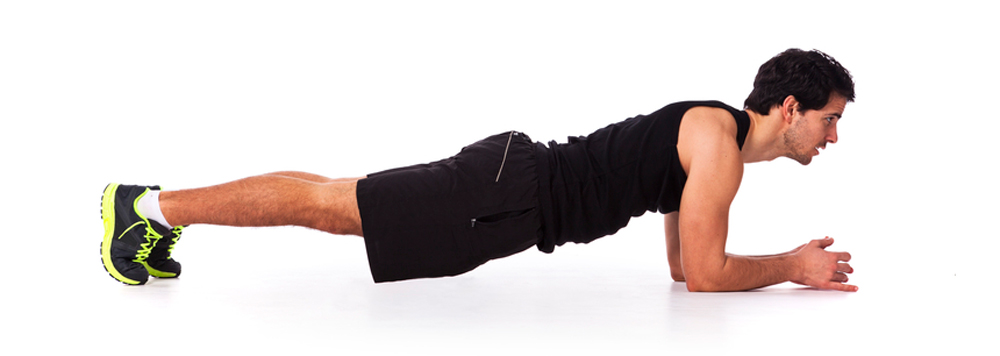
- Side planks
- Front planks
- Bird dogs
- Mountain climbers
- Lunges
- Glute bridges
These core exercises should not be viewed as direct treatments for erectile dysfunction, but they contribute to overall physical fitness, stability, and confidence in your sex life, which may positively influence sexual wellness.

Exercise and Mental Health: An Often Overlooked Connection
Sexual health is influenced by much more than physical fitness alone. Emotional well-being, relationship satisfaction, stress levels, and self-confidence all play important roles in sexual desire and performance.
This is why exercise also offers significant psychological benefits that complement its physical effects.
Regular physical activity has been shown to:
- Reduce symptoms of anxiety and depression
- Improve mood
- Enhance sleep quality
- Increase feelings of accomplishment and self-confidence.
For many individuals, these emotional improvements translate into greater relationship satisfaction and a healthier, more positive outlook on intimacy.
Why Controlling Stress Can Be Key to a Better Sex Life
Stress is one of the most common contributors to temporary erectile difficulties. Chronic stress increases cortisol production, which can interfere with sexual arousal, reduce libido, and make it more difficult to achieve or maintain an erection.
Treatments for Depression and Anxiety Can Affect Sexual Function
Depression and anxiety may also affect sexual function directly. In some cases, medications used to treat depression, particularly certain antidepressants, can contribute to reduced libido, delayed ejaculation, or erectile dysfunction.
Men experiencing these side effects should speak with their healthcare provider before making any changes to their medication regimen.
Can Exercise Improve Premature Ejaculation?
Premature ejaculation (PE) is another common male sexual health concern, affecting men of all ages.
Unlike erectile dysfunction, premature ejaculation is influenced by a combination of physical, neurological, and psychological factors. Anxiety, stress, relationship concerns, pelvic floor muscle function, and certain medical conditions may all contribute.
While exercise alone is not considered a primary treatment for premature ejaculation, regular physical activity may help address several contributing factors.
Aerobic exercise supports overall cardiovascular health and stress reduction, while pelvic floor exercises have shown encouraging results in improving ejaculatory control for some men. By strengthening the muscles involved in ejaculation, pelvic floor muscle training may increase awareness and voluntary control during sexual activity.
Because the causes of premature ejaculation vary from person to person, treatment often requires an individualized approach that may include behavioral techniques, counseling, medication, pelvic floor physical therapy, or other medical interventions.
When Exercise Alone Isn’t Enough
Exercise is one of the most valuable lifestyle habits for supporting long-term sexual health, but it cannot correct every underlying cause of erectile dysfunction or other sexual disorders.
Persistent erectile dysfunction may be associated with conditions such as:
- Cardiovascular disease
- Diabetes
- High blood pressure
- Hormonal imbalances
- Low testosterone
- Neurological disorders
- Medication side effects
- Pelvic injury or surgery
- Peyronie’s disease
- Psychological conditions, including anxiety and depression
Because erectile dysfunction can sometimes be an early indicator of more serious health conditions, ongoing symptoms should never be ignored.
At Boston Medical Group Telemedicine, physicians take a comprehensive approach to evaluating male sexual health. Rather than focusing solely on symptoms, the Boston Method® is designed to identify the underlying factors contributing to erectile dysfunction or other sexual performance concerns.
Depending on each patient’s individual needs, treatment recommendations may include lifestyle modifications, medication-based therapies, testosterone therapy, or other advanced treatment options designed to support sexual rehabilitation and overall wellness.
Seeking a professional evaluation can help identify the most appropriate treatment plan and uncover other health conditions that may benefit from early intervention.
Frequently Asked Questions
Can exercise improve erectile dysfunction?
For many men, yes. Regular exercise improves cardiovascular health, blood flow, endothelial function, and weight management, all of which can contribute to healthier erectile function. However, exercise may not resolve ED caused by hormonal disorders, neurological conditions, medication side effects, or other underlying medical issues.
Which exercises are best for sexual health?
A combination of aerobic exercise, resistance training, pelvic floor (Kegel) exercises, and core strengthening provides the most comprehensive benefits for overall sexual health and physical wellness.
Do Kegel exercises work for men?
Research suggests that pelvic floor muscle training may improve erectile function and help some men with premature ejaculation, particularly when combined with other healthy lifestyle changes.
Does exercise increase testosterone?
Exercise supports healthy hormone regulation and may help maintain healthy testosterone levels, especially when combined with proper nutrition, adequate sleep, and a healthy body weight. However, exercise is not a substitute for medical evaluation or testosterone therapy when clinically indicated.
How much exercise is recommended?
Most adults should aim for at least 150 minutes of moderate-intensity aerobic exercise each week, along with muscle-strengthening activities on two or more days per week.
Supporting Sexual Health Through an Active Lifestyle
Exercise benefits nearly every system involved in healthy sexual function. By improving cardiovascular health, increasing blood flow, supporting healthy hormone regulation, strengthening pelvic floor muscles, reducing stress, and promoting overall wellness, regular physical activity can play an important role in maintaining sexual health and sexual well being throughout life. Physically active adults, including both physically active men and women, often report better sexual function through a consistent exercise regimen, and vigorous exercise in particular has been linked to lower sexual distress and improved self reported sexual function in several studies.
While exercise may reduce the risk of erectile dysfunction and improve many contributing lifestyle factors, persistent sexual health concerns should not be dismissed as a normal part of aging. People who exercise regularly tend to report better sexual health alongside better overall mental health, and physical exercise appears to support female sexual function as much as it does male function, though the underlying mechanisms differ somewhat between the two. Erectile dysfunction and other sexual disorders may signal underlying medical conditions that deserve prompt evaluation and personalized treatment.
If you’re experiencing ongoing concerns with erectile dysfunction, premature ejaculation, or other sexual health issues, the experienced physicians at Boston Medical Group can help identify the underlying cause and develop a treatment plan tailored to your individual needs. Through the Boston Method® and comprehensive treatment options, our goal is to help patients restore confidence, improve sexual function, and achieve better overall health and quality of life.