Call Us!
Hypoglycemia can affect far more than your appetite or energy. When blood sugar falls too low, the body can launch a rapid physiological response affecting the brain, nervous system, heart, muscles, and ability to think clearly. For men who experience recurring episodes, the consequences can spill into exercise, work, driving, relationships, and sexual activity.
Understanding hypoglycemia and men’s health is particularly important for men with diabetes who use insulin or certain glucose-lowering medications. However, diabetes isn’t the only possible cause. Fasting, strenuous exercise, alcohol use, certain medications and illnesses, and less common endocrine disorders can also contribute to low blood glucose.
Sexual health adds another dimension. Hypoglycemia can cause weakness, sweating, shakiness, anxiety, dizziness, confusion, and fatigue, all symptoms that can interfere with intimacy. Meanwhile, diabetes and some of the cardiovascular, neurological, and metabolic conditions associated with glucose problems can also contribute to erectile dysfunction (ED).
That doesn’t mean every episode of low blood sugar causes ED. The relationship is more complex. Understanding those connections can help men recognize warning signs, make safer lifestyle choices, and know when recurring symptoms deserve medical attention.
What Is Hypoglycemia?
Hypoglycemia (rarely spelled as hypoglycaemia) occurs when the concentration of glucose (sugar) in the blood falls too low. Glucose is a primary source of energy for the body’s cells and is especially important for normal brain function.
The exact blood glucose level at which symptoms appear isn’t identical for everyone. A person’s usual blood sugar levels, diabetes treatment, medical history, and history of previous hypoglycemic episodes can all affect the clinical response.
This is also why one glucose number doesn’t tell the entire story. Blood or plasma glucose measurements indicate what is happening at a particular time. In contrast, a hemoglobin A1C test (HbA1c) provides information about average blood glucose over a much longer period (typically, one to two months).
Both can contribute to evaluating glycemic control, but they answer different clinical questions.
How Blood Glucose Normally Works
After you eat carbohydrates, digestion converts many of them into glucose. As glucose enters the bloodstream, the pancreas releases insulin, which helps glucose move from the blood into cells where it can be used or stored.
The liver also plays a major role. It stores glucose and helps release it when additional energy is required, including between meals and during fasting.
When blood sugar starts falling, the body activates counter-regulatory defenses:
- Glucagon signals the liver to increase glucose availability.
- Epinephrine—also known as adrenaline—along with other hormones such as growth hormone, contributes to the body’s hypoglycemia response.
- The kidneys participate in glucose metabolism and medication clearance as well.
It is for this reason that kidney or liver disease can complicate blood glucose regulation in some patients.
What Happens When Blood Sugar Falls Too Low?
As glucose declines, the body doesn’t simply wait until the situation becomes dangerous. It tries to warn you.
Epinephrine contributes to symptoms such as shaking, sweating, anxiety, and a pounding heartbeat. These early warning signals can prompt a person to check and address low blood sugar levels.
If glucose continues falling, however, the brain may not receive enough fuel to function normally. Attention, judgment, coordination, memory, and behavior can deteriorate.
Recognizing hypoglycemia early is therefore important. Waiting until cognitive function is significantly impaired can make it much harder for someone to respond without assistance.
What Are the Symptoms of Hypoglycemia in Men?
Hypoglycemia doesn’t produce precisely the same symptoms in every man. Symptoms can depend on how quickly glucose falls, how low it becomes, a person’s usual blood glucose concentration, medications, and whether recurrent episodes have affected normal warning responses.
Common early symptoms can include:
- Shaking or trembling
- Sweating
- Sudden hunger
- Weakness or fatigue
- Dizziness
- Anxiety or nervousness
- Irritability
- Rapid or pounding heartbeat
- Difficulty concentrating
These symptoms can sometimes be mistaken for exertion, stress, hunger, or even sexual-performance anxiety.
When Low Blood Sugar Starts Affecting the Brain
The brain is particularly vulnerable to insufficient glucose. As it becomes more significant, hypoglycemia symptoms can progress to:
- Confusion
- Poor judgment
- Behavioral changes
- Problems with coordination
- Visual disturbances
- Slower reactions
- Cognitive dysfunction
- Seizures
- Loss of consciousness
These neurological effects are sometimes called neuroglycopenic symptoms because they result from inadequate glucose availability to the brain.
The consequences extend beyond feeling sick. Impaired judgment and coordination can make driving, exercising, operating machinery, climbing stairs, and other everyday activities dangerous.
Severe Hypoglycemia and Hypoglycemic Shock
Severe hypoglycemia generally describes an episode serious enough that the person requires another individual’s assistance.
A man may become profoundly confused, experience a seizure, lose consciousness, or become unable to safely eat or drink. The term hypoglycemic shock is sometimes used to describe an extreme hypoglycemic emergency.
Glucagon may be used for severe hypoglycemia when prescribed and when the person assisting knows how to administer it. Loss of consciousness, seizures, inability to swallow safely, or other severe symptoms require emergency medical attention.
Why Does Hypoglycemia Happen?
For many men, low blood sugar levels occur because the amount of insulin or another glucose-lowering medication active in the body exceeds what is needed relative to available glucose.
But several factors can create that imbalance.
Diabetes, Insulin, and Other Medications
Men with diabetes mellitus who receive insulin treatment can experience hypoglycemia if insulin action, food intake, and physical activity don’t match.
For example, a man may take his normal insulin dose but then:
- Eat fewer carbohydrates than expected
- Skip or delay a meal
- Exercise more than usual
- Drink alcohol without sufficient food
- Become ill
- Experience an unexpected change in his daily routine
Insulin analogues and insulin pumps can provide sophisticated approaches to diabetes management, but they don’t eliminate hypoglycemia risk.
Some non-insulin medications can also cause low blood sugar. Sulfonylureas, for example, stimulate insulin release from the pancreas and can contribute to hypoglycemia in susceptible patients.
This is why glycemic targets should be individualized rather than treating the lowest possible glucose as automatically better.
Exercise, Fasting, and Missed Meals
Physical activity increases glucose use by working muscles. This is normally beneficial, but exercise can create a mismatch between glucose requirements, food intake, and diabetes medication.
Meal timing matters for similar reasons:
- Skipping meals while a glucose-lowering medication remains active can increase hypoglycemia risk.
- Prolonged fasting can also create problems for susceptible individuals.
Carbohydrates directly influence glucose availability, but preventing hypoglycemia isn’t simply a matter of consuming large quantities of sugar. Meal composition, carbohydrate intake, medication, activity, and individual glycemic targets should work together.

Alcohol and Hypoglycemia Can Be a Risky Combination
Alcohol deserves special attention because it can complicate glucose regulation in ways that aren’t always obvious.
Alcohol keeps the liver too busy
The liver helps maintain blood glucose when you aren’t eating. Because it also metabolizes alcohol, drinking can interfere with the liver’s ability to maintain glucose availability under certain circumstances. Risk may become greater when alcohol is combined with fasting, skipped meals, prolonged activity, insulin, or certain diabetes medications.
You Mistake Low Blood Sugar Levels for Being Drunk
Alcohol can also make hypoglycemia harder to recognize. Confusion, drowsiness, poor coordination, and unusual behavior might be blamed on intoxication when falling blood sugar is contributing.
For men prone to hypoglycemia, this may mean cutting back on alcohol, changing drinking habits, or avoiding alcohol altogether, depending on the person’s medication, medical history, and clinician’s advice.
There isn’t one appropriate alcohol limit for every man with hypoglycemia.
Individual guidance is preferable to assuming that a universal amount is safe.
How Repeated Hypoglycemia Can Affect the Brain and Daily Life
One quickly corrected episode isn’t necessarily equivalent to frequent or severe hypoglycemic episodes. Recurring problems raise additional concerns because glucose is so important to normal brain function.
During significant hypoglycemia, attention, memory, judgment, reaction time, and coordination can deteriorate. For a man trying to work, drive, exercise, care for his family, or maintain independence, these effects can become highly disruptive.
Hypoglycemia and Cognitive Function
Researchers have examined brain responses, cerebral blood flow, and neuroimaging findings to better understand how the brain responds when glucose availability changes.
In some populations, particularly people who already have diabetes or other vulnerabilities, recurrent or severe hypoglycemia has been associated in research with:
- cognitive impairment
- cognitive dysfunction
- cognitive decline
Association should not automatically be interpreted as direct causation.
Age, diabetes duration, cardiovascular disease, kidney disease, medications, previous glycemic control, and other medical conditions may influence both cognitive health and hypoglycemia risk.
The immediate effect is clearer: significant hypoglycemia can temporarily impair normal thinking, including concentration, decision-making, and other cognitive processes.
Falls, Accidents, and Loss of Independence
Dizziness, weakness, impaired vision, confusion, and poor coordination create practical safety risks.
Hypoglycemic episodes can contribute to:
- Falls and injuries
- Driving accidents
- Workplace errors
- Exercise-related accidents
- Interrupted sleep
- Missed work or activities
- Greater reliance on partners or relatives
For older men, frailty and sarcopenia can make falls and injuries more consequential.
Fear matters too. A man worried about becoming hypoglycemic while driving, exercising, traveling, sleeping, or being alone may gradually stop doing things he previously enjoyed.
Hypoglycemia, Heart Health, and Cardiovascular Risk
Falling glucose activates counterregulatory responses from the body, mostly in the form of hormones and the sympathetic nervous system.
Epinephrine can increase heart rate and contribute to the pounding or racing heartbeat many people experience during hypoglycemia.
That physiological stress is particularly relevant to men who already have cardiovascular disease, heart disease, high blood pressure, digestive and kidney disease, or autonomic neuropathy.
Severe hypoglycemia has been associated with cardiovascular complications in people with diabetes, while changes in autonomic activity may have implications for cardiac arrhythmia in susceptible individuals.
This doesn’t mean every episode of low blood sugar causes heart disease. Rather, hypoglycemia can impose additional physiological stress in people who may already have cardiovascular vulnerabilities.
That overlap also matters to sexual health because erectile function depends heavily on healthy blood vessels, adequate blood flow, and neurological signaling.
Can Hypoglycemia Affect a Man’s Sex Life?
Yes, although the connection requires some nuance.
Hypoglycemia can interfere with sexual activity during an episode, while conditions associated with recurrent hypoglycemia, particularly diabetes and its complications, can independently affect erectile function, stamina, hormonal health, and sexual confidence.
Low Blood Sugar Can Interrupt Sexual Activity
Sex requires physical exertion, concentration, cardiovascular responses, and neurological coordination. Hypoglycemia can interfere with several of those processes simultaneously.
Shaking, sweating, weakness, dizziness, fatigue, anxiety, or a racing heartbeat can interrupt arousal and shift attention away from intimacy. More substantial hypoglycemia may cause confusion and impaired coordination.
Repeated episodes can also create anticipatory anxiety. If a man begins associating sex with the possibility of becoming hypoglycemic, fear itself may make intimacy more difficult.
Does Hypoglycemia Cause Erectile Dysfunction?
Persistent erectile dysfunction shouldn’t automatically be attributed to hypoglycemia.
An erection depends on coordinated vascular, neurological, hormonal, and psychological processes, which is why:
- Diabetes can affect several of these systems.
- Diabetic neuropathy and autonomic neuropathy can interfere with neurological signaling.
- Cardiovascular disease and high blood pressure can affect vascular function.
- Kidney disease, medication side effects, hormonal abnormalities, stress, and other health problems may further complicate sexual function.
A man can therefore have both hypoglycemia and ED without low glucose being the sole, or even primary, cause of his erectile difficulties.
The more useful question is: What is happening across the man’s metabolic, cardiovascular, neurological, hormonal, and sexual health?
What About Testosterone Levels?
Metabolic and hormonal health are interconnected, but low blood glucose should not automatically be interpreted as evidence of low testosterone.
Diabetes, obesity, chronic disease, medications, sleep problems, and endocrine disorders can all influence a man’s health and may affect testosterone levels in appropriate clinical circumstances.
Men experiencing persistent changes in libido, erectile function, energy, or other symptoms potentially associated with hormonal problems should discuss them with a healthcare professional. Medical tests can determine whether testosterone or another endocrine issue warrants further evaluation.
The Psychological Effects Can Reach the Bedroom Too
Sexual health isn’t purely mechanical.
A man who has experienced severe hypoglycemia may fear another episode during sex.
His partner may become anxious as well, particularly after witnessing confusion, a seizure, or loss of consciousness.
That can produce a difficult cycle:
- Fear reduces spontaneity
- Symptoms interrupt intimacy
- Anxiety affects performance
- Sexual confidence falls
- One or both partners begin avoiding sex
Better glucose management, open communication, appropriate counseling, and evaluation of persistent sexual symptoms can address different parts of that cycle.
How Hypoglycemia Can Change a Man’s Lifestyle
Managing recurrent hypoglycemia may require greater attention to everyday choices. That doesn’t mean eliminating exercise, carbohydrates, social activities, or everything enjoyable.
The objective is to identify personal triggers and reduce preventable episodes.
Food and Meal Timing Become More Important
Skipping or substantially delaying meals can be risky when medication continues lowering blood glucose.
Depending on the individual’s treatment plan, useful precautions may include:
- Coordinating meals with medication
- Understanding carbohydrate portions
- Preparing for fasting
- Keeping an appropriate source of fast-acting carbohydrate available when advised
Repeatedly overcorrecting lows with excessive sugar isn’t a good long-term solution either.
The goal is more stable glycemic control, not repeated swings between extremes.
Exercise Requires Planning, Not Avoidance
Exercise supports cardiovascular, metabolic, and sexual health. Men prone to hypoglycemia generally need a plan for physical activity rather than simply abandoning it.
Depending on treatment, that may include continuous glucose monitoring around exercise, considering meal timing, carrying carbohydrates, and discussing insulin or medication adjustments with the healthcare team.
Changes to insulin medicines or insulin pump settings should be made with appropriate professional guidance rather than through trial and error.
Driving, Work, and Travel May Require Extra Preparation
Hypoglycemia becomes particularly dangerous when impaired judgment or reaction time occurs during safety-sensitive activities.
Men at risk may need ready access to glucose supplies, monitoring equipment, medication, and prescribed glucagon. Partners, relatives, or other trusted people may also need to know how to recognize and respond to severe hypoglycemia.
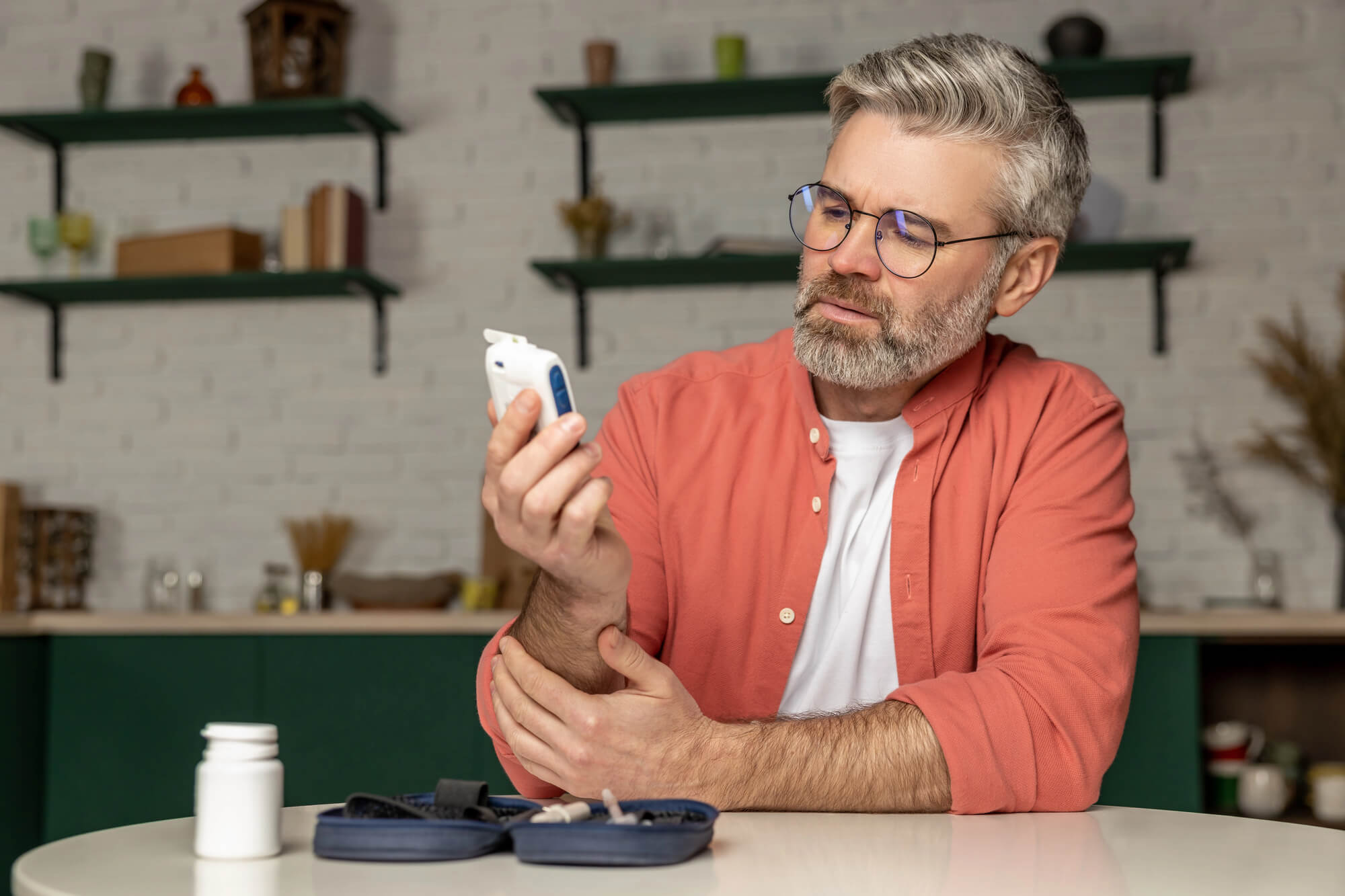
Hypoglycemia Awareness vs. Hypoglycemia Unawareness
Shaking, sweating, hunger, and a rapid heartbeat are unpleasant, but they can provide an important warning that blood sugar is falling, which is hypoglycaemia awareness.
However, some people who experience repeated episodes begin noticing these signals less reliably.
This is called hypoglycemia unawareness, or impaired awareness of hypoglycemia.
Instead of experiencing early warning signs, a person may progress to confusion or impaired judgment before recognizing a problem.
Repeated hypoglycemia can contribute to impaired awareness in some patients, while autonomic neuropathy and other factors may further complicate symptom recognition.
This creates a potentially dangerous cycle: repeated episodes can weaken warning signals, while weaker warning signals make future episodes harder to identify early.
Hypoglycemic unawareness can increase the risk of severe episodes, falls, accidents, seizures, loss of consciousness, and situations requiring another person’s assistance.
Recurrent episodes of hypoglycaemia unawareness should therefore prompt medical reassessment of glycemic targets, medication, insulin treatment, monitoring, and other contributing factors.
Older Men and Men With Chronic Disease May Face Greater Risks
Hypoglycemia can become more complicated when it occurs alongside other chronic conditions.
Older men may have changing nutritional needs, multiple medications, reduced kidney function, cardiovascular disease, cognitive impairment, frailty, or sarcopenia.
- Kidney disease can alter how the body handles some medications, potentially affecting hypoglycemia risk.
- Liver disease can interfere with normal glucose regulation because the liver plays a major role in maintaining glucose availability.
- Cognitive impairment adds another challenge if a man has difficulty remembering medication doses, recognizing symptoms, responding to glucose readings, or explaining what happened.
For these patients, glycemic targets and treatment decisions should take the individual’s overall health and hypoglycemia risk into account.
When Hypoglycemia Isn’t Caused by Diabetes
Recurrent, documented low blood glucose in someone who doesn’t take insulin or another glucose-lowering medication may require investigation for other causes.
These can include organ dysfunction, nutritional problems, medications, surgery-related changes, and less common endocrine conditions.
Insulinoma and Pancreatic Tumors
An insulinoma is a rare pancreatic tumor that produces insulin. Too much insulin can lower blood glucose even when the body doesn’t need additional insulin.
Recurrent fasting hypoglycemia may be one clue that leads clinicians to investigate inappropriate insulin production, although symptoms alone cannot diagnose an insulinoma.
Appropriate medical tests are necessary to establish the cause.
MEN1, MEN2, and Endocrine Conditions
There is an important terminology distinction: in this article, “men” generally means male patients.
In endocrinology, MEN also stands for multiple endocrine neoplasia.
MEN1 can be associated with pancreatic neuroendocrine tumors, including insulin-producing tumors in some patients.
MEN2 is a distinct inherited syndrome associated with alterations in the RET gene and conditions such as medullary thyroid cancer. MEN1 and MEN2 shouldn’t be treated as interchangeable, nor should either be presented as a common explanation for hypoglycemia.
These disorders are uncommon. When clinical or family history raises legitimate concern, an endocrinology evaluation can determine whether specialized testing is warranted.
How Doctors Evaluate Recurrent Hypoglycemia
A central question in evaluating suspected hypoglycemia is whether glucose was actually low when symptoms occurred.
Sweating, dizziness, weakness, anxiety, fatigue, and palpitations have many possible causes. Symptoms alone don’t establish hypoglycemia.
A clinician may review:
- Timing and frequency of symptoms
- Blood or plasma glucose measurements
- Diabetes history
- Insulin and other medications
- Meal and fasting patterns
- Carbohydrate intake
- Exercise
- Alcohol consumption
- Kidney and liver health
- Previous surgery
- Severe episodes or loss of consciousness
- Changes in hypoglycemia awareness
Blood glucose measurements can help document what happens during suspected episodes.
HbA1c, meanwhile, reflects longer-term average glycemic exposure and doesn’t prove whether an individual’s symptomatic event resulted from low glucose.
Additional medical tests or an endocrinology evaluation may be appropriate when episodes don’t have an obvious explanation.
Men should also mention persistent sexual symptoms. Erectile dysfunction occurring alongside diabetes, cardiovascular disease, autonomic neuropathy, medication changes, or glucose instability can provide clinically relevant information.
How Men Can Reduce the Risk of Future Hypoglycemic Episodes
Prevention starts with identifying the cause rather than applying the same solution to every episode.
Depending on the individual, a healthcare professional may review:
- Blood glucose monitoring
- Insulin doses and timing
- Insulin analogues
- Insulin pump settings
- Sulfonylureas and other medications
- Meal timing and carbohydrates
- Exercise patterns
- Alcohol use
- Kidney and liver function
- Glycemic targets
- Access to glucagon
Medication or insulin changes should be made with appropriate medical guidance. Stopping a prescribed medicine because hypoglycemia occurred can create different health risks.
Counseling and diabetes education can help as well, particularly when fear of hypoglycemia begins restricting exercise, travel, sleep, relationships, or sexual activity.
When Does Hypoglycemia Require Emergency Medical Attention?
Severe hypoglycemia can become a medical emergency.
Seek immediate medical assistance when a person:
- Loses consciousness
- Experiences a seizure
- Cannot safely swallow
- Develops severe confusion or abnormal behavior
- Cannot treat the episode without another person’s help
- Has severe or rapidly worsening symptoms
An unconscious person or someone unable to swallow safely should not be forced to eat or drink because of the risk of choking.
When prescribed, glucagon can be used as emergency treatment for severe hypoglycemia. Caregivers and partners should understand how and when to use it.
Recurrent severe episodes also require medical follow-up even when the person appears to recover. Preventing the next emergency requires understanding why the episodes are happening.
Hypoglycemia and Men’s Sexual Health Deserve a Whole-Health Approach
The harmful effects of hypoglycemia can reach far beyond hunger, shakiness, or temporary fatigue.
Low blood sugar can disrupt cognitive function, coordination, cardiovascular responses, exercise, driving, work, and everyday independence. Recurrent episodes may require men to reconsider alcohol consumption, meal timing, fasting, physical activity, medication management, and other parts of daily life.
Sexual health belongs in that conversation.
An acute episode can interfere with sex through weakness, sweating, dizziness, anxiety, confusion, or fatigue. Recurring episodes can undermine sexual confidence and create anxiety for both partners.
Persistent erectile dysfunction, however, deserves a broader medical evaluation. Diabetes mellitus, cardiovascular disease, high blood pressure, autonomic neuropathy, kidney disease, medication side effects, hormonal factors, and psychological stress can overlap with both glucose problems and sexual dysfunction. Low blood sugar should not automatically be blamed.
Boston Medical Group specializes in men’s sexual health and provides individualized approaches to conditions such as erectile dysfunction and premature ejaculation. Its methodology emphasizes evaluating a patient’s medical history and circumstances before developing a personalized treatment strategy.
If recurring blood sugar problems and erectile difficulties are affecting your health, confidence, or sex life, don’t treat them as two unrelated issues. Discuss the complete picture with qualified healthcare professionals so potential underlying causes can be evaluated and an appropriate treatment plan can be developed.