Call Us!
What Is
Erectile Dysfunction?
Erectile Dysfunction (ED) is defined as the inability to achieve and/or maintain an erection sufficient for satisfactory sexual intercourse. While most often associated with older men, Erectile Dysfunction is a common problem for men of all ages. The term impotence was once loosely used to imply the same condition.

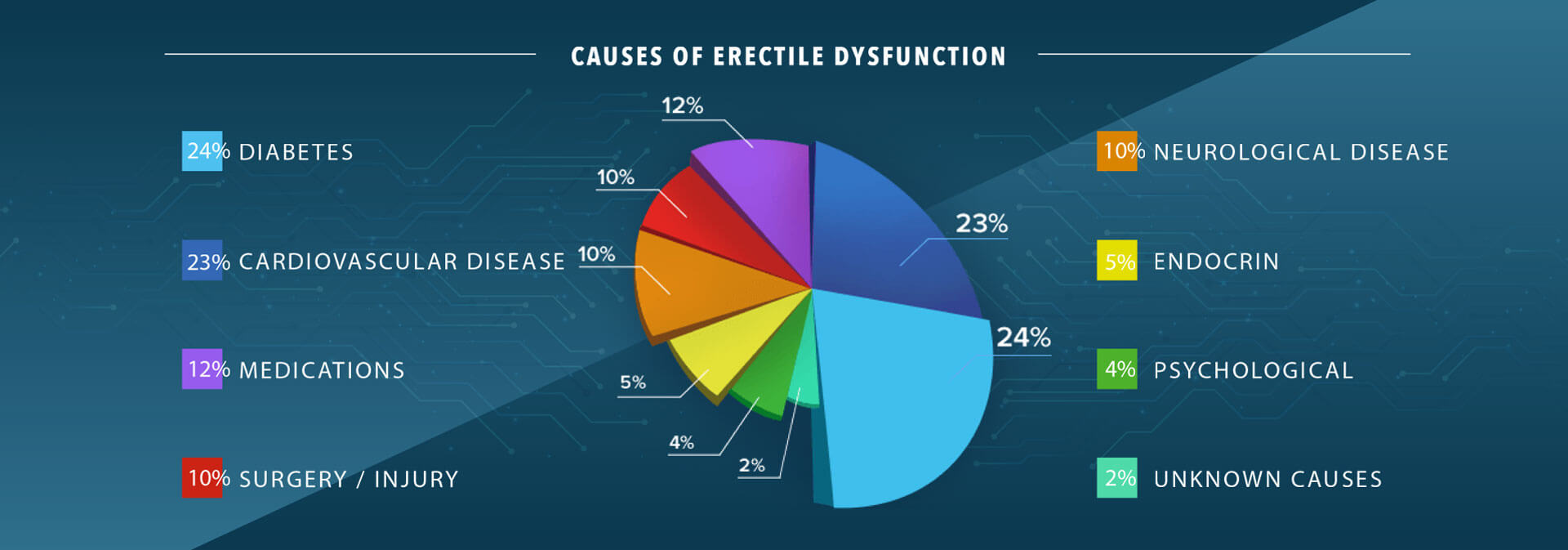
Erectile Dysfunction Causes :
Psychological
Psychological factors account for about 10% of erection problems and often result from nervousness, performance anxiety or fear of failure during lovemaking. These factors cause a surge of adrenaline which reduces blood flow to the penile area, often resulting in erectile difficulty. Psychological ED may become self-perpetuating. After several episodes of repeated failure, the body becomes accustomed to releasing adrenaline at the very thought of a sexual encounter. This can become a vicious cycle difficult to break without help.
Other less common causes include stress, low sexual drive, guilt, anxiety, sexual boredom or depression.

The Characteristics of Psychological Erectile Dysfunction Include:
- The ability to achieve or maintain an erection with one partner but not with another
- The ability to achieve or maintain strong and lasting erections in the mornings and during masturbation but not during lovemaking.
- The tendency to affect younger men with unstable relationships or unsettling past experiences.
Erectile Dysfunction Causes:
Physical
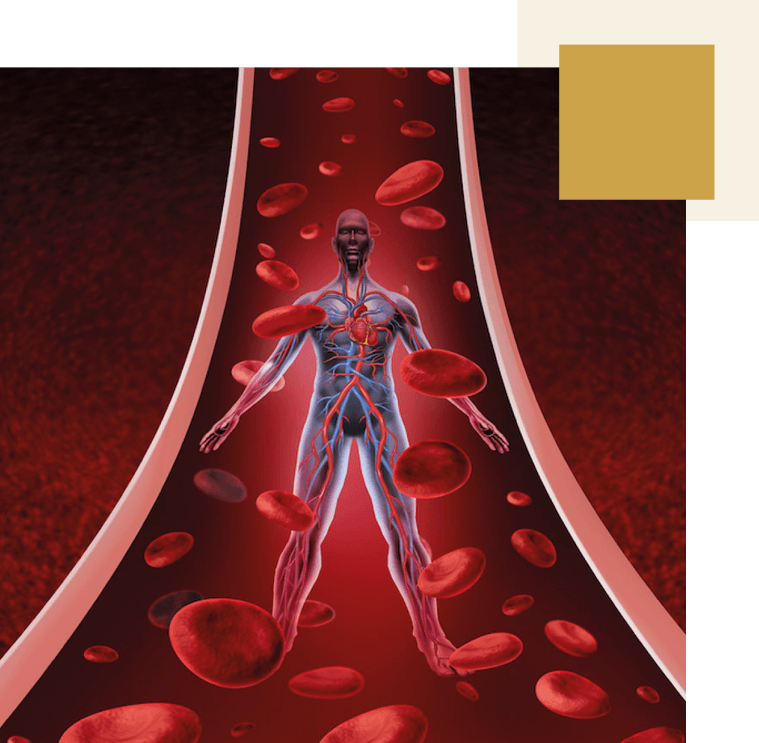
About 90% of cases of ED are caused by physical factors, classified as vascular (related to blood flow) and non-vascular diseases. It is estimated that 70% of all ED cases may be attributable to vascular diseases alone.
The penis requires a healthy blood flow to become completely erect, and even a marginal reduction in blood flow can potentially cause problems.
This condition is referred to as “vascular insufficiency” and is known to be caused by, or associated with, the following risk factors:
- Diabetes
- Cardiac Diseases
- Hypertension
- Smoking
- High Blood
- Cholesterol
Furthermore, research indicates that more than 200 prescription medications can potentially cause, contribute to, or aggravate ED. However, it is imperative that you must not discontinue your medications unless otherwise instructed by your physician.
Other associated physical conditions or causes are less common. These include:
- Hormonal deficiencies caused by testicular disease, liver disease or thyroid problems.
- Neurological problems such as Multiple Sclerosis, Stroke or Parkinson’s disease.
- Trauma to the pelvic area as experienced in certain types of surgery, radiation therapy or automobile accidents resulting in damaged pelvic nerves or arteries.
- Chronic illnesses such as chronic liver disease, chronic renal disease etc.
- Peyronie’s plaque or disease, a peculiar condition of excessive fibrosis in the penile tissue
It is however, not uncommon to see ED in an otherwise completely healthy person, both physically and psychologically. It is postulated that the penile circulation is intrinsically precarious, being an end-artery.
As men age, partial obstructions to the blood flow of the penis may become more common. While this may in inconsequential under normal conditions, it may be enough to cause insufficient blood flow to the penis when sexually aroused.
Erectile Dysfunction’s
Adverse Effects on Daily Life
Erectile dysfunction may cause or exacerbate psychological problems such as poor motivation, feelings of inadequacy, frustration, denial and low self-esteem, and may ultimately lead to depression.
As a result, personal, family and business relationships can be adversely affected if it is left untreated.


The Importance Dysfunction
Proactive Treatments
As with any medical condition, erectile dysfunction is often best treated promptly. The sooner it is diagnosed and treated, the better the outcome, for the following reasons:
First, identifying and correcting the underlying problem often helps prevent further deterioration, a natural progression of the condition.
Second, disuse of an organ can cause progressive loss of function via progressive loss of healthy tissue. This condition is called “disuse atrophy” and is particularly important in the case of penile health.
Third, ED is more than just a sexual problem. A fulfilling sex life can lead to greater satisfaction in many other aspects of life, including social, family and work environments.
If you are looking to improve or restore your sexual health,
talk to a Boston Medical Group Telemedicine physician to see how they can help.